Why Most Silversmithing Classes Fall Short of Expectations
The silversmithing classes landscape is flooded with options that promise to transform complete beginners into skilled artisans in just a weekend workshop. Unfortunately, many adult learners invest hundreds of dollars and precious vacation time only to leave feeling frustrated and underprepared to continue their metalworking journey independently. The problem lies in mismatched expectations between what students hope to achieve and what abbreviated courses can realistically deliver. Quality silversmithing requires developing muscle memory, understanding metal behavior under different conditions, and building a foundation of technical skills that simply cannot be rushed. The most disappointing experiences typically stem from classes that prioritize quick gratification over sustainable skill development, leaving students with a single completed piece but no understanding of the underlying principles that would allow them to replicate or improve upon their work.
Successful silversmithing classes share several key characteristics that distinguish them from superficial craft experiences. First, they provide adequate time for students to practice fundamental techniques repeatedly, recognizing that metalworking skills develop through repetition and gradual refinement. Second, quality programs balance hands-on work with essential theory, explaining why certain techniques work and how different variables affect outcomes. Third, effective instructors demonstrate troubleshooting skills, showing students how to recognize and correct common mistakes rather than simply producing perfect examples. Finally, worthwhile silversmithing classes connect students with ongoing learning resources and communities, acknowledging that a single workshop represents the beginning rather than the completion of a craftsperson’s education. Understanding these distinctions helps adult learners identify programs that will provide lasting value rather than fleeting entertainment.
Evaluating Online Silversmithing Classes vs In-Person Instruction
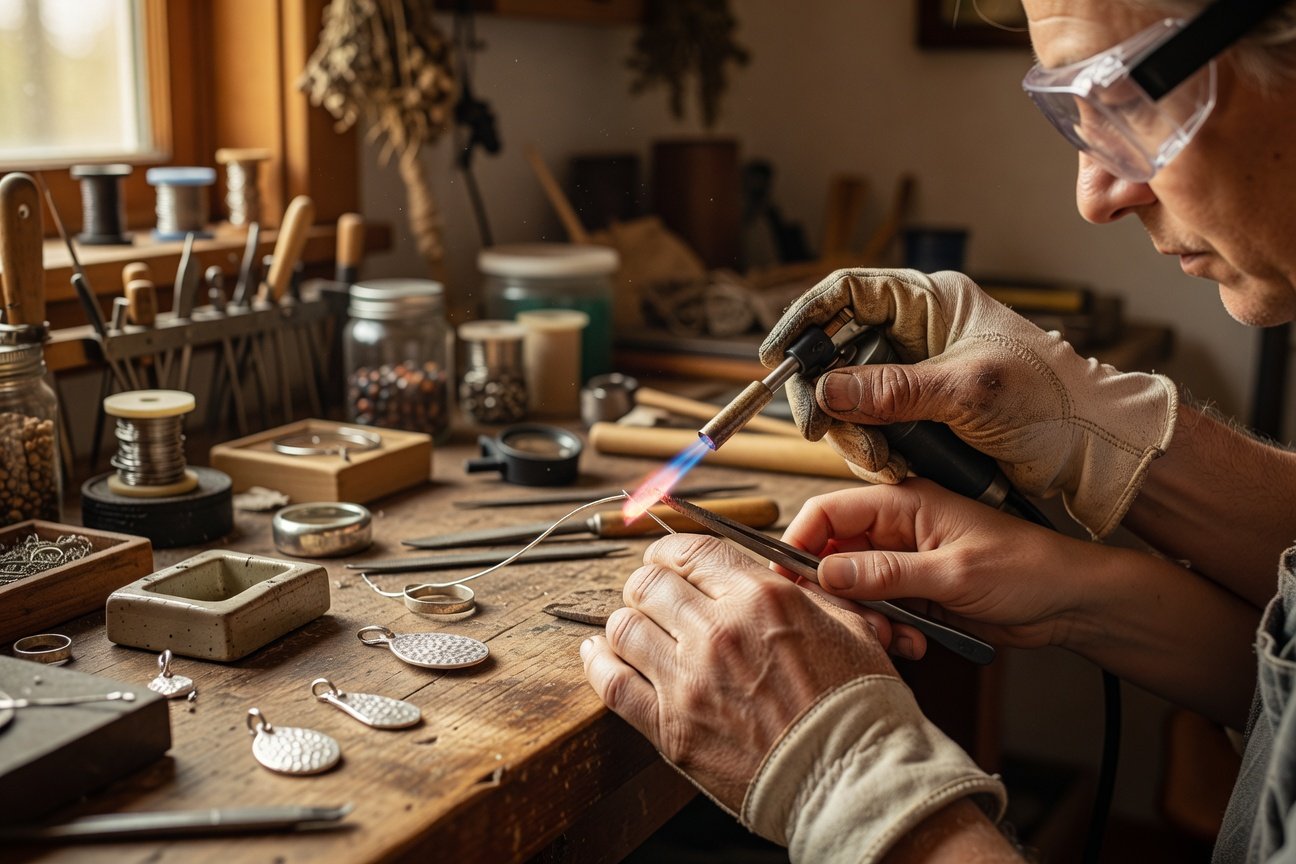
Online silversmithing classes have exploded in popularity, offering convenience and accessibility that traditional workshops cannot match. Platforms like Craftsy and Bluprint provide comprehensive video instruction from renowned metalsmiths, allowing students to learn at their own pace and revisit complex techniques as needed. The best online programs include detailed material lists, troubleshooting guides, and community forums where students can share progress and ask questions. However, online instruction faces inherent limitations when teaching a tactile craft that relies heavily on feel, sound, and immediate feedback. Beginning students often struggle to recognize when their torch flame is properly adjusted, whether their solder is flowing correctly, or if they are applying appropriate pressure during forming techniques. These nuances, which experienced instructors can spot and correct instantly during in-person sessions, become significant obstacles for isolated online learners.
In-person silversmithing classes provide irreplaceable advantages that justify their higher cost and scheduling constraints for serious students. Direct access to professional-grade equipment eliminates the substantial upfront investment required for home studios, while immediate instructor feedback prevents the development of bad habits that can take months to unlearn. The collaborative environment of physical workshops also creates valuable peer learning opportunities, as students observe different approaches to similar challenges and build connections within the local crafting community. However, in-person classes require careful evaluation of instructor qualifications, class size ratios, and studio safety protocols. The most effective programs limit enrollment to ensure adequate individual attention, maintain well-ventilated spaces with proper safety equipment, and provide clear progression pathways for students who want to advance beyond beginner levels.
Hybrid Learning Approaches for Maximum Skill Development
The most successful adult learners often combine online and in-person silversmithing classes to maximize their educational investment. This hybrid approach typically begins with online courses that introduce fundamental concepts, terminology, and basic techniques in a low-pressure environment where students can pause, rewind, and review complex demonstrations. Once students have absorbed theoretical knowledge and attempted basic exercises, they transition to intensive in-person workshops where instructors can refine their technique, address specific challenges, and introduce advanced skills that require hands-on guidance. This progression allows students to arrive at workshops with foundational understanding, making efficient use of expensive instructor time while building confidence through preliminary practice. Many folk schools and community studios now recognize this learning pattern and offer specialized intensive courses designed for students who have completed online prerequisites.
Folk Schools vs Community Studios: Choosing the Right Learning Environment
Folk schools represent the gold standard for immersive silversmithing education, offering multi-day intensives that allow students to develop skills through sustained practice and expert mentorship. Institutions like Penland School of Craft in North Carolina and Haystack Mountain School of Crafts in Maine attract internationally recognized metalsmiths who bring decades of experience to their teaching. These programs typically span five to seven days, providing sufficient time for students to complete multiple projects while exploring different techniques and design approaches. The residential nature of folk school programs creates unique learning advantages, as students can continue working during evening studio hours, engage in informal discussions with instructors outside formal class time, and observe advanced students working on complex projects. However, folk school silversmithing classes require significant time and financial commitments, with tuition, materials, room, and board often exceeding $1,500 for a single week.
Community studios and art centers offer more accessible silversmithing classes that fit into regular work schedules while still providing quality instruction and professional equipment access. These programs typically meet weekly for six to eight sessions, allowing students to practice techniques between classes and gradually build skills over an extended period. The best community studios maintain small class sizes, provide individual bench space for each student, and offer open studio time for independent practice. Many also feature progressive curriculum structures that allow students to advance from basic forming techniques through advanced stone setting and surface treatments. While community studio classes may lack the intensive immersion of folk school programs, they often provide better long-term support for developing craftspeople, including equipment access, ongoing mentorship, and connections to local metalworking communities.
University Extension Programs and Art School Continuing Education
University extension programs and art school continuing education departments offer another valuable avenue for silversmithing classes, particularly for students seeking academic rigor combined with practical instruction. These programs often feature instructors with advanced degrees in metalworking or jewelry design, providing theoretical context that complements hands-on skill development. Class structures typically follow semester or quarter systems, offering sustained engagement that allows for significant skill progression. Many university programs also provide access to advanced equipment like hydraulic presses, rolling mills, and specialized forming tools that would be prohibitively expensive for individual ownership. Additionally, university-based silversmithing classes often include art history components that help students understand their work within broader cultural and artistic contexts, enriching the creative process beyond pure technical instruction.
Red Flags: Silversmithing Classes to Avoid
Several warning signs indicate silversmithing classes that are unlikely to provide lasting value or skill development. Classes that promise complex results in unrealistically short timeframes typically focus on assembly rather than true metalworking skills, leaving students with finished pieces but no understanding of fundamental techniques. Programs that do not provide detailed supply lists or require students to purchase expensive starter kits from specific vendors often prioritize profit over education. Similarly, classes taught in inadequate facilities without proper ventilation, safety equipment, or professional-grade tools create both safety hazards and learning limitations that prevent students from developing proper techniques. Instructors who lack formal training or professional experience in silversmithing may possess enthusiasm but cannot provide the technical expertise necessary for skill development.
Another significant red flag involves classes that do not address safety protocols or environmental considerations inherent in metalworking. Quality silversmithing instruction must include comprehensive safety training covering torch use, chemical handling, ventilation requirements, and emergency procedures. Programs that rush through or minimize these aspects demonstrate inadequate preparation and create dangerous learning environments. Additionally, classes that do not provide clear information about skill prerequisites or expected outcomes often attract students with mismatched expectations, leading to frustration for both beginners and more advanced participants. The most problematic programs combine multiple red flags, offering unrealistic promises in inadequate facilities with unqualified instruction, creating experiences that discourage rather than inspire continued learning.
Investment Considerations: Equipment, Materials, and Time
Understanding the total investment required for silversmithing education extends beyond class tuition to include tools, materials, and time commitments that vary significantly between different learning approaches. Online silversmithing classes require substantial upfront equipment purchases, including torches, soldering surfaces, forming tools, and safety equipment that can easily exceed $500 before adding precious metals and consumable supplies. While this investment provides long-term value for dedicated students, beginners may find themselves overwhelmed by technical setup requirements before they have determined their level of interest in the craft. In-person classes typically include tool and equipment access in their fees, allowing students to experience professional-grade instruments while learning proper usage techniques from qualified instructors.
Material costs represent another significant consideration, as silver prices fluctuate and project requirements vary dramatically between different skill levels and design approaches. Beginning students often benefit from starting with less expensive metals like copper or brass to practice fundamental techniques before progressing to precious metals, but some programs require silver from the first session. Quality silversmithing classes provide transparent information about material costs and offer guidance on purchasing supplies from reputable dealers. Time investment varies equally dramatically between intensive folk school programs that require week-long commitments and community studio classes that spread learning over several months. Students must honestly assess their available time, learning preferences, and long-term goals when selecting programs that will provide the best return on their educational investment.
Building Your Home Studio After Taking Classes
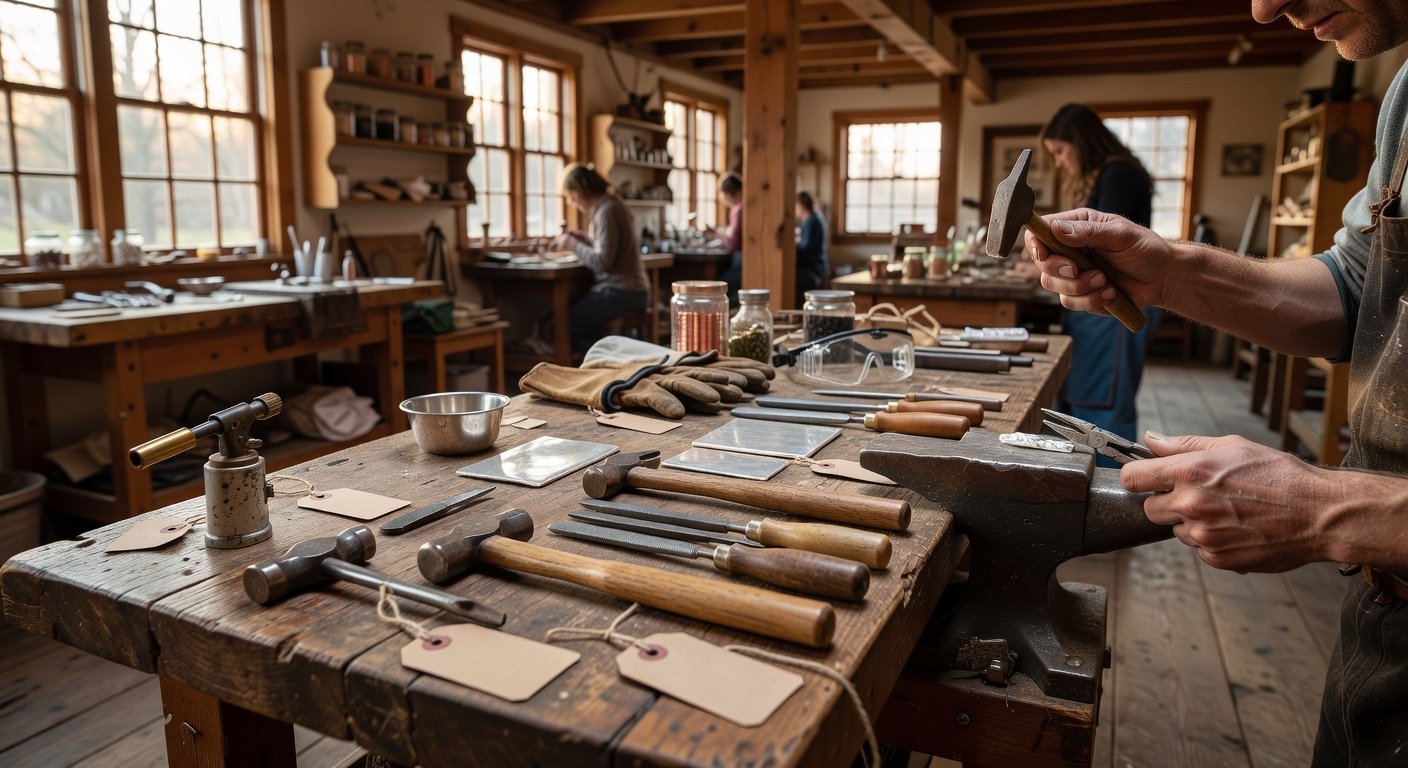
Many students discover that silversmithing classes inspire them to establish home studios for continued practice and creative development. The transition from classroom to independent work requires careful planning and gradual equipment acquisition based on actual usage patterns rather than comprehensive tool catalogs. Starting with essential items like a quality torch, soldering surface, basic forming tools, and safety equipment allows new metalsmiths to continue practicing fundamental techniques while identifying which specialized tools their particular interests require. Amazon offers convenient access to basic silversmithing supplies, though serious practitioners often prefer specialized jewelry supply companies for precious metals and professional-grade equipment. The key to successful home studio development lies in purchasing quality tools gradually as skills develop rather than attempting to replicate complete classroom setups immediately after completing introductory courses.
Frequently Asked Questions
How much should I expect to spend on silversmithing classes?
Silversmithing class costs vary widely based on format and duration. Community studio classes typically range from $150-400 for 6-8 week sessions, while folk school intensives can cost $800-1500 plus room and board. Online courses range from $50-200. Factor in material costs of $50-150 per project depending on metal choice and complexity.
Do I need any experience before taking silversmithing classes?
Most silversmithing classes welcome complete beginners, though some advanced workshops require prerequisite skills. Look for classes specifically labeled as beginner-friendly or introductory level. Basic hand coordination and comfort with small tools are helpful but not required. Many programs start with fundamental techniques like sawing and filing before progressing to torch work.
What’s the difference between silversmithing and jewelry making classes?
Silversmithing focuses specifically on forming and manipulating silver and other metals through traditional techniques like raising, chasing, and repoussé. Jewelry making classes often include silversmithing but may also cover stone setting, wire work, and mixed media approaches. Silversmithing classes typically emphasize metalworking fundamentals more deeply.
Can I learn silversmithing effectively through online classes alone?
Online silversmithing classes provide excellent theoretical foundation and visual instruction, but hands-on guidance is valuable for developing proper technique and safety habits. Many successful students combine online learning with periodic in-person workshops or mentorship for optimal skill development. Pure online learning works best for students with some prior metalworking experience.
How do I know if a silversmithing instructor is qualified?
Look for instructors with formal training from recognized art schools or extensive professional experience as practicing metalsmiths. Check their portfolio, exhibition history, and student testimonials. Qualified instructors should demonstrate both technical expertise and teaching ability, with clear communication about safety protocols and proper technique.
Ready to Begin Your Silversmithing Journey?
Finding the right silversmithing classes requires careful research and honest assessment of your learning goals, schedule, and budget. Whether you choose intensive folk school immersion, ongoing community studio instruction, or hybrid online learning, the key lies in selecting programs that prioritize skill development over quick results. Take time to visit potential studios, speak with instructors, and connect with former students to ensure your educational investment will provide lasting value. Your silversmithing journey begins with that first hammer blow on metal—choose classes that will make every strike count toward building genuine expertise and creative confidence.