Planning Your Vermont Craft Workshop Adventure
Vermont’s artisan community represents one of New England’s most vibrant concentrations of traditional craft expertise, where generations of makers have preserved time-honored techniques while embracing contemporary innovation. The state’s Vermont craft workshops and studios offer immersive experiences that go far beyond simple tourist activities, providing serious makers with opportunities to study under master craftspeople in disciplines ranging from blacksmithing to fiber arts. These workshops typically span multiple days, allowing participants to develop genuine skills rather than create superficial souvenirs. The Green Mountain State’s commitment to craft education stems from its agricultural heritage and the practical necessity of creating durable, functional objects that could withstand harsh New England winters.
When planning your craft-focused Vermont journey, timing becomes crucial for maximizing workshop availability and seasonal experiences. Spring through early fall offers the widest selection of Vermont craft workshops and studios, with many outdoor activities like blacksmithing and timber framing taking advantage of pleasant weather. Winter workshops focus more heavily on indoor disciplines such as pottery, weaving, and jewelry making, though some hardy souls embrace cold-weather activities like ice carving and winter woodworking. The state’s craft calendar peaks during summer months when visiting artisans often offer intensive workshops, and autumn brings harvest-themed activities like natural dyeing with local plants and gourd crafting. Booking accommodations near workshop clusters allows for studio-hopping and reduces travel time between learning experiences.
Southern Vermont’s Artisan Corridor
The Brattleboro and Manchester regions anchor southern Vermont’s concentration of Vermont craft workshops and studios, where historic mill towns have transformed into thriving creative communities. Brattleboro’s Vermont Center for Photography offers intensive workshops in both traditional darkroom techniques and contemporary digital processes, attracting photographers seeking hands-on instruction in a supportive environment. The nearby Retreat Farm hosts fiber arts workshops focusing on sheep-to-shawl processes, where participants can experience the complete textile creation cycle from animal husbandry through spinning, dyeing, and weaving. Manchester’s Hildene estate provides blacksmithing workshops in their restored 1800s forge, teaching traditional ironworking techniques using period-appropriate tools and methods.
Dorset’s marble quarries have fostered a unique stone carving tradition, with several Vermont craft workshops and studios specializing in this demanding medium. The Vermont Marble Museum offers weekend intensives where participants learn to work with local stone using both traditional hand tools and modern pneumatic equipment. Nearby Pawlet hosts the annual Vermont Fiber Arts Festival, featuring workshops in spinning, dyeing, felting, and weaving taught by nationally recognized instructors. The region’s numerous covered bridges and historic buildings provide inspiration for woodworking workshops focusing on traditional joinery techniques, with several studios offering timber framing courses that teach mortise and tenon construction methods used in colonial-era construction.
Pottery and Ceramics Studios
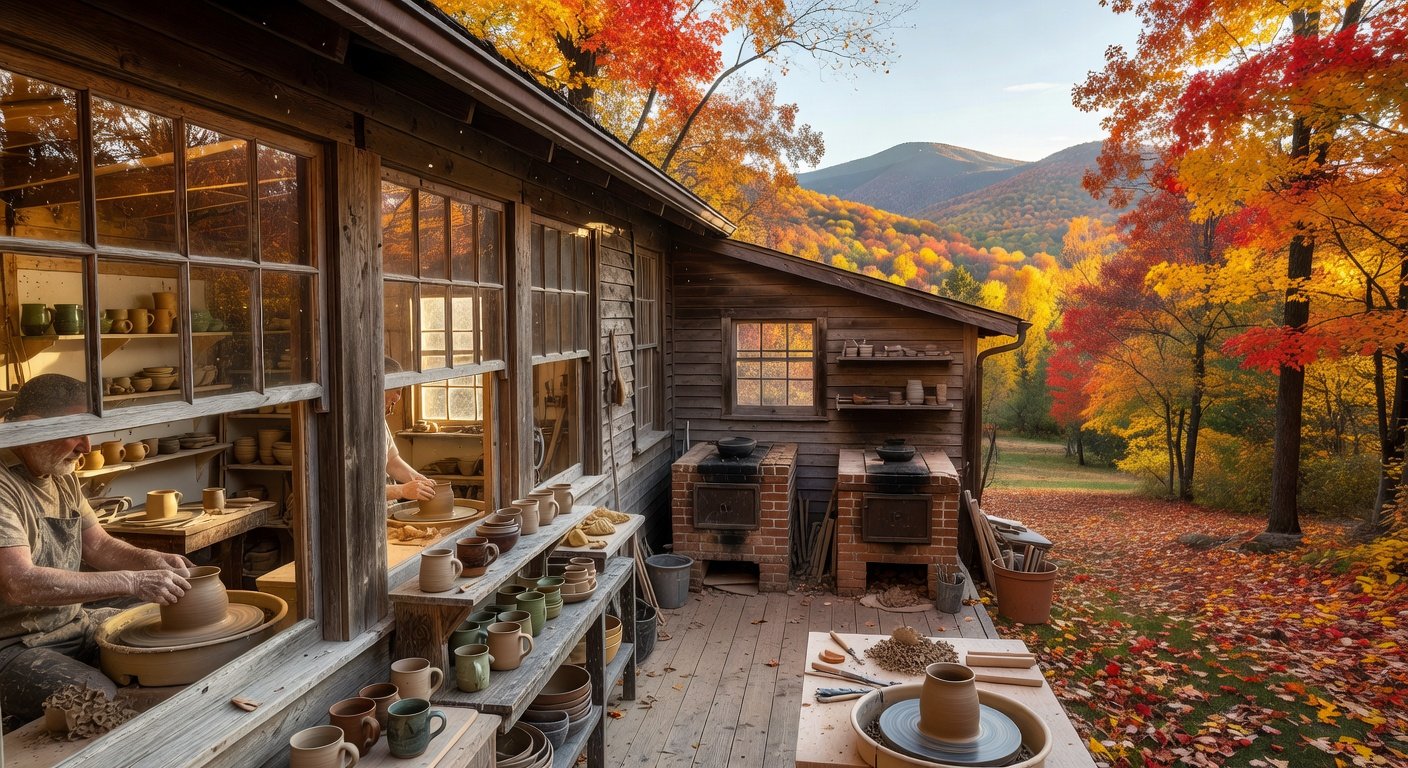
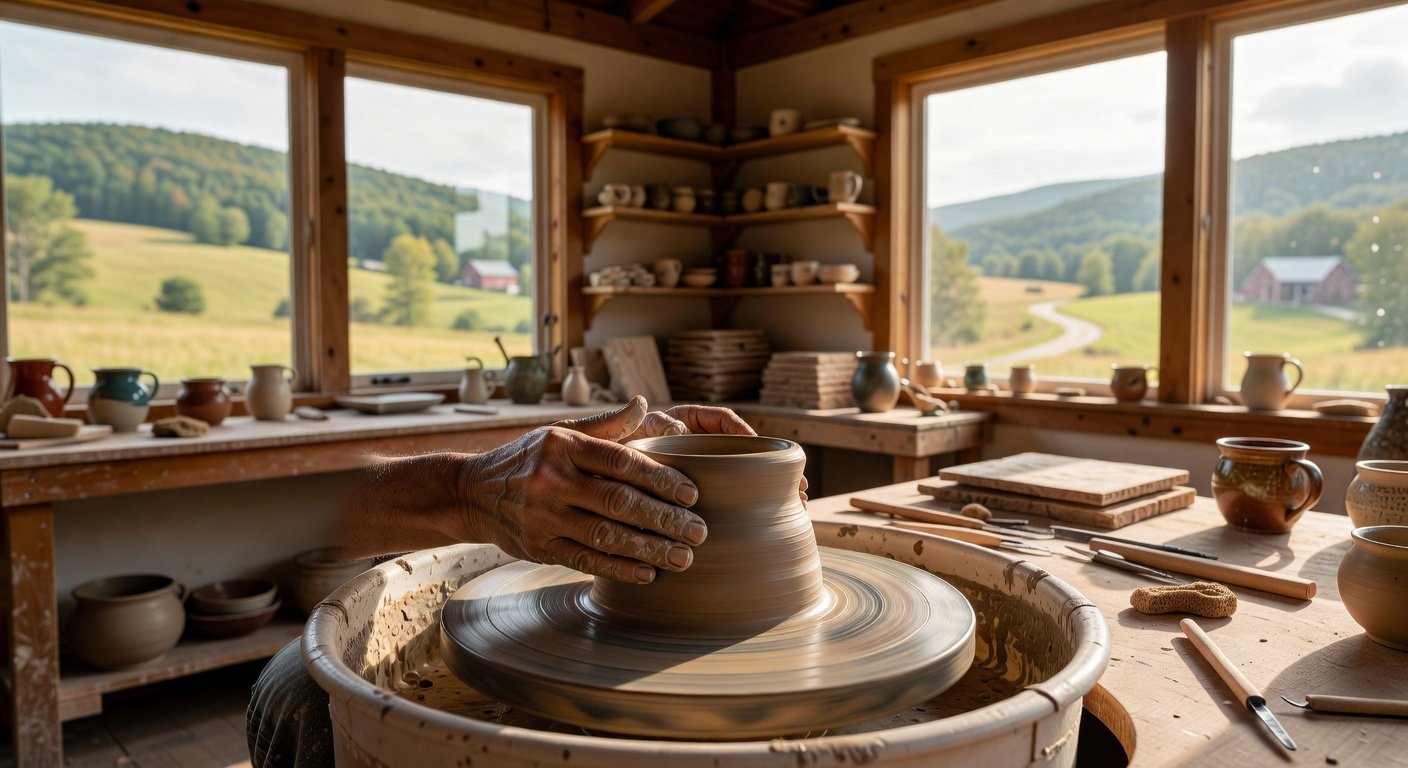
Southern Vermont’s clay community centers around several established Vermont craft workshops and studios that have developed distinctive regional styles influenced by local materials and traditions. The Clay Studio in Brattleboro operates year-round workshops ranging from beginner wheel throwing to advanced glazing techniques, with their wood-fired kiln producing distinctive atmospheric effects prized by serious ceramicists. Participants in multi-day intensives learn to harvest and process local clay, mix glazes using regional minerals, and fire pieces using traditional reduction methods that create unique surface effects. The studio’s emphasis on functional pottery reflects Vermont’s practical aesthetic, where beauty emerges from purposeful design rather than purely decorative elements.
Central Vermont’s Fiber Arts Heritage
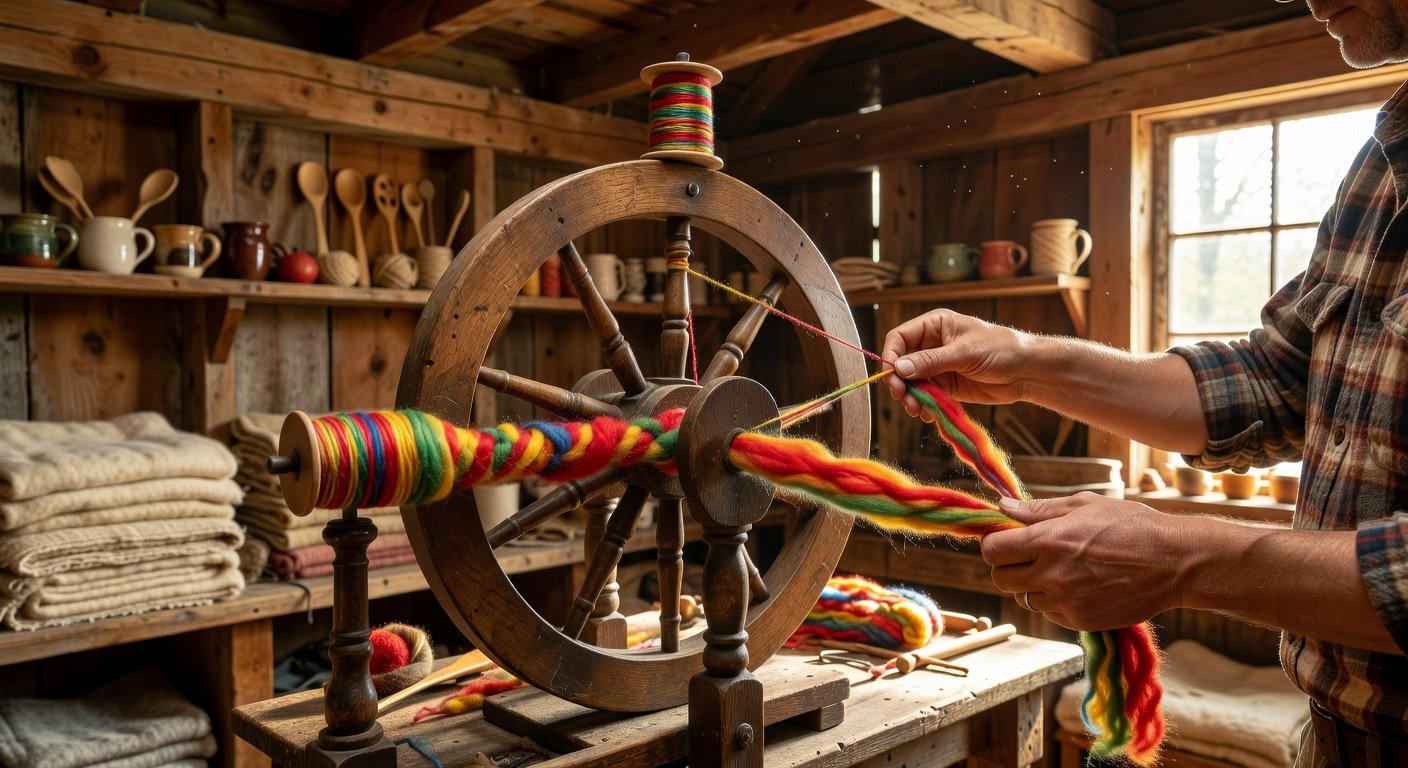
The Montpelier and Barre region represents the heart of Vermont’s textile traditions, where Vermont craft workshops and studios continue centuries-old practices while incorporating contemporary innovations. The Vermont Fiber Mill in Johnson offers comprehensive workshops covering the entire wool processing chain, from raw fleece preparation through carding, spinning, and finishing. Participants work with heritage breed sheep wool, learning to identify fiber characteristics and select appropriate processing techniques for different end uses. The mill’s antique machinery, maintained in working condition, provides authentic experiences in industrial textile production methods that shaped Vermont’s economy during the nineteenth century.
Shelburne Farms operates seasonal Vermont craft workshops and studios focusing on sustainable agriculture and traditional crafts, where participants can experience the integration of farming and making that characterized rural Vermont life. Their sheep-to-shawl program spans multiple seasons, allowing serious students to follow the complete cycle from pasture management through fiber preparation, natural dyeing using farm-grown plants, and traditional weaving techniques. The program emphasizes the connection between land stewardship and craft production, teaching participants to consider environmental impact in their making practices. Weekend intensives focus on specific skills like natural indigo dyeing, kumihimo braiding, and traditional rug hooking using wool processed on-site.
Woodworking and Furniture Making
Central Vermont’s abundant hardwood forests have fostered a rich tradition of fine woodworking, with numerous Vermont craft workshops and studios specializing in furniture making and traditional joinery techniques. The Windsor Institute in Windsor offers intensive courses in traditional Windsor chair making, teaching participants to work entirely with hand tools using techniques unchanged since the eighteenth century. Students learn to select appropriate wood species, shape components using drawknives and spokeshaves, and assemble chairs using only wooden joints and natural materials. The week-long intensives produce functional furniture while preserving endangered traditional skills that require years to master independently.
Northern Vermont’s Metalworking Traditions
The Stowe and Burlington areas host several Vermont craft workshops and studios specializing in metalworking disciplines that range from traditional blacksmithing to contemporary jewelry making. The New England Blacksmithing Association maintains a forge in Stowe where weekend workshops teach fundamental ironworking skills including drawing out, upsetting, bending, and forge welding. Participants create functional items like hooks, hinges, and kitchen utensils while learning to read metal temperature by color and develop the rhythm necessary for effective hammer work. Advanced workshops cover specialized techniques like Damascus steel creation and architectural ironwork that requires precise measurement and fitting.
Burlington’s proximity to Lake Champlain has fostered a maritime metalworking tradition, with Vermont craft workshops and studios offering courses in boat hardware fabrication and marine blacksmithing. The Champlain Maritime Museum hosts workshops where participants create traditional boat fittings using period-appropriate techniques and materials. These intensive courses teach participants to work with bronze, brass, and iron while understanding the specific requirements of marine environments. The workshops emphasize problem-solving skills essential for creating custom hardware when standard commercial options prove inadequate for restoration projects or custom builds.
Jewelry and Silversmithing Studios
Northern Vermont’s jewelry making community combines traditional metalsmithing techniques with contemporary design sensibilities, offering Vermont craft workshops and studios that cater to both beginners and advanced practitioners. The Vermont Studio Center in Johnson provides residency-style workshops where participants can focus intensively on developing personal artistic voices while learning technical skills. The program’s emphasis on critique and artistic development distinguishes it from purely technical instruction, helping participants understand jewelry making as fine art rather than craft production. Students work with precious metals, learning techniques like repoussé, chasing, and granulation that require years of practice to execute with confidence.
Seasonal Workshop Highlights and Festivals
Vermont’s craft calendar follows natural rhythms that influence both material availability and workshop scheduling, with Vermont craft workshops and studios adapting their offerings to seasonal opportunities and limitations. Spring workshops often focus on natural dyeing as plants emerge and provide fresh materials for color extraction, while summer intensives take advantage of extended daylight and comfortable temperatures for outdoor activities like timber framing and stone carving. The Vermont Sheep and Wool Festival in Tunbridge represents the state’s largest gathering of fiber artists, featuring workshops taught by national and international instructors alongside vendor booths showcasing regional products and materials.
Autumn brings harvest-themed Vermont craft workshops and studios that incorporate seasonal materials like gourds, corn husks, and tree fruits into traditional making practices. The Northeast Kingdom’s foliage season coincides with apple harvest, inspiring workshops in traditional coopering techniques for barrel and bucket making. Winter workshops embrace the season’s limitations by focusing on indoor activities that benefit from extended concentrated work periods, including intensive pottery throwing sessions, complex weaving projects, and detailed woodworking that requires careful attention to joinery and finishing. Many studios offer multi-day retreats during winter months, allowing participants to immerse themselves completely in learning without external distractions.
Craft-Friendly Accommodations and Planning
Successful craft-focused travel requires accommodations that support makers’ needs, including secure storage for tools and materials, adequate workspace for practice and reflection, and proximity to Vermont craft workshops and studios. Many Vermont bed and breakfasts cater specifically to craft travelers, offering studio spaces where guests can continue working on projects between formal instruction sessions. The Craftsbury Outdoor Center provides dormitory-style accommodations designed for workshop participants, with communal areas that encourage interaction between makers from different disciplines. Their meal plans accommodate the irregular schedules common during intensive workshops, when creative momentum often extends well beyond normal dining hours.
Planning craft-focused Vermont travel requires balancing workshop schedules with transportation logistics and material considerations. Many Vermont craft workshops and studios provide basic tools and materials, but serious practitioners often prefer working with familiar equipment and may need to arrange shipping for larger items created during extended workshops. Rental cars become essential for reaching rural studios, though some accommodations offer shuttle services during major festivals and events. The state’s craft trail maps, available through Vermont Craft Council, identify studio clusters and suggested routing that minimizes travel time while maximizing exposure to different making traditions and techniques.
Frequently Asked Questions
What should I bring to Vermont craft workshops and studios?
Most workshops provide basic tools and materials, but bring a notebook for techniques, comfortable work clothes, closed-toe shoes, and any personal tools you prefer. Check specific workshop requirements when registering, as some advanced courses expect participants to bring specialized equipment.
How far in advance should I book Vermont craft workshops?
Popular workshops fill 3-6 months ahead, especially summer intensives and those taught by renowned instructors. Book accommodations simultaneously, as craft-friendly lodging near workshop locations can be limited during peak season.
Are Vermont craft workshops suitable for complete beginners?
Many studios offer beginner-friendly workshops, though some require basic skills. Read course descriptions carefully and contact instructors with questions about prerequisite experience. Weekend introductory workshops provide good starting points before committing to longer intensives.
Can I ship completed projects home from Vermont workshops?
Most studios can arrange shipping for finished pieces, especially pottery that needs careful packing. Factor shipping costs into your budget, as handmade items often require specialized packaging and insurance for safe transport.
What’s the best time of year for Vermont craft workshops?
Summer offers the most variety, but each season has advantages. Spring features natural dyeing workshops, summer enables outdoor activities, fall incorporates harvest materials, and winter provides intensive indoor learning opportunities with smaller class sizes.
Ready to Plan Your Vermont Craft Adventure?
Transform your next vacation into a meaningful learning experience by exploring Vermont’s exceptional craft workshops and studios. Whether you’re drawn to traditional pottery, fine woodworking, or textile arts, Vermont’s maker community offers authentic instruction that goes beyond typical tourist activities. Contact us to help plan your craft-focused itinerary, from workshop selection to craft-friendly accommodations that support your creative journey through the Green Mountain State.