Understanding Basketry Weaving Fundamentals
Basketry weaving represents one of humanity’s oldest textile crafts, combining structural engineering with artistic expression. At its core, basketry weaving involves interlacing flexible materials—typically plant-based fibers—to create three-dimensional forms that are both functional and beautiful. Unlike flat weaving on a loom, basketry weaving builds upward from a base, with each row of weft material spiraling or wrapping around vertical warp elements called stakes or spokes. This fundamental difference creates unique possibilities for shaping vessels, containers, and sculptural forms. The craft requires understanding how tension, material flexibility, and weaving patterns work together to create stable, durable baskets that can last generations. Whether you’re drawn to the meditative rhythm of hand-weaving or the satisfaction of creating a functional object, basketry weaving offers accessible entry points for beginners while providing endless complexity for advanced makers.
The relationship between basketry weaving and traditional loom weaving is more nuanced than many assume. While both involve interlacing fibers, basketry weaving typically operates without mechanical support, relying instead on the maker’s hands, body positioning, and understanding of material properties. This tactile, intimate approach connects modern practitioners directly to ancestral traditions practiced across cultures—from Japanese bamboo baskets to Appalachian split-oak forms to Native American cedar and spruce root baskets. Understanding these cultural contexts enriches your practice and honors the lineage of knowledge you’re entering. The fundamental techniques—coiling, plaiting, twining, and wrapping—form the vocabulary of basketry weaving, and most traditional baskets combine multiple techniques within a single piece. Learning basketry weaving means learning to read structure, anticipate how materials will behave, and develop the hand strength and coordination that comes only through consistent practice.
Core Basketry Weaving Techniques
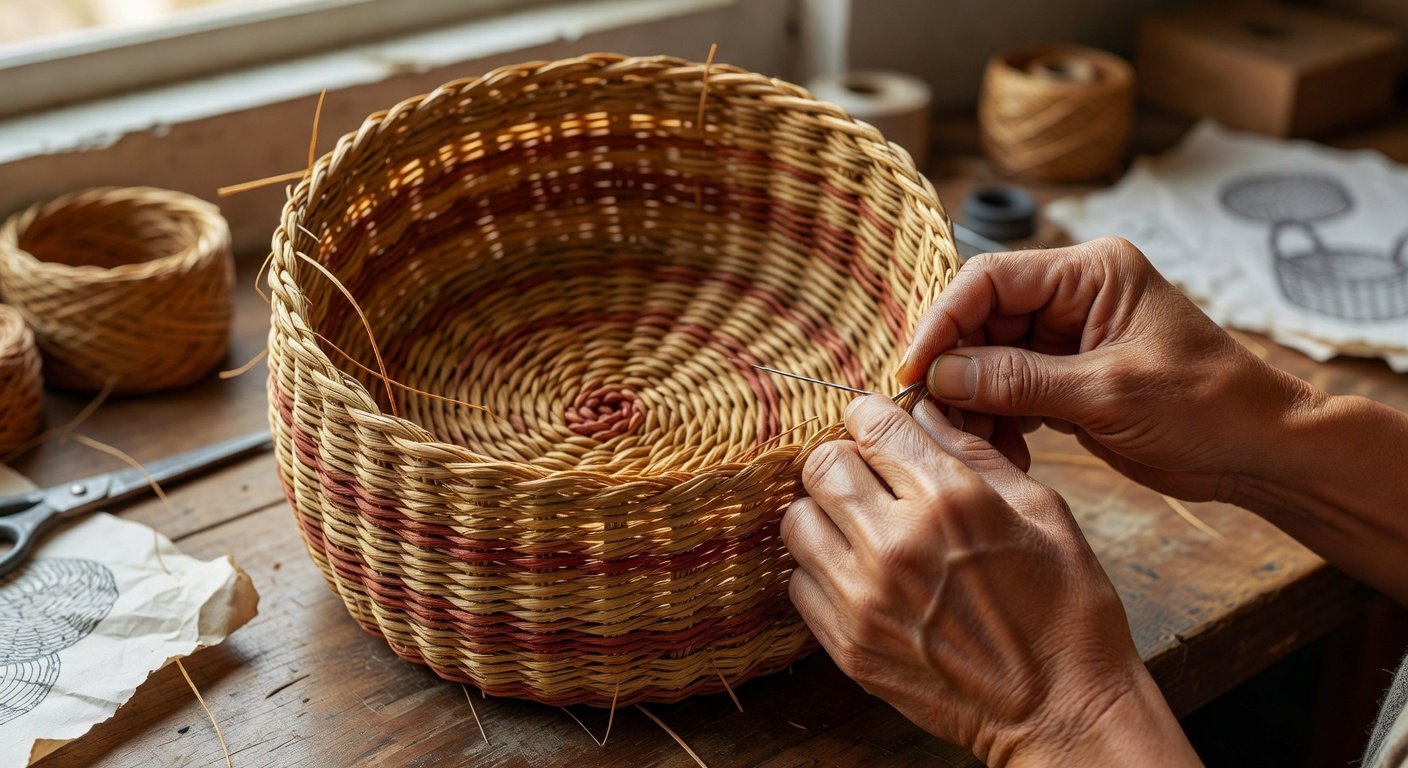
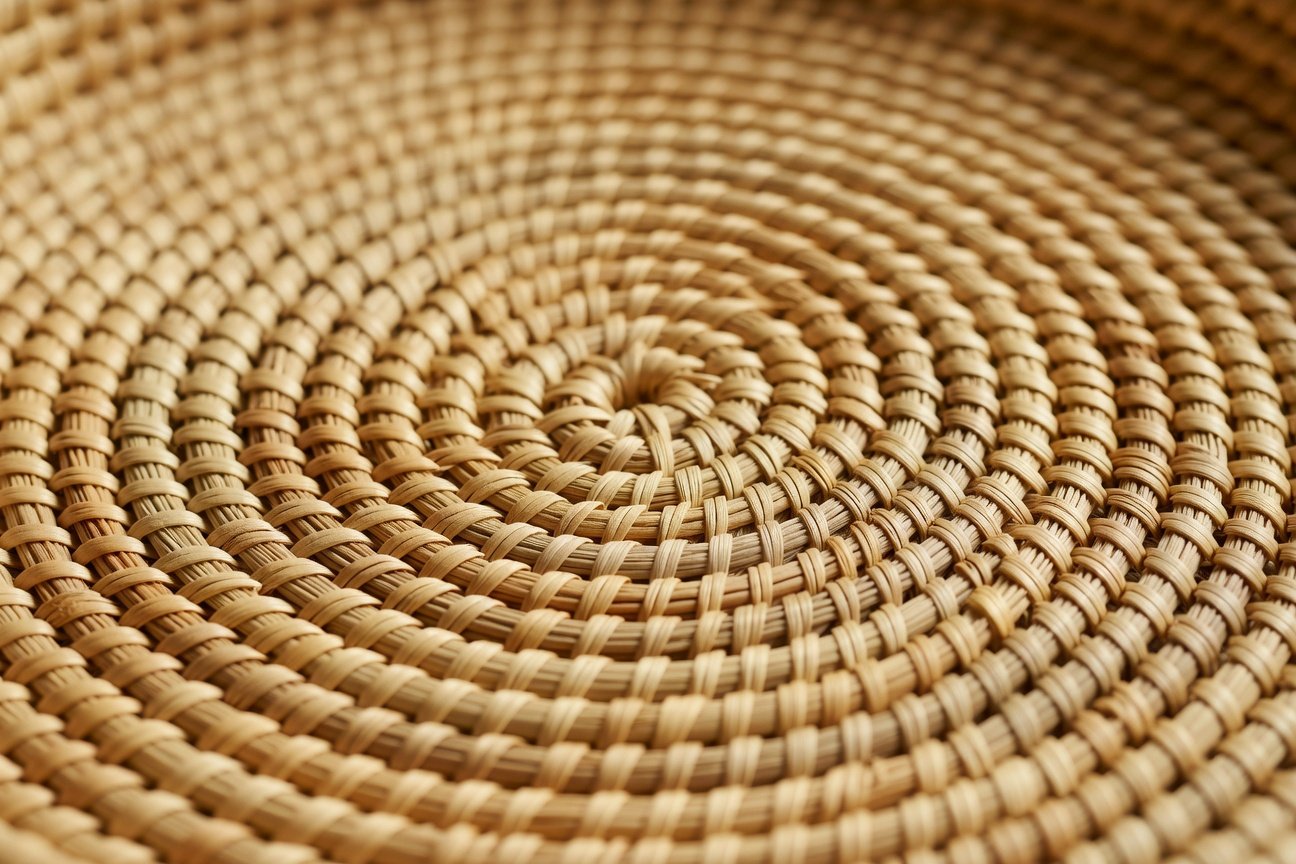
Coiling stands as perhaps the most ancient basketry weaving technique, found in archaeological sites across the globe. In coiling, a continuous spiral of material wraps around itself, with each new coil sewn or stitched to the previous one using needle and thread or thin binding material. This technique creates remarkably strong baskets with smooth, rhythmic surfaces and allows for precise control over shape and diameter. Coiled baskets can be worked from the base upward or from the center outward, depending on your design intent. The meditative quality of coiling appeals to many makers, as the repetitive motion becomes almost hypnotic once you establish rhythm. Coiling works beautifully with materials like raffia, seagrass, and reed, and the binding thread can be decorative, allowing for color patterns and surface embellishment. Many contemporary basketmakers favor coiling for its flexibility in creating organic, sculptural forms that move beyond traditional vessel shapes.
Plaiting and Twining Methods
Plaiting involves weaving three or more strands over and under each other in a consistent pattern, creating the familiar braided appearance seen in many traditional baskets. Unlike coiling’s spiral approach, plaiting builds structure through the interaction of multiple strands moving in coordinated directions. Plaiting creates sturdy, flexible baskets and works particularly well with materials that have natural rigidity, such as cane, reed, or split wood. The technique requires careful attention to tension and pattern consistency, but once established, plaiting moves quickly. Twining, by contrast, uses two or more weft strands that twist around each other as they pass over and under the warp stakes. This creates a structure with inherent tension and stability, making twined baskets exceptionally durable. Twining appears in some of the world’s most sophisticated basketry traditions, particularly in Pacific Northwest Native American baskets and Japanese bamboo forms. Both techniques reward precision and patience, offering satisfying visual results as patterns emerge from your careful work.
Essential Materials for Basketry Weaving
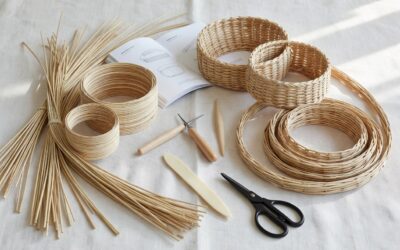
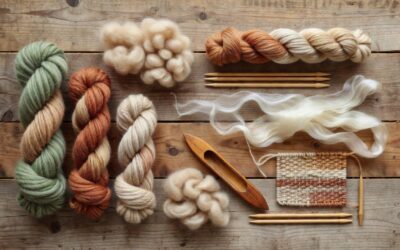
Choosing the right materials fundamentally shapes your basketry weaving experience and determines what forms you can successfully create. Reed—the stripped inner pith of rattan cane—stands as the most accessible material for beginners, offering consistent quality, predictable behavior, and availability through craft suppliers like JOANN Stores and online retailers. Reed comes in various widths, from fine #0 to thick #12, allowing you to match material to your design. Raffia, derived from palm leaves, provides a softer, more flexible alternative that works beautifully for coiling and creates a distinctly different aesthetic. Seagrass offers natural texture and earthy appeal, though it requires careful handling to prevent splitting. For those seeking deeper engagement with traditional techniques, natural materials like willow, ash, oak, and hickory demand more skill but reward practitioners with superior durability and connection to historical practice. These natural materials require harvesting or sourcing from specialty suppliers, often necessitating advance planning and higher investment.
Selecting Materials by Technique and Project
Your choice of material should align with your chosen technique and intended basket function. Coiling works best with flexible materials that accept needle and thread easily—raffia, seagrass, and fine reed excel here. Plaiting and twining demand materials with more inherent structure and rigidity; cane, reed, and split wood perform optimally. Consider the finished basket’s purpose: functional kitchen baskets benefit from sturdy reed or natural materials, while decorative pieces offer freedom to experiment with texture and color. Material preparation significantly impacts your success. Reed requires soaking in water to achieve workable flexibility; timing matters, as over-soaked reed becomes mushy while under-soaked reed cracks. Natural materials like willow demand even more preparation, often requiring specific harvesting seasons and curing periods. Many craft workshops and folk schools, particularly those in New England’s strong basketry tradition, teach proper material preparation as foundational knowledge. Starting with pre-prepared materials from established suppliers removes barriers and lets you focus on technique development before advancing to raw material processing.
Choosing Your First Basketry Weaving Style
Selecting your first basketry weaving style requires honest assessment of your interests, available time, and learning preferences. If you value meditative, repetitive motion and enjoy working with soft, forgiving materials, coiling offers immediate gratification and quick visible progress. Beginners often complete their first coiled basket in a few hours, building confidence rapidly. Plaiting appeals to those who enjoy geometric patterns and appreciate the mathematical precision underlying basket structure. The learning curve for plaiting is steeper than coiling, but the visual results—clean lines, clear patterns, structural integrity—satisfy makers who think visually and strategically. Twining occupies middle ground, offering more complexity than coiling but less pattern-intensive than plaiting. Many experienced makers recommend starting with one technique, mastering its fundamentals, then exploring others. This focused approach builds genuine skill rather than surface familiarity. Consider also whether you’re drawn to functional baskets—storage vessels, market baskets, work baskets—or sculptural exploration. Functional baskets teach you about proportion, structural stability, and practical design. Sculptural work encourages experimentation with form and pushes technical boundaries.
Beginner-Friendly Starting Points
For absolute beginners, coiled baskets using raffia or pre-prepared seagrass represent the most forgiving entry point. These materials are inexpensive, readily available from craft suppliers, and require minimal preparation. A simple coiled basket project—perhaps a small bowl or decorative vessel—introduces you to fundamental skills: maintaining consistent coil diameter, managing tension in binding thread, and shaping through deliberate coil placement. Many craft workshops offer introductory coiling classes where you’ll complete a finished basket in a single session, providing immediate success and motivation for deeper study. If you prefer structure and pattern, beginner plaiting projects using pre-cut reed strips eliminate the intimidation of material preparation. Kits available through craft retailers provide everything needed for your first project, reducing decision-making and ensuring material compatibility. However, I’d encourage moving beyond kits relatively quickly—working with whole materials and making your own decisions about dimensions, colors, and design develops genuine skill. Consider taking a weekend workshop at a folk school or craft center; hands-on instruction from experienced makers accelerates learning dramatically and connects you to community.
Building Your Basketry Weaving Practice
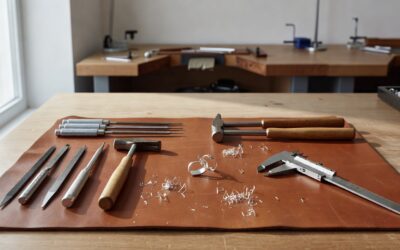
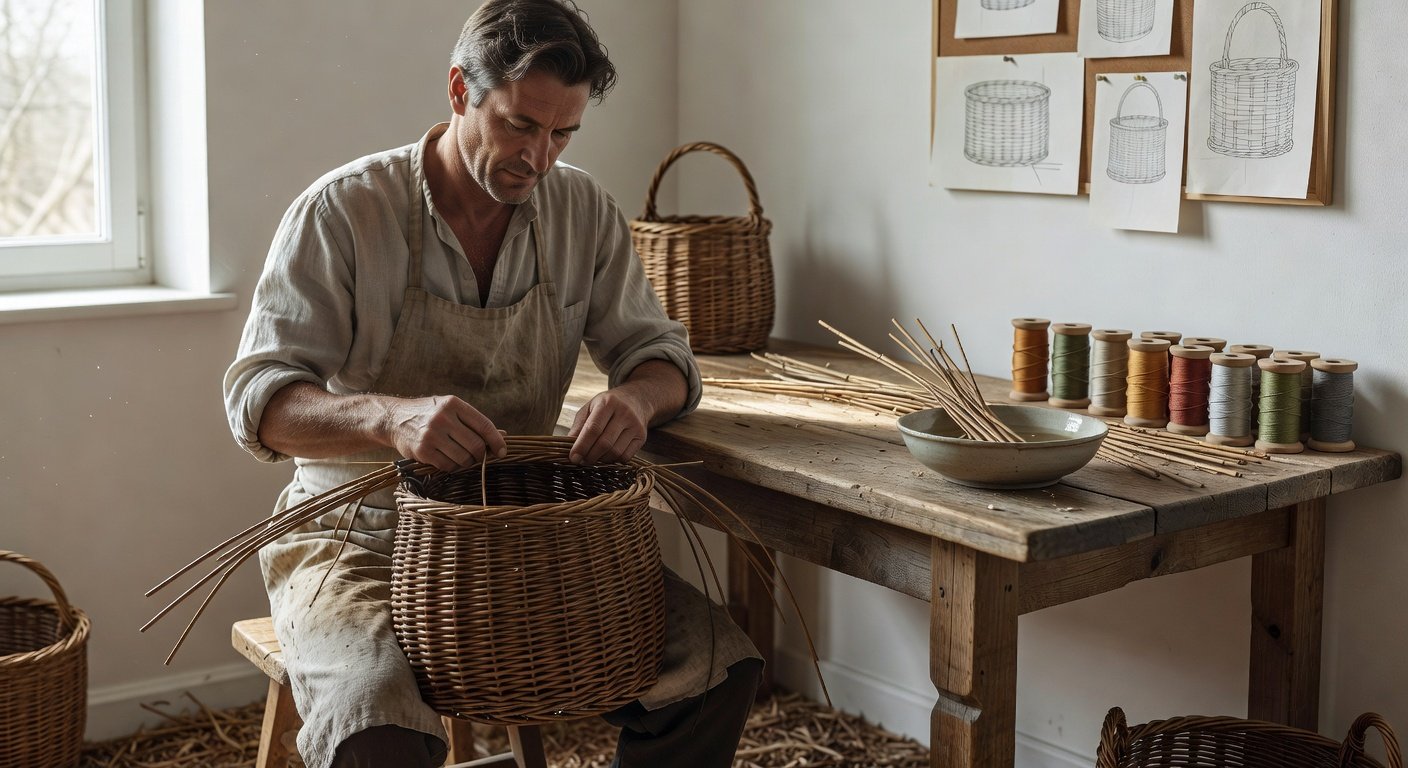
Developing genuine basketry weaving skill requires consistent practice and intentional progression. Begin with simple forms—small bowls, shallow trays, basic vessels—before attempting complex shapes or large-scale work. Each project teaches specific lessons about material behavior, tension management, and structural principles. Keep detailed notes about your work: material used, preparation methods, time invested, challenges encountered, and solutions discovered. This documentation becomes invaluable as you develop your practice and helps you troubleshoot future projects. Invest in quality tools appropriate to your chosen technique. For coiling, you’ll need a needle suited to your binding material and thread in colors that appeal to you. Plaiting and twining require minimal tools—perhaps a weaving shuttle or bobbin to manage multiple strands—but good lighting and a comfortable work surface matter tremendously. Many experienced basketmakers work seated, with the basket held between their knees or in a specialized basket stand. Experiment to find positioning that minimizes hand and wrist strain during extended sessions. Your physical comfort directly impacts the quality of your work and your enjoyment of the craft.
Learning from Tradition and Contemporary Practice
Basketry weaving exists at the intersection of ancient tradition and contemporary artistic practice. Studying historical baskets—through museum collections, books, and cultural documentation—reveals the sophistication and diversity of basketry traditions worldwide. Understanding how different cultures solved structural problems, created patterns, and adapted materials to local resources enriches your own creative possibilities. Contemporary basketmakers build on these traditions while pushing into new territory, exploring sculptural forms, unconventional materials, and hybrid techniques. Seeking instruction from experienced makers accelerates your learning exponentially. Folk schools throughout New England and beyond offer multi-day intensive workshops where you’ll work alongside instructors and fellow students in immersive settings. These experiences provide not only technical instruction but also connection to a broader community of makers who share your passion. Online resources, instructional videos, and books supplement in-person learning but cannot fully replace hands-on guidance. An instructor can observe your hand position, material tension, and problem-solving approach, offering corrections that prevent the development of limiting habits. This mentorship aspect of craft education carries tremendous value.
Common Challenges and Solutions in Basketry Weaving
Even experienced basketmakers encounter challenges that test their problem-solving abilities. Uneven tension—where some portions of your basket feel tight while others feel loose—creates structural weakness and visual inconsistency. This typically results from varying hand pressure as you work; awareness and deliberate practice gradually resolve it. If your coiled basket begins spiraling outward unexpectedly, you’ve likely placed coils at inconsistent angles relative to the previous row. Adjusting your hand position and consciously maintaining coil angle corrects this. Material splitting or fraying frustrates many beginners; this usually indicates either over-dried material or excessive tension during weaving. Proper material preparation and gradual tension adjustment resolve most splitting issues. If your basket leans or feels unstable, the problem likely lies in your base construction. Spending extra time establishing a solid, level base prevents cascading problems throughout the project. Many mistakes teach valuable lessons, so approach challenges with curiosity rather than frustration. Experienced makers often deliberately introduce variations or repairs into their work, creating unique character that distinguishes handmade baskets from industrial products. Your imperfections become part of your basket’s story and authenticity.
Resources for Deepening Your Basketry Weaving Knowledge
Quality instruction and materials significantly impact your basketry weaving journey. Seek out workshops and classes at established folk schools and craft centers, particularly those with strong regional traditions. Many institutions offer both introductory sessions for curious beginners and advanced intensives for experienced makers. The Craft Center at Penland School of Craft in North Carolina, Haystack Mountain School of Crafts in Maine, and numerous Vermont-based workshops maintain exceptional basketry programs taught by master practitioners. These immersive experiences often catalyze deeper commitment to the craft. For material sourcing, established suppliers like JOANN Stores offer convenient access to reed, raffia, and basic supplies. Specialty suppliers focus on natural materials and harder-to-find options; researching suppliers who prioritize sustainable harvesting and fair-trade practices aligns your craft with your values. Books remain essential resources; seek titles that address your specific interests, whether historical context, technical instruction, or contemporary artistic practice. Building a reference library of basketry books creates ongoing learning resources you’ll return to repeatedly. Online communities of basketmakers offer peer support, inspiration, and practical advice, though nothing fully replaces the tactile learning and community connection of in-person instruction.
Frequently Asked Questions
What is the difference between basketry weaving and regular weaving?
Basketry weaving creates three-dimensional forms without a loom, building upward from a base with materials interlaced around vertical stakes. Regular loom weaving produces flat fabric by interlacing horizontal and vertical threads on a mechanical frame. Basketry relies on hand control and material properties, while loom weaving depends on mechanical tension and structure.
What materials are best for a beginner basketry weaver?
Reed and raffia offer the most forgiving introduction to basketry weaving. Both materials are affordable, readily available from craft suppliers, require minimal preparation, and work well with beginner-friendly techniques like coiling. Pre-prepared materials eliminate intimidation and let you focus on developing fundamental skills before advancing to raw materials.
How long does it take to learn basketry weaving?
You can complete your first simple coiled basket in a few hours, providing immediate success. However, developing genuine skill—understanding material properties, achieving consistent tension, and creating complex forms—requires months of consistent practice. Most makers spend 6-12 months before feeling confident with their chosen technique.
Do I need special tools to start basketry weaving?
Basketry weaving requires minimal tools. Coiling needs a needle and thread; plaiting and twining need little beyond your hands. Quality tools matter less than proper material preparation, good lighting, and a comfortable work position. As your practice deepens, you may invest in specialized tools, but beginners can start with basic supplies.
Can I learn basketry weaving from books and videos alone?
While books and videos provide valuable instruction, hands-on guidance from experienced makers accelerates learning dramatically. An instructor observes your technique, corrects limiting habits early, and provides personalized problem-solving. Many serious practitioners recommend at least one in-person workshop to establish proper foundations before advancing independently.
Ready to Begin Your Basketry Weaving Journey?
Basketry weaving invites you into a tradition practiced across cultures and centuries, offering both meditative practice and tangible creative results. Whether you’re drawn to the rhythmic motion of coiling, the geometric precision of plaiting, or the structural elegance of twining, your first basket awaits. Consider starting with a beginner kit featuring pre-prepared materials, or better yet, invest in a weekend workshop at a local craft center or folk school where you’ll learn from experienced instructors and connect with fellow makers. The combination of quality instruction, appropriate materials, and consistent practice transforms basketry from an intriguing idea into a genuine skill you’ll develop for years to come. Reach out to explore our workshop offerings or connect with instructors who can guide your learning journey.