Understanding Japanese Basketry as a Living Craft Tradition
Japanese basketry represents one of the world’s most refined fiber-working traditions, with roots extending back over a thousand years. Unlike the splint basketry prevalent in Appalachia or the coiled baskets of New England, Japanese techniques emphasize mathematical precision, material sensitivity, and a philosophical approach to form and function. The craft encompasses multiple distinct methods—from bamboo framework construction to intricate weaving patterns—each requiring years of dedicated practice to master. Japanese basketry artisans view their work not merely as functional containers but as expressions of aesthetic principles rooted in Zen Buddhism and the Japanese concept of *wabi-sabi*, which celebrates imperfection and impermanence. This philosophical foundation distinguishes Japanese basketry from purely utilitarian Western traditions, creating a unique learning opportunity for serious adult craftspeople seeking depth and cultural authenticity in their practice.
The resurgence of interest in Japanese basketry within North American craft communities reflects a broader appreciation for hand-skills and cultural exchange. Contemporary makers recognize that studying Japanese techniques expands their technical vocabulary and deepens their understanding of how different cultures approach similar problems—containment, structure, and beauty. Many American craft schools and folk institutions now offer Japanese basketry instruction alongside their traditional regional offerings, acknowledging that serious makers benefit from exposure to multiple traditions. This democratization of access means that committed students no longer need to travel to Japan to study under master artisans; quality instruction is increasingly available across the United States, particularly in established craft education centers.
Core Japanese Basketry Techniques and Methods
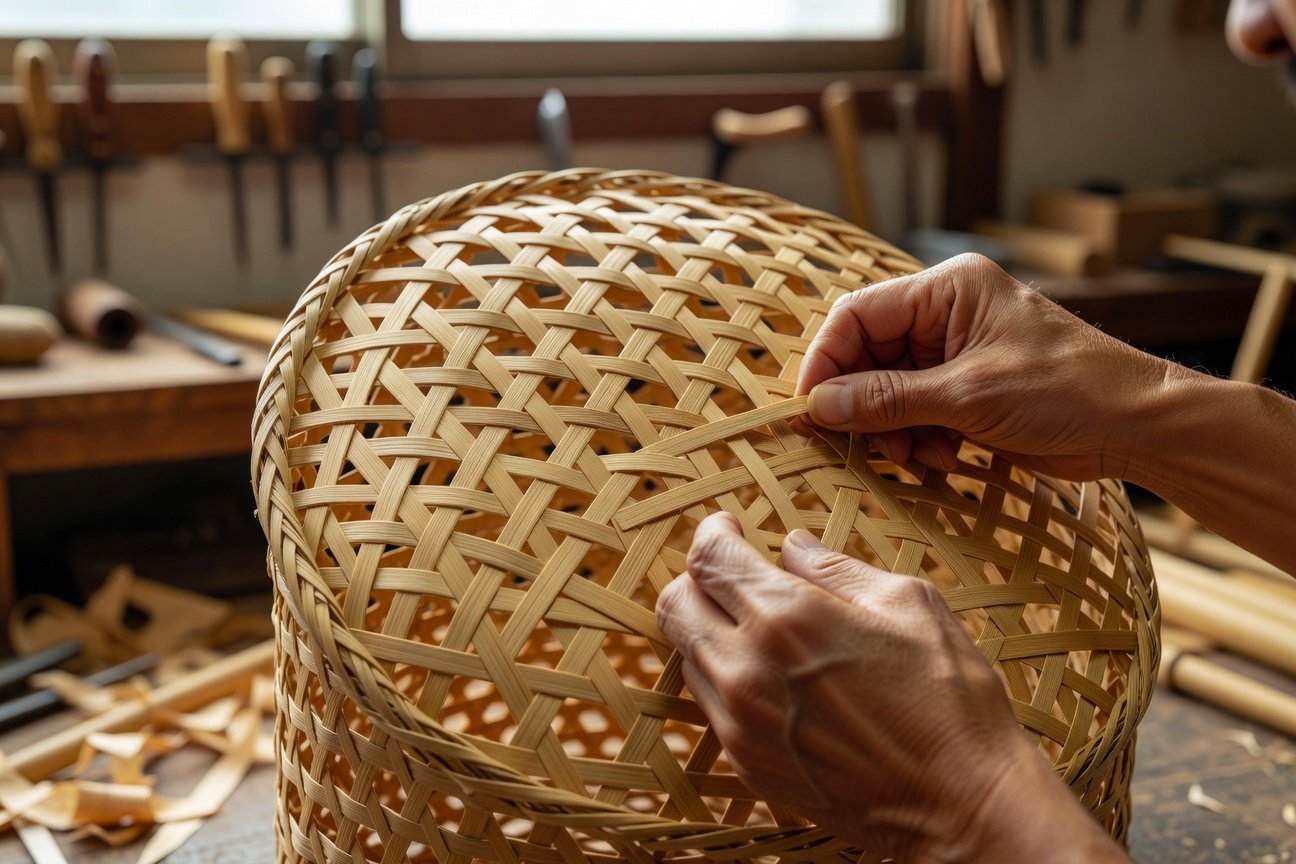
Japanese basketry encompasses several distinct technical approaches, each with specific applications and aesthetic outcomes. The primary methods include *ajiro* (hexagonal weave), *komai* (tight, dense weaving), *madake* (bamboo strip work), and *mizuhiki* (decorative cord wrapping). *Ajiro* weaving creates the characteristic geometric patterns seen in many Japanese baskets, achieved by interlacing bamboo strips at precise angles to form hexagonal or diamond shapes. This technique requires exceptional spatial reasoning and consistent tension management—strips must be pulled with equal force throughout the weaving process to maintain pattern integrity. *Komai* represents the opposite approach: extremely tight, dense weaving that creates baskets capable of holding liquids without leaking. Traditionally used for food storage and tea ceremony vessels, *komai* baskets demand patience and physical endurance, as weavers compress materials repeatedly to achieve the necessary density. Understanding these foundational techniques provides the framework for more advanced work and helps students appreciate why Japanese basketry commands such respect within international craft communities.
Bamboo Selection and Preparation
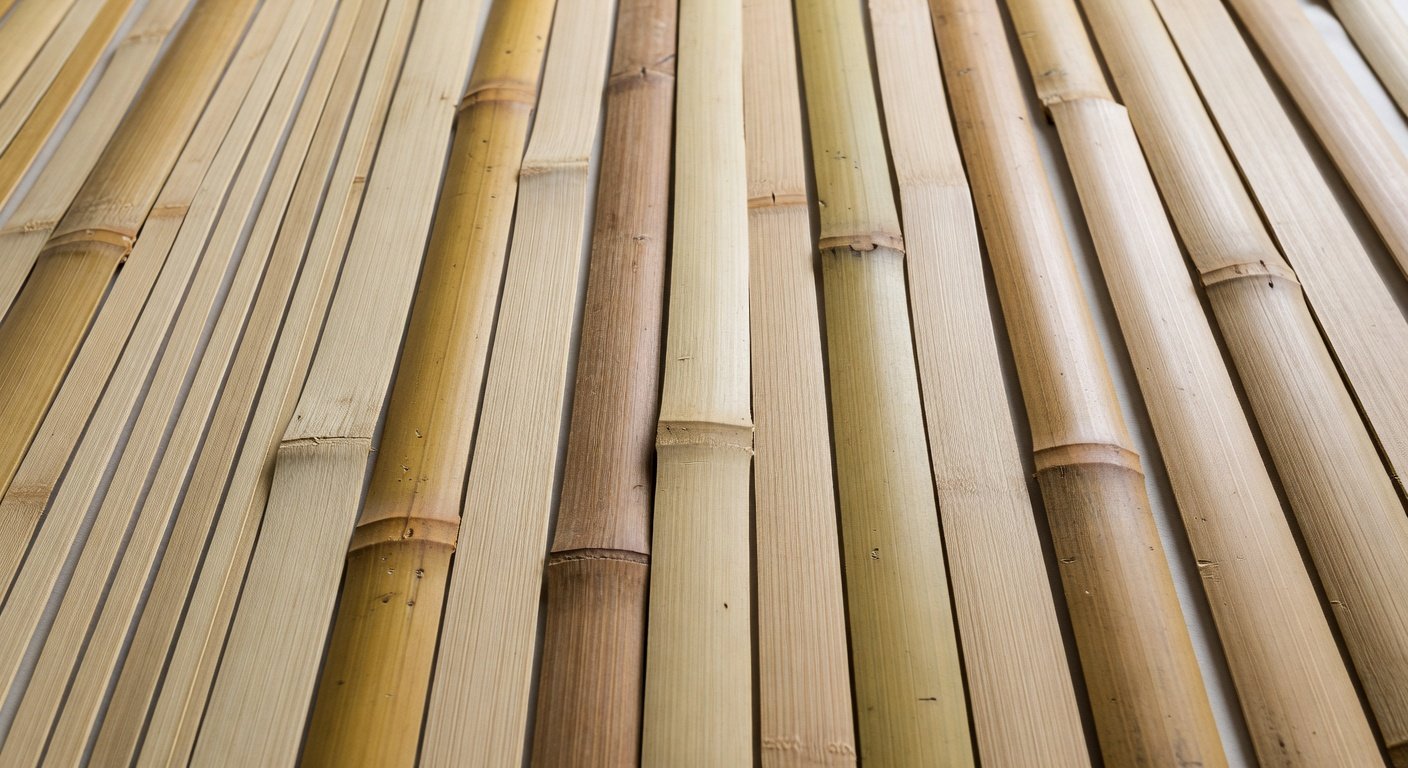
The quality of finished Japanese basketry depends fundamentally on material preparation, a process that can consume as much time as the actual weaving. Japanese basketry traditionally employs specific bamboo species—primarily *Phyllostachys bambusoides* and *Phyllostachys pubescens*—selected for their strength, flexibility, and grain structure. Artisans harvest bamboo at precise times in the growing cycle, typically in winter when sap content is lowest and the material is strongest. Once harvested, bamboo undergoes extensive processing: splitting into strips of consistent width, boiling to remove oils and parasites, drying under controlled conditions, and sometimes smoking or aging to develop desired color and flexibility. This preparation phase teaches students critical lessons about material behavior and respect for natural resources. Many Japanese basketry instructors emphasize that understanding bamboo’s properties—how it responds to moisture, heat, and tension—is as important as learning weaving patterns. American craft students often find this material-focused approach refreshing compared to Western traditions that sometimes prioritize speed over material knowledge.
Frame Construction and Structural Principles
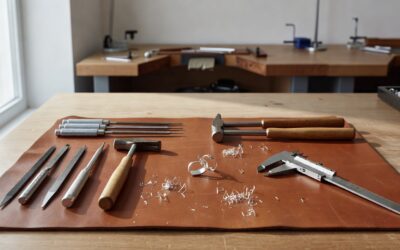
Japanese baskets begin with carefully constructed frames that determine the final form and structural integrity. Unlike some Western basketry that builds structure through weaving alone, Japanese methods typically establish a rigid or semi-rigid frame first, then weave filling materials around it. Frame construction requires precision tool work—measuring, cutting, and joining bamboo pieces at exact angles. Students learn to use traditional Japanese tools including specialized knives, saws, and measuring implements that differ significantly from Western equivalents. The frame-first approach teaches fundamental lessons about load distribution, material stress, and how form follows function. A tea basket frame must support weight differently than a decorative wall hanging; understanding these distinctions allows makers to design baskets suited to specific purposes. Many American craft schools emphasize this structural thinking, as it develops problem-solving skills applicable beyond basketry. Students who grasp frame construction principles can adapt techniques to new materials and purposes, becoming more versatile and innovative makers.
Japanese Basketry Traditions and Cultural Context
Japanese basketry traditions cannot be separated from the cultural contexts that shaped them. The tea ceremony (*chanoyu*) generated demand for specialized baskets with specific proportions and weaving patterns; flower arrangement (*ikebana*) required vessels with particular structural properties; food storage and preservation created functional requirements that drove technical innovation. Understanding these cultural applications helps contemporary students appreciate why specific techniques developed and why they remain relevant today. Many Japanese baskets carry names referencing their original purpose or the region where they were traditionally made—*Ajiro-zaru* baskets from Kyoto, *Beppu* baskets from Oita Prefecture, *Kago* palanquin baskets used for transportation. Learning these names and their histories connects students to centuries of craft knowledge and cultural practice. This contextual learning distinguishes serious craft education from mere technique acquisition; students develop appreciation for how baskets function within larger cultural systems and how their own work participates in ongoing traditions.
Where to Study Japanese Basketry in the United States
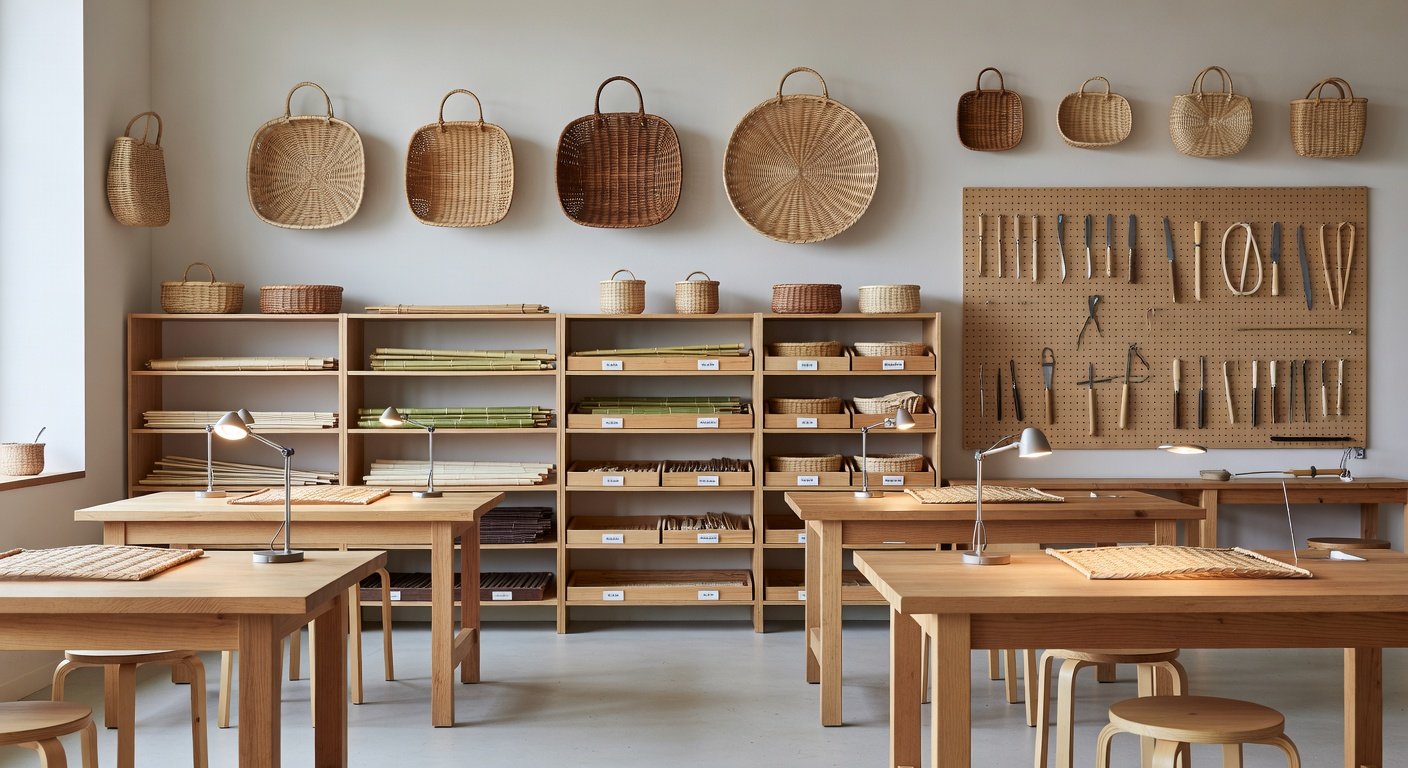
Several established American craft institutions now offer Japanese basketry instruction, recognizing demand from serious students seeking authentic cultural learning. Penland School of Craft in North Carolina regularly features Japanese basketry workshops taught by visiting master artisans and accomplished American practitioners who have studied extensively in Japan. Arrowmont School of Arts and Craft in Tennessee offers multi-week residencies in Japanese basketry techniques, allowing students to develop genuine proficiency rather than surface familiarity. Haystack Mountain School of Crafts in Maine, maintaining its New England heritage while embracing international traditions, includes Japanese basketry in seasonal programming. In the Northeast, several independent instructors and smaller craft centers offer focused workshops; many advertise through the Craft and Folk School network and regional maker communities. Online platforms including Craftsy and specialized basketry websites occasionally feature Japanese basketry instruction, though serious students should prioritize in-person learning with experienced instructors. The hands-on nature of basketry—the physical feedback of material tension, the spatial relationships visible only in three dimensions—makes direct instruction invaluable.
Evaluating Workshop Quality and Instructor Credentials
Not all Japanese basketry instruction carries equal value; serious students should evaluate instructors carefully. Look for teachers who have studied directly with recognized Japanese masters or spent extended time in Japan developing their practice. Legitimate instructors can articulate the cultural and historical context of techniques, not merely demonstrate mechanical steps. Ask whether workshops emphasize material preparation and selection—quick introductions often skip this crucial foundation. Quality programs should provide adequate time for students to develop real competency; weekend workshops introduce concepts but rarely generate lasting skill development. Consider whether instructors use authentic Japanese tools and materials or substitute Western equivalents; while substitutions sometimes prove necessary, authentic materials teach important lessons about how traditional techniques evolved. Read reviews from previous students, particularly regarding whether instruction accommodated different skill levels and whether students felt they could continue learning independently after the workshop concluded. The best instructors inspire ongoing practice and provide resources for continued development.
Getting Started with Japanese Basketry Practice
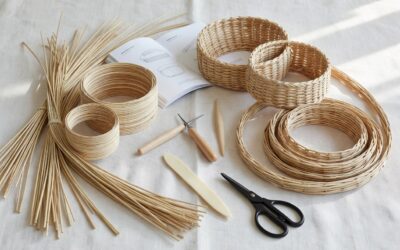
Beginning Japanese basketry study requires modest initial investment in materials and tools, though quality matters significantly. Basic starter kits including pre-cut bamboo strips, traditional Japanese weaving tools, and instructional materials are available through specialized suppliers; Etsy vendors and Amazon Associates offer curated collections specifically designed for Western students. However, materials sourced directly from Japanese suppliers often prove superior, as they reflect authentic preparation methods and material standards. Beginners should start with simpler weaving patterns—basic *ajiro* variations or simple coiling techniques—before attempting complex structural projects. Many instructors recommend beginning with smaller baskets, as they require less material investment and teach fundamental principles efficiently. Establish a dedicated workspace with adequate lighting and a stable work surface; Japanese basketry demands sustained focus and precise hand positioning. Allow time for material preparation even in early projects; rushing through bamboo selection and conditioning compromises final results and prevents learning crucial material-knowledge lessons. Most importantly, approach Japanese basketry with patience and respect for the tradition; this craft rewards deliberate practice and cultural humility.
Building a Practice and Developing Proficiency
Sustained Japanese basketry practice follows a progression from simple to complex projects, with each piece building specific skills. After mastering basic weaving patterns, students typically progress to frame construction, learning how to select and prepare bamboo for structural elements. Intermediate projects might include functional baskets for specific purposes—tea ceremony vessels, flower arrangement containers, or storage baskets with fitted lids. Advanced work involves designing original pieces that synthesize learned techniques while respecting traditional aesthetic principles. Many serious practitioners maintain practice journals documenting material sources, weaving patterns, and technical challenges; this reflective practice accelerates learning and creates valuable reference materials. Connecting with other Japanese basketry students through craft communities, online forums, and workshop reunions provides motivation and opportunities for peer learning. Some practitioners eventually travel to Japan for intensive study with recognized masters, deepening their understanding and earning credentials within the international basketry community. This progression from beginner to advanced practitioner typically spans years, reflecting the reality that genuine craft mastery requires sustained commitment and cultural immersion.
Resources and Materials for Japanese Basketry Students
Serious Japanese basketry students benefit from curated resources that support ongoing learning beyond formal workshops. Several excellent books document Japanese basketry techniques with detailed photography and cultural context; titles like “Japanese Basketry” by Donna Z. Baker and “The Art of Japanese Basketry” provide comprehensive technical and historical information. Japanese-language resources, while requiring translation effort, offer authentic documentation of traditional techniques and regional variations. Online communities including the Basketmakers Association and specialized Japanese craft forums connect practitioners internationally, facilitating knowledge exchange and material sourcing. YouTube channels featuring Japanese master basketmakers provide visual documentation of techniques, though these should supplement rather than replace hands-on instruction. Material suppliers including specialty bamboo vendors and Japanese craft importers maintain websites with educational content alongside product offerings. Building a personal library of technical references, collecting samples of different weaving patterns, and maintaining records of successful projects creates a knowledge base supporting continued development. Many experienced practitioners eventually contribute to this collective knowledge by teaching, publishing, or mentoring emerging students.
Frequently Asked Questions
What’s the difference between Japanese basketry and Western basketry traditions?
Japanese basketry emphasizes mathematical precision, philosophical aesthetics rooted in Zen Buddhism, and specific cultural applications like tea ceremony vessels. Western traditions like Appalachian splint basketry prioritize regional materials and functional design. Japanese techniques typically involve more extensive material preparation and frame-first construction, while Western methods often build structure through weaving alone. Both traditions are valid; Japanese basketry offers distinct technical and cultural learning opportunities.
How long does it take to become proficient in Japanese basketry?
Basic competency in fundamental weaving patterns typically requires 40-60 hours of instruction and practice. Developing real proficiency—understanding material properties, executing complex patterns, and designing original pieces—usually takes 1-2 years of consistent practice. Mastery comparable to recognized Japanese artisans requires 5-10 years of dedicated study. Most serious students find meaningful progress within their first year, with each subsequent year deepening capability and cultural understanding.
What materials do I need to start Japanese basketry?
Essential materials include bamboo strips in various widths, traditional Japanese weaving tools (specialized knives and measuring implements), and a stable work surface with good lighting. Starter kits are available through specialty suppliers on Etsy and Amazon Associates, typically ranging from $50-150. Quality materials matter significantly; authentic Japanese-prepared bamboo teaches important lessons about material behavior that inferior substitutes cannot provide. Budget for ongoing material investment as your practice develops.
Are there Japanese basketry workshops available in New England?
Yes, several New England institutions offer Japanese basketry instruction. Haystack Mountain School of Crafts in Maine includes Japanese basketry in seasonal programming. Penland School of Craft in North Carolina and Arrowmont School of Arts and Craft in Tennessee offer dedicated residencies. Additionally, independent instructors throughout New England advertise workshops through craft school networks and regional maker communities. Check with local craft centers and folk schools for current offerings.
Can I learn Japanese basketry online, or do I need in-person instruction?
While online resources including videos and instructional materials provide valuable supplementary learning, in-person instruction is strongly recommended for Japanese basketry. The craft requires physical feedback—material tension, three-dimensional spatial relationships, and proper tool handling—that video instruction cannot fully convey. Online learning works best as follow-up support after hands-on workshop instruction with experienced teachers. Serious students should prioritize finding quality in-person instruction as their foundation.
Ready to Develop Your Japanese Basketry Practice?
Japanese basketry offers serious adult makers an opportunity to engage with a thousand-year-old tradition while developing technical skills applicable across fiber arts. Whether you’re beginning your first workshop or planning an intensive study program, quality instruction and authentic materials make the difference between surface familiarity and genuine proficiency. Explore workshop opportunities at established craft schools, connect with experienced instructors in your region, and invest in materials that reflect traditional preparation standards. Your commitment to learning this refined craft honors both the artisans who developed these techniques and the cultural traditions they represent. Start your Japanese basketry journey today by researching workshops, gathering quality materials, and connecting with the growing community of American practitioners devoted to this remarkable tradition.