What Makes Metalsmithing Classes Near Me Essential for Skill Building
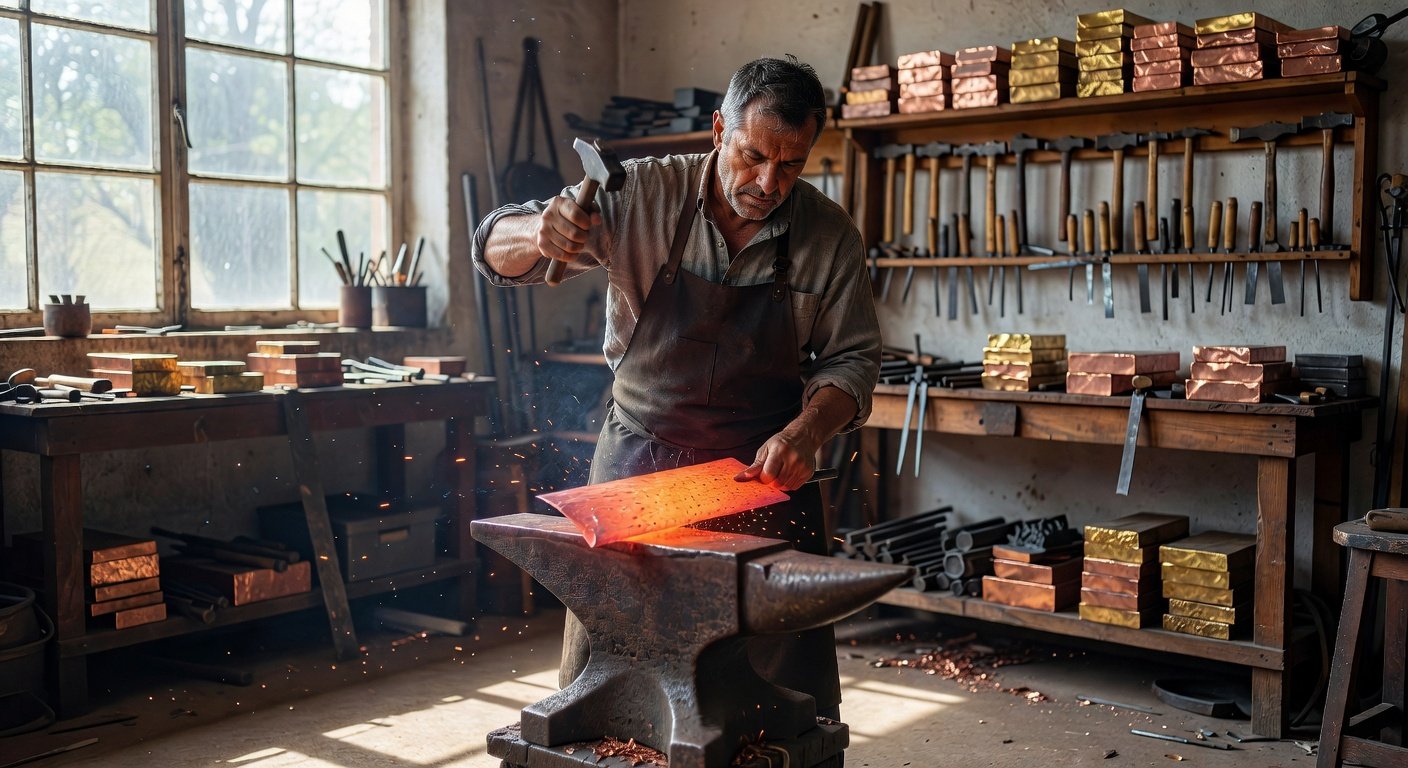
Metalsmithing classes near me offer hands-on opportunities to learn techniques like soldering, forging, and stone setting from experienced artisans. These workshops immerse participants in the tactile world of metalwork, where students transform raw materials into jewelry, sculptures, or functional objects. In the folk school tradition, such classes emphasize traditional methods passed down through generations, fostering a deep connection to craftsmanship. For serious adult makers, finding metalsmithing classes near me means accessing structured environments that provide tools, safety guidance, and feedback absent in solo experimentation. Beginners start with basic fabrication, while advanced learners explore patination or mixed-media integration. Local options often align with community craft centers, making them convenient for regular attendance. Yet, the quality varies, so researching instructor credentials and class size is key. This approach not only builds technical proficiency but also cultivates patience and precision essential to the trade. As demand grows for authentic handmade pieces, these classes equip makers with skills to create enduring works.
Beyond technique, metalsmithing classes near me nurture creativity within a supportive setting. Instructors draw from regional traditions, such as those in New England, where ironwork influences blend with contemporary designs. Participants benefit from group dynamics, sharing ideas and troubleshooting challenges together. A typical session might cover hammer texturing one day and wire wrapping the next, ensuring progressive learning. Safety protocols, including proper ventilation and tool handling, are standard, protecting students during intensive work. For those balancing full-time commitments, evening or weekend schedules fit seamlessly. Moreover, these classes often culminate in portfolio pieces, boosting confidence for personal projects or market sales. In areas like Vermont, folk schools host seasonal intensives that highlight sustainable sourcing, appealing to eco-conscious crafters. Ultimately, enrolling in metalsmithing classes near me transforms hobbyists into skilled practitioners, ready to contribute to the vibrant craft community.
Step-by-Step Guide to Searching for Metalsmithing Classes Near Me
Begin your search for metalsmithing classes near me by using online directories tailored to crafts. Websites like fletcherfarm.org list workshops across New England, filtering by skill level and medium. Enter your zip code on platforms such as Craftsy or local guild sites to uncover nearby studios. Community colleges and art centers frequently offer introductory courses, often at affordable rates. Check social media groups dedicated to metalsmithing for member recommendations, as firsthand accounts reveal class atmospheres and outcomes. Visit studio websites to review syllabi, ensuring coverage of core skills like sawing and filing. Timing matters—spring and fall sessions fill quickly, so book early. Contact organizers directly for details on prerequisites or material fees, which typically range from $50 to $200 per class. This methodical approach yields options that match your goals, whether casual exploration or intensive training. In rural areas, expanding the radius to 50 miles uncovers hidden gems like Vermont’s craft schools, where immersive weekends await.
Narrowing down metalsmithing classes near me involves assessing logistics and reviews. Prioritize venues with dedicated metalworking spaces equipped for soldering torches and polishing wheels. Read testimonials on platforms like Yelp or Google, focusing on instructor expertise rather than generic praise. Inquire about class ratios; smaller groups, ideally under 10, allow personalized attention. Consider accessibility features, such as adaptive tools for varying abilities. For New England residents, resources like the Vermont Crafts Council provide curated lists of reputable programs. Budget for supplies if not included, and verify refund policies. Virtual tours via studio blogs offer insights into facilities. Once shortlisted, attend open houses to gauge fit. This thorough vetting ensures your investment in metalsmithing classes near me yields tangible progress, from mastering basic joins to experimenting with alloys.

Leveraging Local Resources for Discovery
Local libraries and craft associations serve as gateways to metalsmithing classes near me. Many host bulletin boards or newsletters advertising workshops at nearby makerspaces. Join regional guilds, such as those in New Hampshire, for insider access to pop-up events. Farmers’ markets often feature artisan booths where metalsmiths share class info. Public workshops through parks departments provide low-barrier entry, ideal for testing interest. In urban settings, co-working craft hubs like those in Boston integrate metalsmithing with other disciplines. These resources foster community ties, essential for ongoing motivation. Track seasonal fairs in Vermont for announcements of intensive sessions. By tapping these networks, you discover not just classes but mentorship opportunities that elevate your practice beyond the workshop door.
Evaluating Local Metalsmithing Classes for Quality and Fit
When evaluating metalsmithing classes near me, scrutinize the curriculum’s depth and instructor background. Seek programs taught by certified jewelers or those with gallery representation, ensuring authentic instruction. Look for progressive modules—from design sketching to finishing techniques—that build layered skills. Class duration influences retention; multi-session formats allow practice between meetings. Facilities should include essential equipment like anvils and flex shafts, with clean, organized workspaces. Student feedback highlights engagement levels, so favor classes with interactive critiques. Cost-effectiveness matters: compare value against private lessons, which can exceed $100 hourly. In New England, programs emphasizing historical methods, like colonial forging, add cultural richness. Accessibility, including transportation and parking, affects attendance. Trial sessions or audits help confirm compatibility. This evaluation process secures metalsmithing classes near me that align with your learning style, maximizing growth without unnecessary expenses.
Fit extends to class demographics and goals. Adult-focused workshops avoid juvenile activities, prioritizing serious skill development in line with folk school ethos. Confirm age minimums and experience requirements to avoid mismatches. Environmental considerations, such as low-emission studios, appeal to health-conscious makers. Post-class support, like online forums or supply discounts, enhances continuity. For career-oriented students, classes offering certification hold value. In Vermont locales, seasonal themes tied to local metals inspire relevance. Weigh group size against your preference for collaboration or focus. By addressing these factors, you select metalsmithing classes near me that not only teach techniques but also integrate into your broader creative life.
Deciding When to Travel for Superior Metalsmithing Classes
Sometimes, the best metalsmithing classes near me require a short trip, especially in regions with concentrated craft hubs. If local options lack advanced topics like granulation or kinetic sculpture, consider destinations like Vermont’s folk schools for specialized intensives. Travel becomes worthwhile when classes feature renowned instructors unavailable locally, offering techniques refined over decades. Budget for lodging and meals, as weekend retreats often include them. New England drives, under four hours from many areas, minimize disruption. Assess travel’s benefits: exposure to diverse styles and networking with peers from afar. For instance, Fletcher Farm workshops provide immersive experiences in historic settings, blending learning with inspiration. Weigh costs against gains— a $500 class might yield skills saving thousands in self-study trial and error. Schedule around peak seasons to avoid crowds. This strategic travel elevates your metalsmithing journey beyond routine local offerings.
Timing and purpose guide travel decisions for metalsmithing classes. Opt for out-of-town sessions during skill plateaus, where fresh perspectives reignite progress. Family-friendly retreats in New England accommodate companions, turning trips into shared adventures. Evaluate transportation options, from Amtrak to carpooling, for efficiency. Post-class, apply learned methods immediately to solidify retention. Virtual previews via webinars help preview content. When local metalsmithing classes near me fall short on innovation, traveling invests in long-term expertise. Regional events like craft fairs double as class previews, justifying the journey. Ultimately, these excursions build a national network, opening doors to collaborations and exhibitions.

Spotlight on New England and Vermont Destinations
Vermont stands out for metalsmithing classes, with its folk schools offering hands-on immersion in traditional techniques. Programs at places like the Vermont Folklife Center explore blacksmithing influences on modern jewelry. Travel here rewards with small-group settings amid scenic landscapes, enhancing focus. New England broadly hosts guild-sponsored workshops in Massachusetts and Maine, covering etching and enameling. These destinations prioritize sustainable practices, sourcing recycled metals. Plan visits during fall foliage for added appeal, combining education with relaxation. Such trips provide breakthroughs unavailable in standard local searches for metalsmithing classes near me.
Key Elements to Seek in a Metalsmithing Class Curriculum
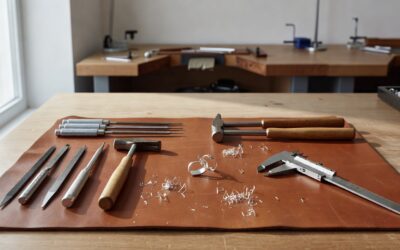
A strong metalsmithing class curriculum balances theory and practice, starting with material properties—copper’s malleability versus steel’s durability. Core modules cover sawing, filing, and soldering, progressing to riveting and bezel setting. Look for inclusivity in design phases, incorporating sketching and prototyping. Advanced classes integrate digital tools like CAD for precision. Safety integration throughout prevents common pitfalls like torch mishaps. Duration allows mastery; short workshops suit overviews, while multi-week formats enable complex projects. Instructors should demonstrate real-world applications, from custom commissions to gallery prep. Folk school curricula often weave in cultural contexts, enriching technical learning. Verify supply lists to prepare adequately. This structure in metalsmithing classes near me ensures comprehensive development, from novice to proficient artisan.
Curriculum quality shines through adaptability and assessment. Tailored feedback sessions refine individual techniques, addressing weaknesses like uneven hammering. Guest artists introduce variations, such as texturing with found objects. Emphasis on finishing—polishing, oxidizing—completes pieces professionally. Eco-friendly modules on ethical sourcing align with modern values. For traveling classes, curricula might focus on portable skills like wirework. Post-class resources, including reference libraries, extend learning. Selecting metalsmithing classes near me with robust curricula accelerates proficiency, turning enthusiasm into expertise.
Complementing In-Person Classes with Online Metalsmithing Resources
While seeking metalsmithing classes near me, online platforms like Craftsy provide flexible supplements. Video tutorials on piercing or chainmaking allow practice at home, bridging gaps between sessions. Affiliate programs offer discounted access, ideal for previewing techniques before committing locally. Interactive forums connect you with global makers, expanding perspectives. For travel planning, virtual classes maintain momentum during off-seasons. Platforms emphasize step-by-step guidance, mimicking in-person pacing. Combine with local workshops for hybrid learning, enhancing retention. In New England, some folk schools link to online extensions, creating seamless paths. This blend maximizes accessibility, ensuring steady progress without geographic limits.
Online resources democratize metalsmithing education, offering modules on niche topics like kinetic mechanisms. Self-paced formats suit busy schedules, with quizzes reinforcing concepts. Community challenges foster accountability, similar to class critiques. For those in remote areas, they serve as primary options until travel aligns. Integrating videos with hands-on local classes near me refines skills efficiently. Explore free trials to test fit, then invest in comprehensive courses. This approach sustains passion, preparing you for advanced in-person immersions.
Frequently Asked Questions
How do I find reputable metalsmithing classes near me?
Start with craft directories like fletcherfarm.org or local guild websites, entering your location to filter options. Read reviews on instructor expertise and facilities, then contact for syllabi. Prioritize small-group settings in community centers or folk schools for hands-on focus.
What should I look for in a metalsmithing class curriculum?
Seek progressive modules covering basics like soldering to advanced techniques such as stone setting. Ensure inclusion of safety, design, and finishing, with experienced instructors providing feedback. Folk school programs often add cultural depth for richer learning.
Is it worth traveling for metalsmithing classes?
Yes, if local options lack specialization; destinations like Vermont offer unique immersives with expert-led traditional methods. Short trips under four hours yield networking and skill breakthroughs, outweighing costs for serious makers.
Can online courses replace in-person metalsmithing classes near me?
They complement well for flexibility, covering techniques via videos on platforms like Craftsy. Use them for practice between local sessions, but in-person provides essential tool access and direct guidance for tactile mastery.
Ready to Start Your Metalsmithing Journey?
Explore upcoming workshops through trusted resources like fletcherfarm.org or local craft guilds. Enroll today to gain hands-on skills from seasoned instructors and join a community of dedicated makers.