What Makes Penland School of Crafts Different from Other Folk Schools
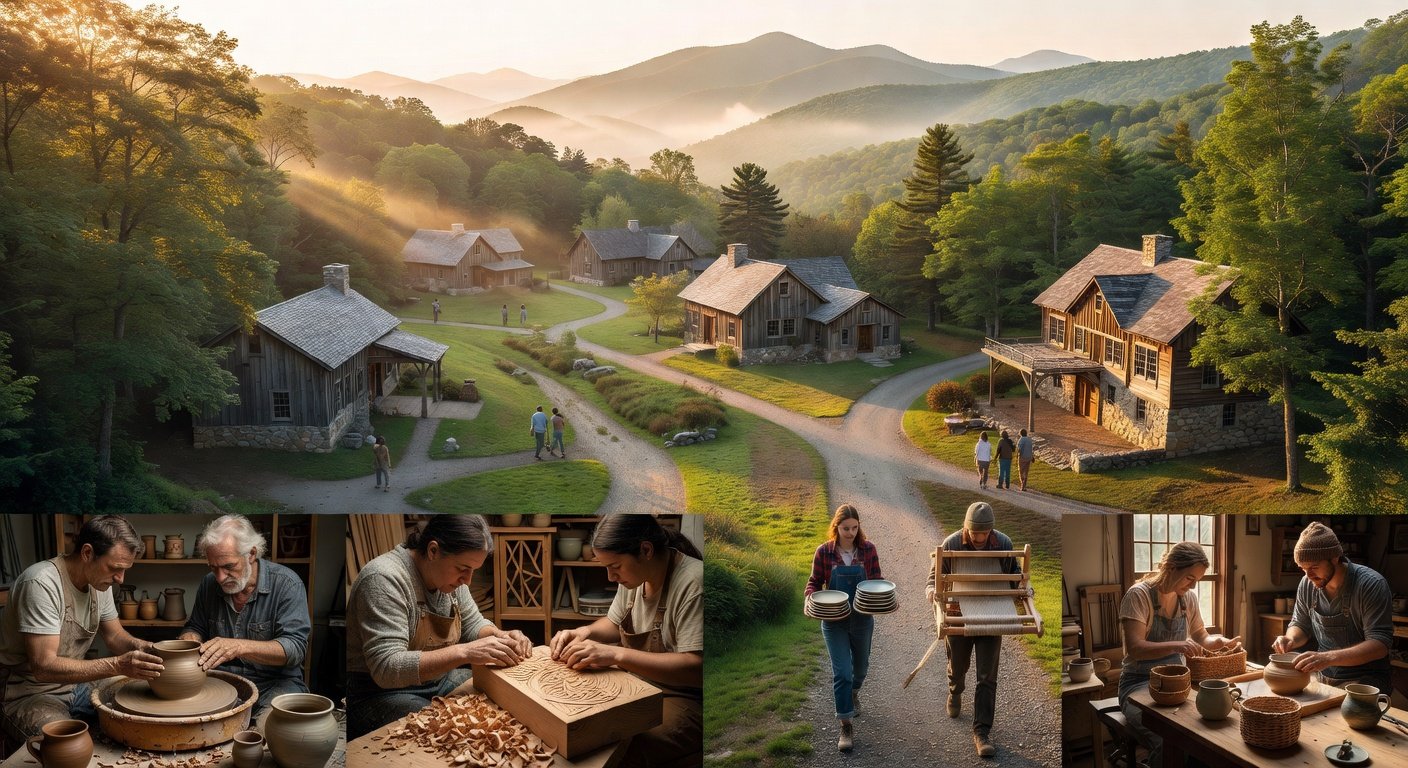
Nestled in the Blue Ridge Mountains of North Carolina, Penland School of Crafts stands apart from other craft institutions through its intensive, immersive approach to traditional and contemporary making. Unlike weekend workshops or evening classes, Penland operates on one, two, and eight-week sessions where students live on campus and dedicate themselves entirely to their chosen craft. This residential model creates an environment where learning extends beyond scheduled studio time into meals, evening conversations, and spontaneous collaborations between artists working in different media. The school’s reputation attracts internationally recognized instructors who bring decades of expertise and often waiting lists for their workshops.
Founded in 1929, Penland has evolved from a small weaving program into a comprehensive craft school offering instruction in glass, metals, clay, fibers, wood, printmaking, photography, and books and paper. The campus itself reflects this evolution, with purpose-built studios that house professional-grade equipment and tools. What sets this Penland School of Crafts review apart from promotional materials is the honest assessment of both the transformative potential and the challenges that come with this intensive learning environment. Students often describe their time at Penland as life-changing, but the experience requires significant commitment in terms of time, finances, and emotional energy.
Program Structure and Workshop Options at Penland School of Crafts
Penland operates three distinct session lengths, each serving different learning objectives and student needs. One-week workshops provide intensive introductions to new techniques or focused skill development for experienced makers. These sessions run from Sunday evening through the following Saturday morning, offering approximately 30 hours of studio instruction plus demonstrations, slide presentations, and informal learning opportunities. Two-week sessions allow for deeper exploration of complex processes and more ambitious project completion. The eight-week Core Fellowship program represents Penland’s most comprehensive offering, combining intensive studio work with visiting artist lectures, field trips, and mentorship opportunities.
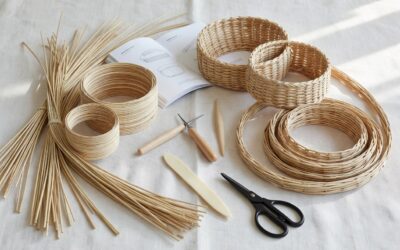
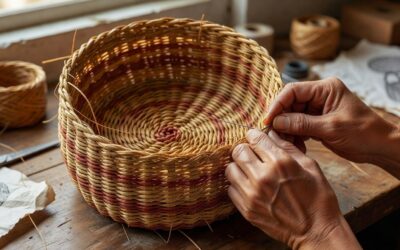
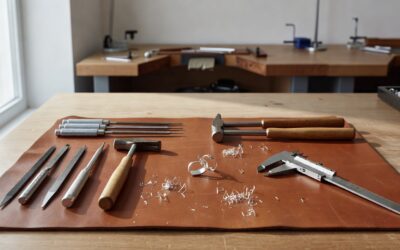
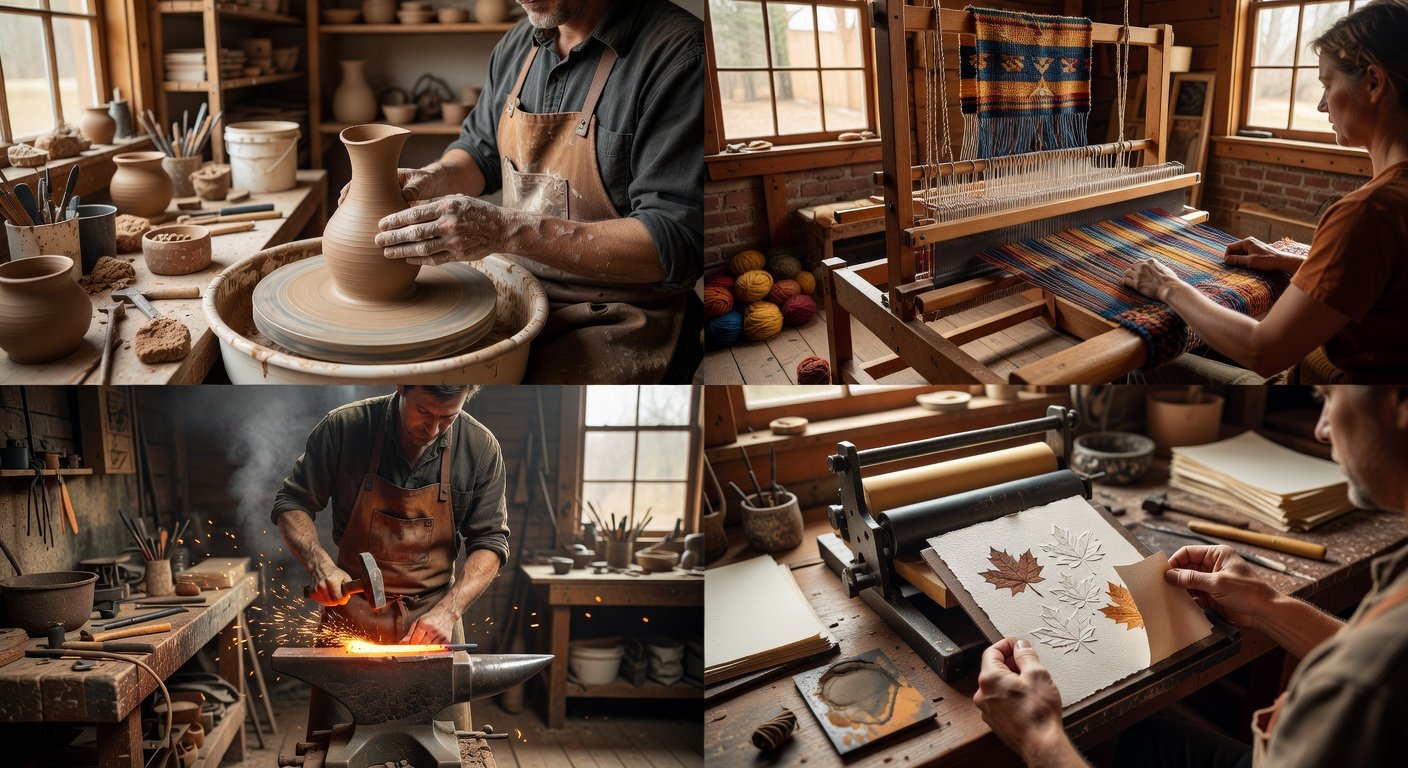
The workshop catalog spans traditional craft disciplines alongside contemporary approaches that blur boundaries between fine art and functional making. Glass programs range from flameworking and kiln-forming to hot glass techniques requiring significant physical stamina. Metals workshops cover everything from traditional blacksmithing to contemporary jewelry techniques using both precious and alternative materials. Clay offerings include wheel throwing, hand-building, glazing chemistry, and kiln construction. Fiber programs encompass weaving, surface design, basketry, and experimental textile techniques. Wood workshops range from furniture making to sculptural carving, while printmaking covers traditional and digital approaches. The photography program focuses on both analog and digital techniques, often incorporating alternative processes and book arts.
Instructor Quality and Teaching Philosophy
Penland’s instructor roster reads like a who’s who of contemporary craft, featuring artists whose work appears in major museum collections and whose techniques have influenced entire fields. The school’s teaching philosophy emphasizes learning through making rather than lengthy theoretical discussions. Instructors typically begin each workshop with demonstrations of key techniques, then guide students through increasingly complex projects that build skills progressively. This hands-on approach means students spend the majority of their time working directly with materials under expert guidance. The instructor-to-student ratio varies by medium and safety requirements, but generally ranges from 1:8 to 1:12, ensuring significant individual attention.
Cost Breakdown and Financial Planning for Penland School of Crafts
Understanding the full cost of attending Penland requires looking beyond tuition to include housing, meals, materials, and travel expenses. One-week workshop tuition ranges from $675 to $825 depending on the medium and instructor, while two-week sessions cost between $1,350 and $1,650. The eight-week Core Fellowship carries a tuition of approximately $5,400. These figures cover instruction, studio access, and basic tool usage but exclude housing and meals. On-campus housing adds $65-85 per night for shared accommodations or $95-115 for private rooms. Meal plans cost approximately $55 per day and cover three meals plus evening snacks.
Material fees vary significantly by medium and project ambition. Glass workshops often carry the highest material costs due to the expense of colored glass and kiln firing fees, potentially adding $200-400 to the total cost. Metals workshops, particularly those involving precious materials, can also generate substantial additional expenses. Clay and fiber workshops typically have more modest material fees, ranging from $50-150. Students should budget an additional 20-30% beyond stated costs for unexpected material needs, personal supplies, and the inevitable purchases from the campus store and visiting artist sales. Work-study positions can offset some costs for students who qualify, typically requiring 10-15 hours of campus work per week in exchange for reduced tuition or housing fees.
Hidden Costs and Budget Planning Tips
Beyond the obvious expenses, several hidden costs can impact your Penland budget significantly. Transportation to the remote mountain location often requires flying into Charlotte or Asheville followed by a rental car or expensive shuttle service. The nearest grocery store sits 30 minutes away, making the meal plan nearly essential despite its cost. Tool purchases become tempting when working with professional-grade equipment that produces superior results to home studio tools. Many students report spending $200-500 on tools, books, and materials from visiting artists and the campus store. Travel insurance becomes particularly important given the significant financial commitment and the physical demands of some workshops that could lead to injury.
Campus Life and the Residential Experience
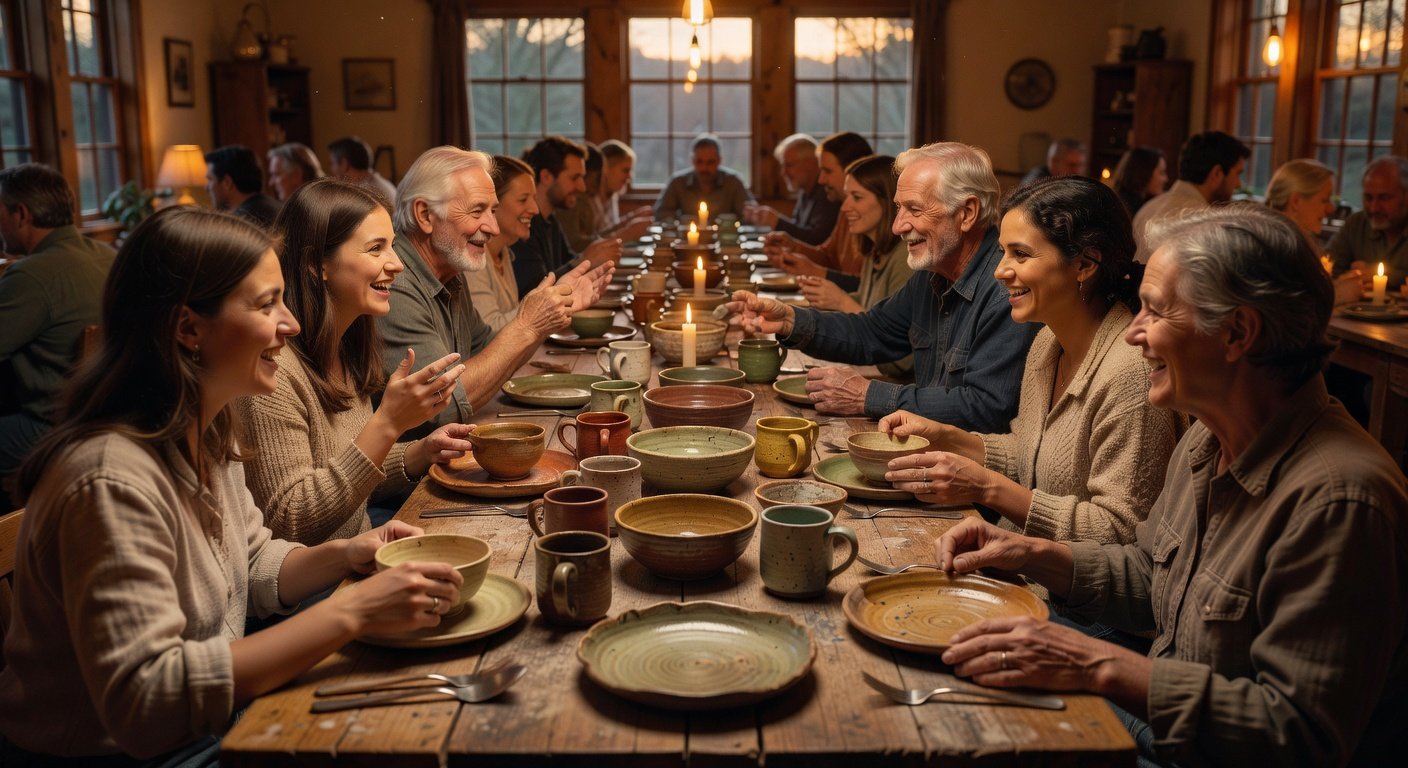
Living on campus transforms the Penland experience from a simple workshop into an immersive artistic residency. The residential component begins Sunday evening with communal dinner and orientation, establishing the rhythm of shared meals that punctuate each day. Students quickly form bonds over breakfast conversations about the previous day’s breakthroughs and challenges. The dining hall becomes a crossroads where glass blowers compare notes with printmakers and woodworkers share techniques with fiber artists. Evening programs featuring slide presentations by instructors or visiting artists extend learning beyond studio hours.
Housing options range from shared dormitory-style rooms in older buildings to private accommodations in newer facilities. The older buildings offer more character but less privacy and potentially shared bathrooms. Newer housing provides private bathrooms and climate control but costs significantly more. Regardless of housing choice, the campus layout encourages interaction through shared outdoor spaces, the central dining hall, and evening gathering areas. The mountain setting provides hiking trails and outdoor seating areas that offer respite from intensive studio work. However, the remote location means limited cell service and wifi, which some students find liberating while others experience as isolation.
Social Dynamics and Community Building
The intensive residential format creates unique social dynamics that can enhance or complicate the learning experience. Students arrive as strangers but quickly form close bonds through shared challenges and discoveries. The absence of outside distractions fosters deep conversations about art, life, and creative practice. However, personality conflicts can feel magnified in the close-quarters environment, and some students struggle with the lack of privacy and constant social interaction. The age range typically spans from recent college graduates to retirees, creating intergenerational learning opportunities but occasionally leading to different expectations about social activities and studio behavior.
What First-Time Students Should Expect
First-time Penland students often arrive with unrealistic expectations about skill development and project completion. The intensive format can feel overwhelming initially, particularly for those accustomed to more structured learning environments. Studios operate on extended schedules, often remaining open until midnight, but this freedom can paralyze students unsure how to structure their time effectively. The physical demands vary significantly by medium, with glass and metals workshops requiring substantial stamina and heat tolerance. Clay work involves repetitive motions that can strain hands and backs unaccustomed to such activity.
Successful first-time students come prepared with realistic goals and flexible expectations. Rather than planning elaborate projects, focus on skill acquisition and technique mastery. Bring appropriate clothing for your chosen medium, including closed-toe shoes, natural fiber clothing for hot glass work, and layers for variable mountain weather. Pack any prescription medications with extras, as the nearest pharmacy requires a significant drive. Most importantly, prepare mentally for an intensive experience that may challenge your assumptions about your abilities and artistic direction. Many students report feeling simultaneously exhausted and exhilarated by the end of their session.
Preparation Tips for Maximum Success
Physical preparation proves particularly important for certain media. Glass and metals work require heat tolerance and the ability to stand for extended periods. Clay work demands hand and wrist strength for throwing and wedging. Begin conditioning exercises several weeks before your session if you’re not regularly active. Research your instructor’s work and approach through their website, social media, and published interviews. This preparation helps you ask informed questions and understand their teaching style. Bring a notebook dedicated to your Penland experience for recording techniques, recipes, and inspiration that emerges during your session.
Comparing Penland to Other Craft Schools
Within the landscape of American craft education, Penland occupies a unique position that differs significantly from other well-known institutions. Unlike degree-granting programs at universities, Penland focuses exclusively on intensive skill development without academic requirements or grades. This approach contrasts with schools like Virginia Commonwealth University or Rochester Institute of Technology, where craft instruction occurs within broader educational contexts. Compared to other folk schools like John C. Campbell or Arrowmont, Penland operates at a more professional level with higher costs but also more renowned instructors and superior facilities.
The residential requirement sets Penland apart from most urban craft centers that offer evening or weekend workshops. This immersive model creates deeper learning opportunities but also requires greater commitment than drop-in classes at local art centers. Anderson Ranch in Colorado offers a similar residential model but focuses more heavily on fine arts, while Haystack Mountain School of Crafts in Maine provides comparable craft instruction in a different regional setting. Penland’s location in the southern Appalachians connects it to regional craft traditions while maintaining contemporary relevance through cutting-edge instruction and visiting artist programs.
Frequently Asked Questions
How far in advance should I register for Penland School of Crafts workshops?
Popular workshops with renowned instructors often fill within hours of registration opening in January. Register immediately when registration opens for your preferred sessions. Less popular workshops may have availability closer to the session dates, but planning 6-12 months ahead ensures better selection.
Can beginners attend Penland workshops, or do I need prior experience?
Most workshops welcome beginners, though some advanced sessions require specific prerequisite skills. Workshop descriptions clearly indicate skill level requirements. Beginners should choose workshops specifically marked as introductory or all-levels to ensure appropriate instruction and peer group.
What should I bring to my first Penland workshop?
Bring appropriate clothing for your medium, personal tools if you have them, notebook for taking notes, any prescription medications, and comfortable shoes. The school provides basic tools and safety equipment. Check your workshop’s specific supply list for detailed requirements.
Is financial aid available for Penland School of Crafts programs?
Penland offers limited work-study positions that reduce costs in exchange for campus work. Some workshops offer partial scholarships based on need and merit. Apply early as these opportunities are competitive. Payment plans may be available for longer sessions.
How physically demanding are Penland workshops?
Physical demands vary significantly by medium. Glass and metals work require heat tolerance and extended standing. Clay work involves repetitive motions and hand strength. Most workshops accommodate different physical abilities, but discuss any limitations with the school before registering.
Ready to Plan Your Craft School Adventure?
Choosing the right craft school experience requires careful consideration of your goals, budget, and learning style. Whether you’re drawn to Penland’s intensive mountain retreat or exploring other folk school options, having expert guidance can help you make the most of your investment in creative education. Our craft school consultation services help match you with programs that align with your artistic aspirations and practical needs.