Origins of the American Folk Revival
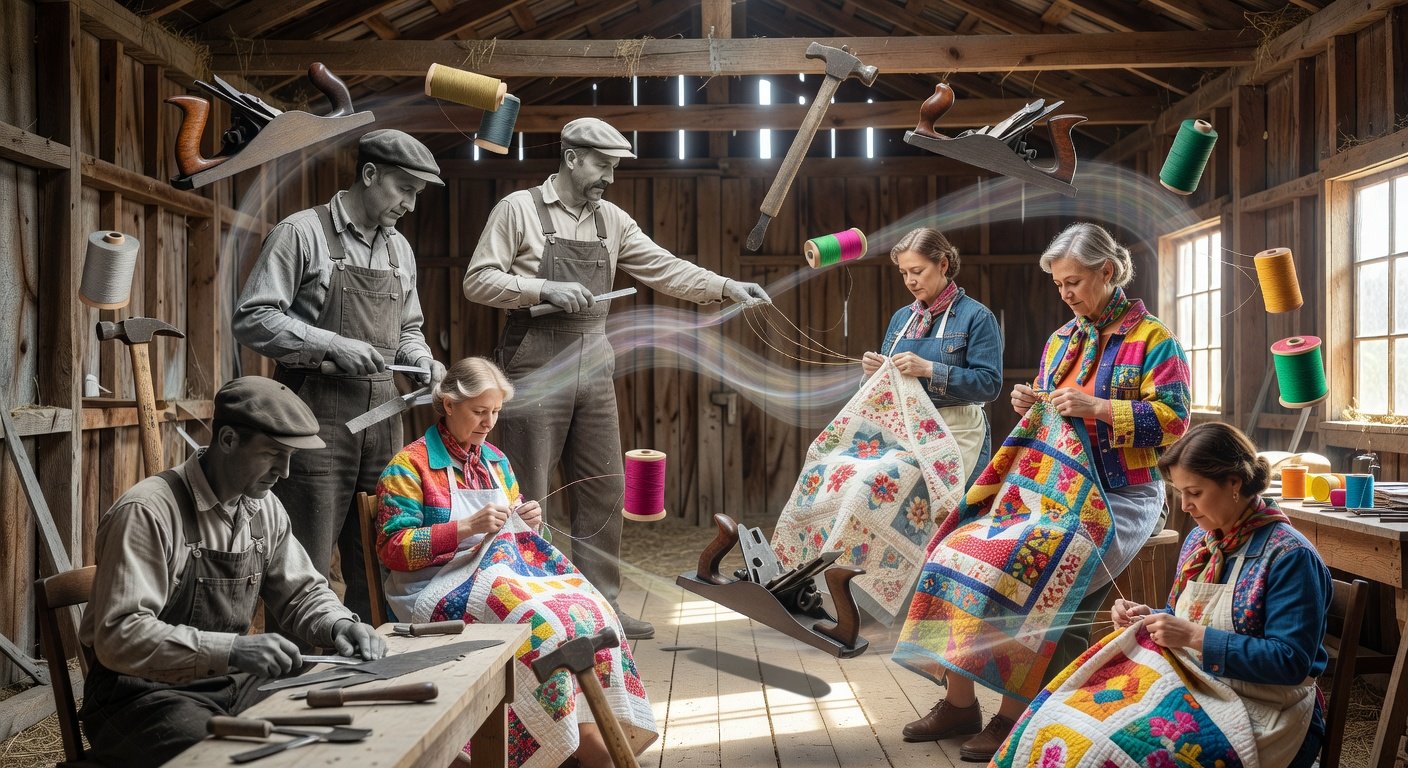
The american folk revival emerged in the early 20th century as a response to industrialization, drawing people back to rural traditions and handmade goods. Rooted in Appalachian and New England communities, it celebrated vernacular arts like quilting, woodworking, and pottery passed down through generations. Influenced by figures such as John Lomax, who documented folk songs, and organizations like the Southern Highland Handicraft Guild founded in 1930, this movement preserved cultural heritage amid urban expansion. Workshops and fairs became hubs where artisans shared techniques, fostering a sense of community and authenticity. Today, this revival underpins craft education by emphasizing hands-on learning from masters, much like the immersive sessions at Vermont’s Fletcher Farm. By reviving forgotten skills, it countered mass production, promoting sustainability and personal expression in crafting. This foundation continues to inspire adult learners seeking depth in their practice, blending history with contemporary application in structured classes.
Key Influences from the American Folk Revival on Modern Workshops
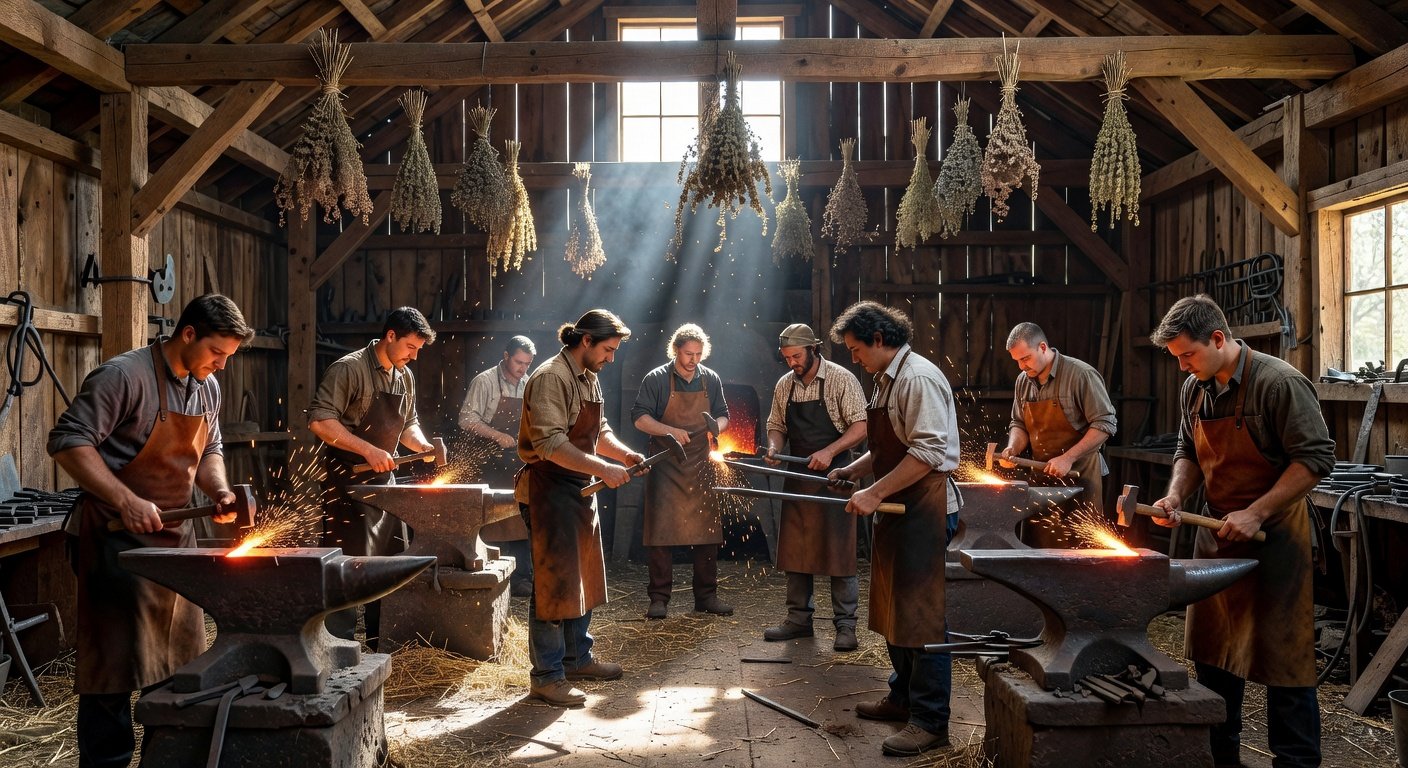
During the 1930s and 1940s, the american folk revival gained momentum through federal programs like the Works Progress Administration, which employed artists to teach crafts in rural areas. This era highlighted the value of oral traditions and intuitive methods over formal training, shaping how craft schools operate today. In New England, places like the Haystack Mountain School of Crafts drew from these ideals, offering intensive residencies where participants live and work alongside instructors. The revival’s focus on regional materials—such as Vermont maple for carving or local clays for pottery—encourages educators to prioritize site-specific practices. Contemporary programs at Fletcher Farm echo this by featuring instructors who embody folk traditions, teaching basketry or blacksmithing in ways that honor historical techniques while adapting to modern needs. This approach builds skills through repetition and mentorship, creating lasting proficiency rather than quick projects. As a result, adult makers find renewed purpose in crafts that connect them to America’s cultural roots.
Role of Community Gatherings in the Revival
Community events were central to the american folk revival, serving as informal classrooms for skill-sharing among neighbors and travelers. Festivals in places like Berea, Kentucky, showcased spinning wheels and looms, inspiring participants to adopt these crafts in their daily lives. These gatherings emphasized collaboration, where elders guided younger makers without rigid curricula, a model still evident in today’s craft retreats. At Fletcher Farm in Vermont, weekend workshops mimic this spirit, gathering serious adults for guided immersion in felting or chair caning. Such settings allow for organic learning, where questions arise naturally during the process. This revival-era practice counters isolated hobbying, instead building networks that sustain interest long-term. By fostering dialogue between novices and experts, these events ensure traditions evolve while remaining grounded in authenticity, appealing to those seeking meaningful engagement beyond superficial tutorials.
How the American Folk Revival Informs Craft School Curricula
Craft school curricula today owe much to the american folk revival’s emphasis on holistic education, integrating technique with cultural context. Instructors often begin sessions with stories of historical makers, linking past practices to present-day applications, as seen in programs exploring Shaker furniture design. This narrative approach deepens appreciation, motivating learners to invest time in mastering complex skills like timber framing or natural dyeing. Vermont-based schools, influenced by New England revivalists, incorporate seasonal elements, teaching foraging for dyes in fall workshops. Fletcher Farm exemplifies this by curating classes that blend revival traditions with innovation, such as adapting colonial weaving for sustainable fabrics. The revival’s legacy promotes small-group instruction, allowing personalized feedback that accelerates growth. For adult makers, this structure transforms crafting from leisure to a profound pursuit, echoing the revival’s goal of cultural preservation through active participation. Ultimately, it equips students with tools for lifelong creativity rooted in heritage.
Preserving Techniques Through Expert Instruction
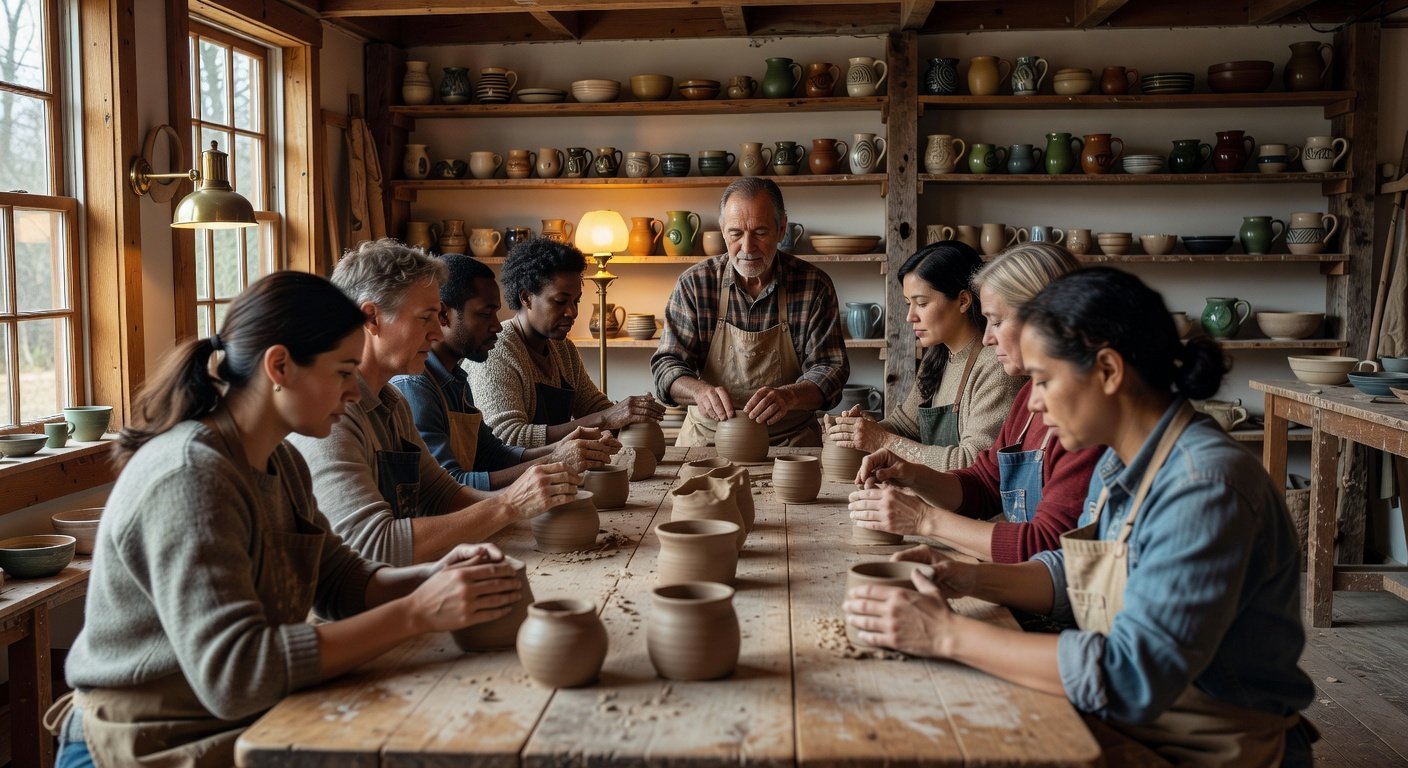
Expert instruction lies at the heart of how the american folk revival shapes craft education, prioritizing transmission from seasoned practitioners to eager students. Revival pioneers like Mary Ella Walton established guilds that formalized apprenticeships, a system mirrored in modern folk schools where certified artisans lead classes. At Fletcher Farm, instructors with decades of experience in areas like glassblowing share nuanced methods, from tool handling to material selection, ensuring accuracy in traditional forms. This direct lineage prevents dilution of skills, as learners absorb not just how-to but the why behind each step. In New England settings, classes often occur in historic barns or studios, enhancing immersion and sensory learning. Such environments replicate revival-era workshops, where physical labor builds muscle memory alongside intellectual understanding. For serious adult makers, this method yields confidence in producing heirloom-quality work, sustaining the revival’s ethos of enduring craftsmanship amid fleeting trends.
Contemporary Impacts of the American Folk Revival in New England
In New England, the american folk revival’s echoes resonate strongly in craft education, particularly through institutions that blend history with forward-thinking pedagogy. Vermont’s landscape, with its forests and farms, provides ideal backdrops for workshops reviving skills like coopering or herbalism. Fletcher Farm stands as a beacon, offering courses that draw from revival collections at places like the Shelburne Museum, where artifacts inspire hands-on replication. Modern adaptations include eco-friendly twists, such as using reclaimed wood for sculpture, aligning with the revival’s anti-industrial stance. These programs attract adults from across the region, creating vibrant communities that extend learning beyond class time through follow-up events. The revival’s influence also promotes accessibility, with scholarships echoing WPA initiatives to include diverse participants. This ongoing dialogue between past and present enriches craft education, making it a vital force for personal and communal growth in an era of digital distractions.
Sustainability Lessons from Revival Practices
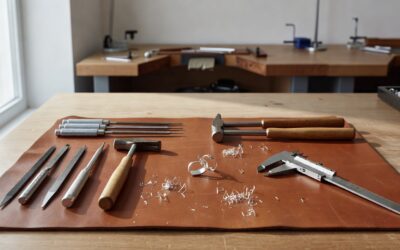
Sustainability forms a core tenet of the american folk revival, teaching craft educators to value resourcefulness and minimal waste. Artisans of that time repurposed materials, crafting from scraps in ways that modern workshops now teach as zero-waste techniques. At Fletcher Farm, classes in leatherworking emphasize full-hide utilization, drawing from revival journals that document frugal methods. This approach not only conserves resources but instills ethical awareness in makers, connecting them to environmental stewardship rooted in rural traditions. New England programs highlight local sourcing, like harvesting wool from regional sheep for spinning, reducing carbon footprints. By integrating these principles, craft schools foster a mindset where creation aligns with planetary health. Adult learners leave with practical knowledge that extends to home studios, perpetuating the revival’s legacy of harmonious living through skilled hands. Such education empowers individuals to contribute to sustainable communities, one stitch or carve at a time.
Building Community Through American Folk Revival-Inspired Education
The american folk revival excelled at forging bonds through shared craftsmanship, a principle that bolsters today’s craft schools by prioritizing social interaction. Group projects, like communal quilt-making, mirrored revival barn-raisings where collective effort yielded both product and connection. Fletcher Farm workshops replicate this, with participants collaborating on large-scale pieces that require diverse skills, enhancing mutual respect and inspiration. In Vermont’s close-knit setting, these classes often spill into meals and discussions, deepening relationships among makers. This communal aspect counters modern isolation, offering spaces where adults recharge through creative exchange. Revival influences also encourage mentorship circles, where graduates return as assistants, creating cycles of knowledge. Such structures ensure the movement’s spirit endures, transforming individual pursuits into collective heritage. For those seeking more than solitary hobbies, this education model provides belonging, rooted in the revival’s celebration of human ingenuity and cooperation.
Frequently Asked Questions
What started the american folk revival?
The american folk revival began in the early 1900s as a cultural pushback against industrialization, focusing on preserving rural arts like music, storytelling, and crafts. Collectors like John and Alan Lomax recorded traditions, while guilds formed to teach skills, laying groundwork for hands-on education that influences schools today.
How does the american folk revival affect craft workshops now?
It shapes workshops by emphasizing expert-led, immersive learning of traditional techniques in community settings. Places like Fletcher Farm use this model for adult classes in pottery and weaving, blending history with practice to build deep skills and cultural appreciation.
Why focus on New England in american folk revival education?
New England, especially Vermont, was a revival hotspot due to its rural heritage and artisan communities. Schools here draw on local materials and history for authentic experiences, offering workshops that connect learners to regional traditions like Shaker crafts.
Can the american folk revival inspire sustainable crafting?
Yes, it promotes using local, repurposed materials to minimize waste, a practice echoed in modern classes teaching natural dyes from plants or woodworking from salvaged timber, fostering eco-conscious habits among adult makers.
Ready to Take Action?
If the american folk revival’s traditions resonate with your crafting goals, consider enrolling in a hands-on workshop at Fletcher Farm. Our Vermont-based classes connect you with expert instructors for immersive learning in traditional skills—explore upcoming sessions and reserve your spot today.