Understanding the Folk School Workshop Experience
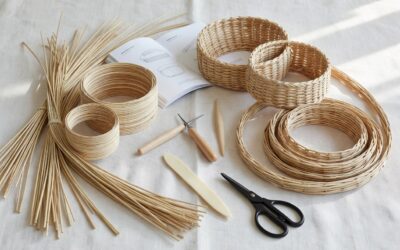
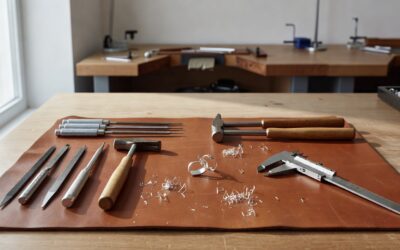
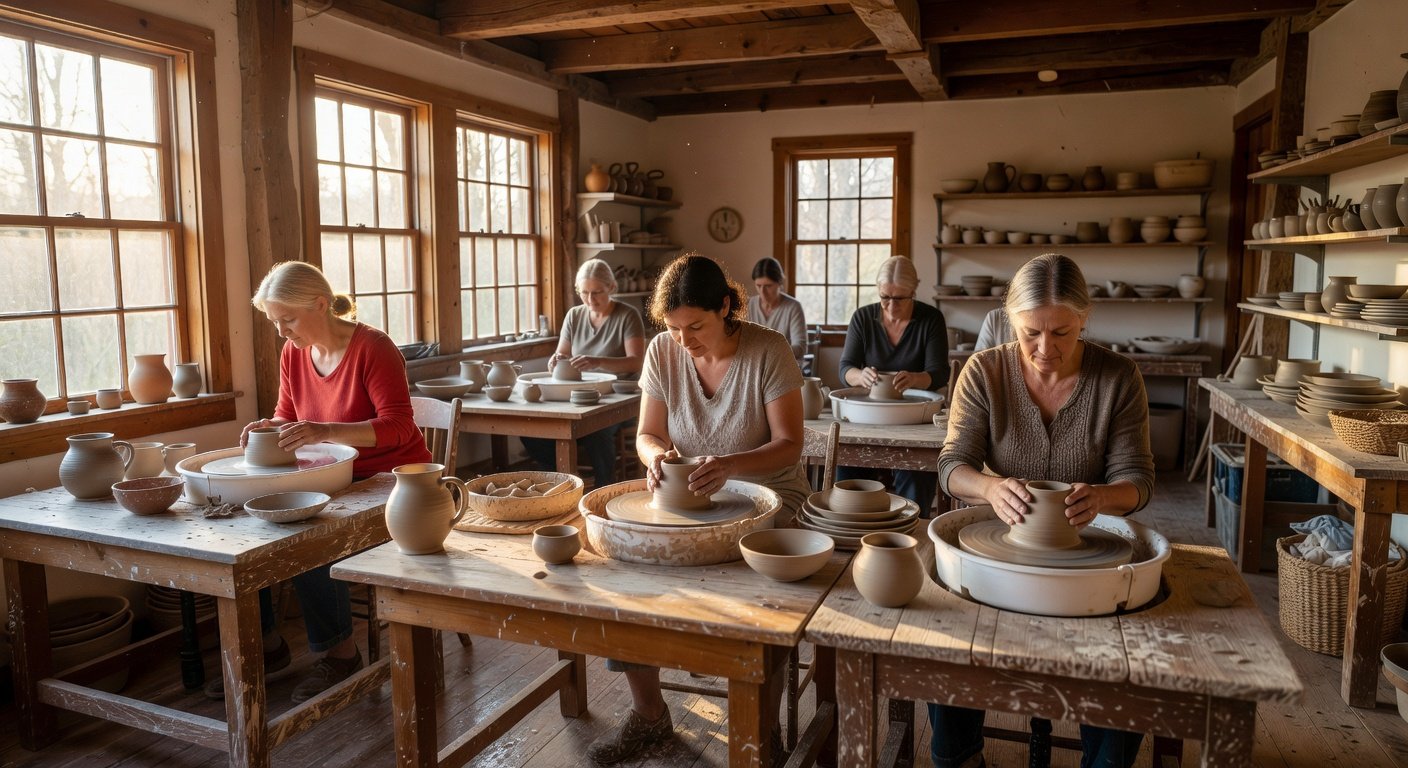
Folk school workshops for adults represent a unique educational tradition that combines hands-on learning with immersive cultural experiences. Unlike conventional classroom settings, these programs emphasize traditional crafts and skills passed down through generations, creating an environment where students work directly with master artisans in small, intimate groups. The folk school movement originated in Denmark during the 19th century and has flourished across North America, particularly in regions like Vermont and New England where craft traditions run deep. Participants typically spend several days to weeks learning everything from blacksmithing and pottery to fiber arts and woodworking, often staying on campus to fully embrace the communal learning atmosphere.
The appeal of folk school workshops extends far beyond skill acquisition. These programs offer adults a chance to disconnect from digital distractions and reconnect with the satisfaction of creating something tangible with their hands. Many participants describe the experience as transformative, providing not just technical knowledge but also a deeper appreciation for traditional craftsmanship and sustainable practices. The small class sizes, typically ranging from six to twelve students, ensure personalized attention from instructors who are often practicing artisans themselves. This intimate setting fosters meaningful connections between students and creates a supportive learning environment where mistakes become valuable teaching moments rather than sources of frustration.
What Makes Folk Schools Different from Other Educational Options
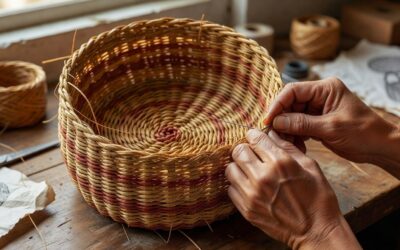
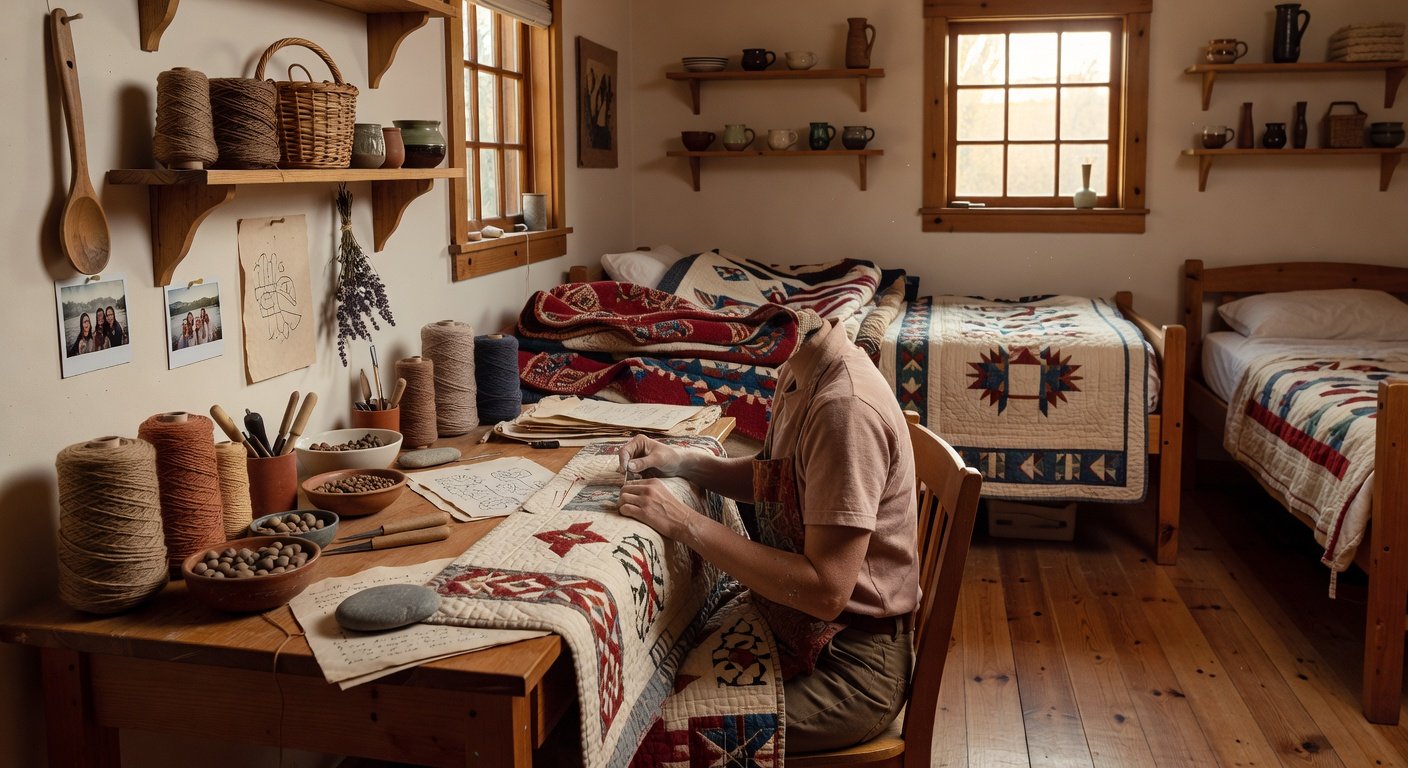
Folk schools distinguish themselves from community colleges, art centers, and online platforms through their holistic approach to education. While other institutions might focus solely on technique, folk schools emphasize the cultural and historical context of traditional crafts. Students learn not just how to weave a basket or forge a horseshoe, but why these skills developed, how they served communities, and what role they play in preserving cultural heritage. The residential aspect of many programs creates an immersive experience where learning continues beyond formal class hours through shared meals, evening demonstrations, and informal conversations with fellow craft enthusiasts. This comprehensive approach helps adults develop both technical proficiency and a deeper understanding of their chosen craft’s place in human history.
Identifying Your Learning Goals and Skill Level
Before exploring specific folk school workshops for adults, honest self-assessment of your current abilities and desired outcomes proves essential for selecting appropriate programs. Beginners should seek workshops explicitly designed for novices, which typically focus on fundamental techniques and tool familiarization rather than advanced projects. Intermediate students might benefit from programs that build upon existing knowledge while introducing new methods or materials. Advanced practitioners often prefer workshops led by renowned master craftspeople who can share specialized techniques and trade secrets developed over decades of practice. Consider whether you want to explore a completely new craft, deepen existing skills, or learn specific techniques that complement your current abilities.
Your learning goals should also encompass the type of experience you seek beyond technical instruction. Some adults prefer intensive weekend workshops that provide a taste of various crafts, while others commit to week-long or even month-long programs that allow for substantial project completion. Consider whether you learn best through structured curriculum or prefer more flexible, project-based approaches. Think about your physical capabilities and any limitations that might affect your craft choices—woodworking requires different physical demands than jewelry making, for example. Additionally, reflect on your available time for practice between workshops, as some crafts benefit from regular reinforcement while others can be picked up again after extended breaks.
Assessing Your Commitment Level and Available Time
Time commitment represents a crucial factor in choosing appropriate folk school workshops for adults, as programs range from single-day experiences to month-long intensives. Weekend workshops typically provide introductory exposure to new crafts, allowing participants to sample different disciplines before making deeper commitments. Week-long programs offer more comprehensive instruction and time for meaningful project completion, while extended residencies enable students to achieve significant skill development and create substantial pieces. Consider your work schedule, family obligations, and financial resources when evaluating time commitments. Many folk schools offer programs during different seasons, with summer intensives being particularly popular but also more competitive for enrollment.
Researching and Evaluating Folk School Options
Effective research begins with identifying reputable folk schools within your geographic reach or desired travel distance. Vermont’s rich craft tradition has produced several excellent institutions, including the Vermont Folk Life Center and various craft schools throughout New England that maintain strong reputations for quality instruction. When evaluating potential schools, examine their history, accreditation status, and instructor credentials carefully. Established institutions typically maintain detailed websites showcasing instructor biographies, sample student work, and comprehensive course descriptions. Look for schools that employ working artisans as instructors rather than solely academic teachers, as practicing craftspeople bring current industry knowledge and real-world experience to their teaching.
Course catalogs and websites provide valuable insights into each school’s philosophy and approach to craft education. Pay attention to class size limits, student-to-instructor ratios, and the level of detail provided in course descriptions. Quality programs clearly outline prerequisites, required materials, expected outcomes, and skill levels appropriate for each workshop. Read testimonials and reviews from former students, but remember that individual experiences can vary significantly based on personal expectations and learning styles. Contact schools directly with specific questions about courses, accommodations, and policies. Responsive, knowledgeable staff often indicates well-managed institutions that prioritize student satisfaction and educational quality.
Evaluating Instructor Qualifications and Teaching Styles
Instructor quality significantly impacts your folk school workshop experience, making thorough evaluation of teaching credentials essential for program selection. Exceptional folk school instructors typically combine extensive practical experience with proven teaching abilities, often demonstrated through years of workshop leadership and positive student feedback. Research potential instructors’ backgrounds, looking for evidence of mastery in their craft through exhibitions, publications, awards, or professional recognition within their field. Many accomplished artisans maintain websites or social media profiles showcasing their work and teaching philosophy, providing insights into their approach to instruction and student interaction.
Practical Considerations for Workshop Selection
Location and logistics play crucial roles in folk school workshop selection, particularly for programs requiring travel and overnight accommodations. Many folk schools offer on-campus housing ranging from dormitory-style rooms to private cabins, while others partner with local bed-and-breakfasts or hotels for student lodging. Consider your comfort preferences and budget when evaluating accommodation options, as housing costs can significantly impact total program expenses. Transportation accessibility matters too—some rural folk schools require rental cars or shuttle services, while others offer pickup services from nearby airports or train stations. Factor in travel time and costs when comparing programs, especially if considering schools in different regions.
Workshop schedules and intensity levels vary considerably between institutions and programs. Some folk schools maintain relaxed paces with ample breaks and social time, while others offer intensive, production-focused experiences with longer daily sessions. Review typical daily schedules and break patterns to ensure compatibility with your learning preferences and physical capabilities. Consider meal arrangements as well—many folk schools provide communal dining experiences that enhance the social aspects of learning, while others require students to arrange their own meals. Kitchen facilities, dietary restrictions, and local restaurant options all influence the overall workshop experience and should factor into your decision-making process.
Understanding Costs and What’s Included
Folk school workshop costs encompass multiple components beyond basic tuition, requiring careful budget planning for the complete experience. Tuition typically covers instruction, basic tool usage, and sometimes materials, but many programs charge separately for specialty materials, advanced tools, or take-home supplies. Accommodation costs vary widely based on room type and meal plans, with shared dormitory spaces being most economical and private rooms commanding premium prices. Additional expenses might include studio fees, firing costs for ceramics, or finishing services for metalwork projects. Request detailed cost breakdowns from schools to avoid unexpected charges and ensure accurate budget planning.
Making the Most of Your Folk School Workshop Experience
Preparation significantly enhances folk school workshop outcomes, beginning with thorough review of pre-workshop materials and recommended reading lists. Many instructors provide suggested resources for background learning, tool familiarization, or design inspiration that can accelerate your in-class progress. Physical preparation matters too—some crafts require sustained standing, repetitive motions, or fine motor control that benefit from advance conditioning. Gather any required personal tools or materials well before departure, allowing time for familiarization and any necessary adjustments or replacements. Create realistic expectations based on course descriptions and your skill level, remembering that folk school workshops emphasize learning processes rather than perfect final products.
Active engagement during workshops maximizes learning opportunities and overall satisfaction with your folk school experience. Ask questions freely, as instructors appreciate curious students who seek deeper understanding of techniques and traditions. Take detailed notes and photographs when permitted, creating references for future practice and project development. Connect with fellow students, as peer learning often provides valuable alternative perspectives and techniques. Many lasting friendships and professional relationships develop through shared workshop experiences. Embrace mistakes as learning opportunities rather than failures—traditional crafts involve considerable trial and error, and experienced instructors use errors as teaching moments to demonstrate problem-solving techniques and alternative approaches.
Continuing Your Craft Education Beyond the Workshop
Folk school workshops serve as launching points for ongoing craft development rather than complete educational experiences. Establish practice routines and project goals before leaving your workshop to maintain momentum and skill development. Many instructors provide resource lists for continued learning, including recommended books, online tutorials, supply sources, and advanced workshop opportunities. Consider supplementing in-person instruction with online platforms like Craftsy or Bluprint, which offer detailed video courses that complement hands-on learning with expert instruction you can review repeatedly. Building a home workshop space, even a modest one, enables regular practice and experimentation between formal learning opportunities.
Frequently Asked Questions
How much do folk school workshops for adults typically cost?
Folk school workshop costs vary widely based on duration, location, and included amenities. Weekend workshops typically range from $200-500, while week-long programs can cost $800-2000 including tuition, materials, and accommodation. Additional costs may include meals, specialty materials, and travel expenses.
Do I need prior experience to attend folk school workshops?
Most folk schools offer workshops for all skill levels, including complete beginners. Course descriptions clearly indicate prerequisite skills and experience levels. Many schools specifically design introductory workshops for adults new to traditional crafts, providing all necessary instruction and tool training.
What should I bring to a folk school workshop?
Required items vary by craft and school, but typically include personal clothing, toiletries, notebooks, and any specified personal tools. Schools provide detailed packing lists with course confirmations. Most basic tools and materials are provided, though some programs require students to purchase take-home supplies.
How far in advance should I register for folk school workshops?
Popular workshops and renowned instructors often fill months in advance, particularly summer programs. Register 3-6 months ahead for best selection, though some schools maintain waiting lists for last-minute openings. Weekend workshops typically have more availability than extended programs.
Can I attend folk school workshops if I have physical limitations?
Many folk schools accommodate students with physical limitations, though specific crafts have different physical requirements. Contact schools directly to discuss accessibility needs and craft modifications. Some crafts like jewelry making require less physical demands than woodworking or blacksmithing.
Ready to Begin Your Folk School Journey?
Finding the right folk school workshop can transform your relationship with traditional crafts and connect you with a community of passionate makers. Whether you’re drawn to fiber arts, woodworking, ceramics, or any other traditional skill, the perfect program awaits your discovery. Take time to research thoroughly, ask questions, and choose workshops that align with your goals and interests. Your hands-on learning adventure in traditional craftsmanship starts with that first application—begin exploring folk school options today and take the first step toward mastering time-honored skills in supportive, inspiring environments.