Why Craft Workshops Portland Appeals to Serious Makers
Craft workshops Portland draws makers who want more than a quick demo or a souvenir project. In both Portland, Maine, and Portland, Oregon, the workshop culture leans toward real skill-building: weaving on floor looms, metalsmithing with torch and hammer, book arts, ceramics, and fiber techniques taught in small groups. For travelers who already value folk-school style learning, that mix of city energy and hands-on instruction makes Portland a strong destination. It also fits neatly into a broader New England craft travel itinerary, especially for readers who already follow Vermont-based workshop traditions and want to compare regional approaches.
What makes these experiences worth the trip is the level of instruction and the quality of the studio environment. Many of the best classes are led by working artists, retired educators, or studio owners who teach with the patience and structure adult learners appreciate. That means clear demonstrations, time for repetition, and enough context to understand not just how a technique works, but why it developed the way it did. For visitors booking through VRBO or planning a longer stay, craft workshops can anchor a weekend or a full creative getaway.
Weaving Workshops That Reward a Longer Stay
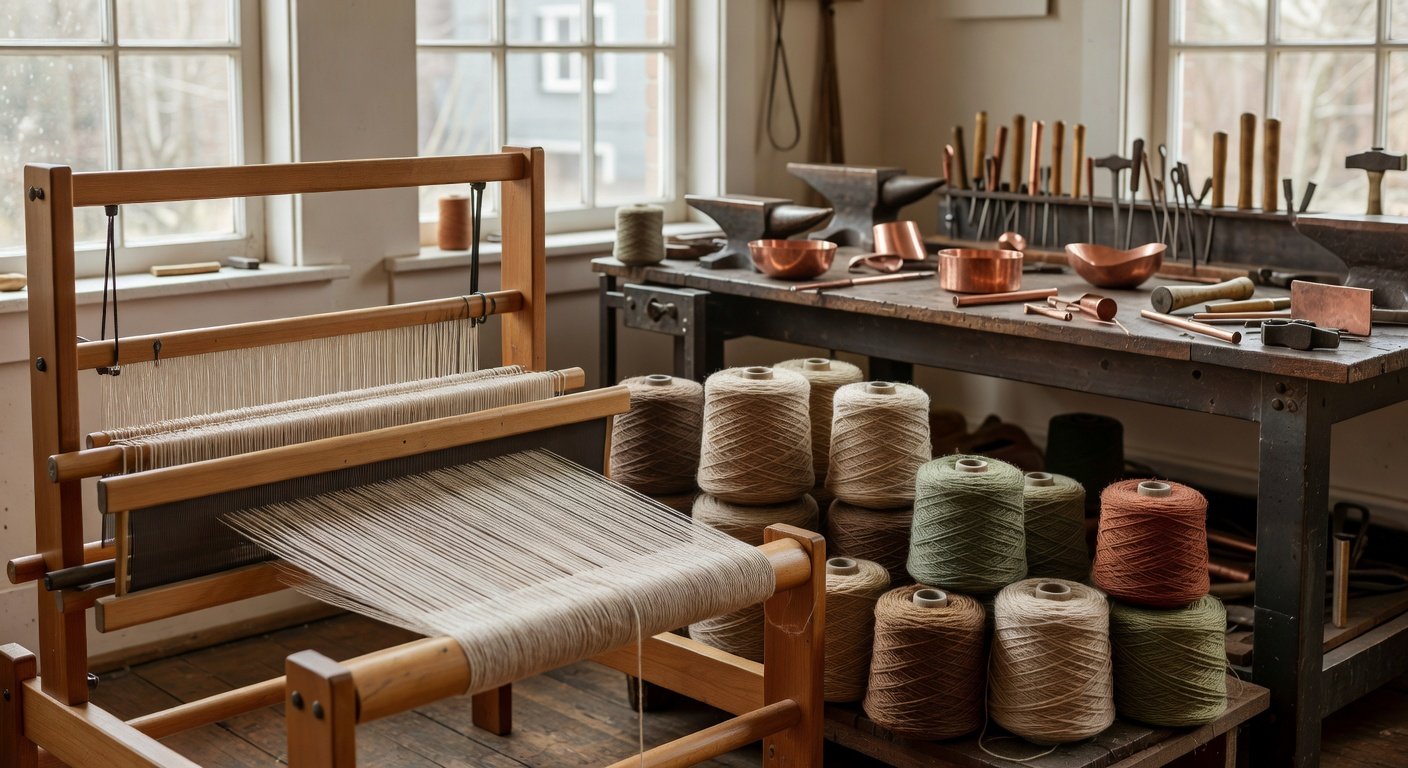
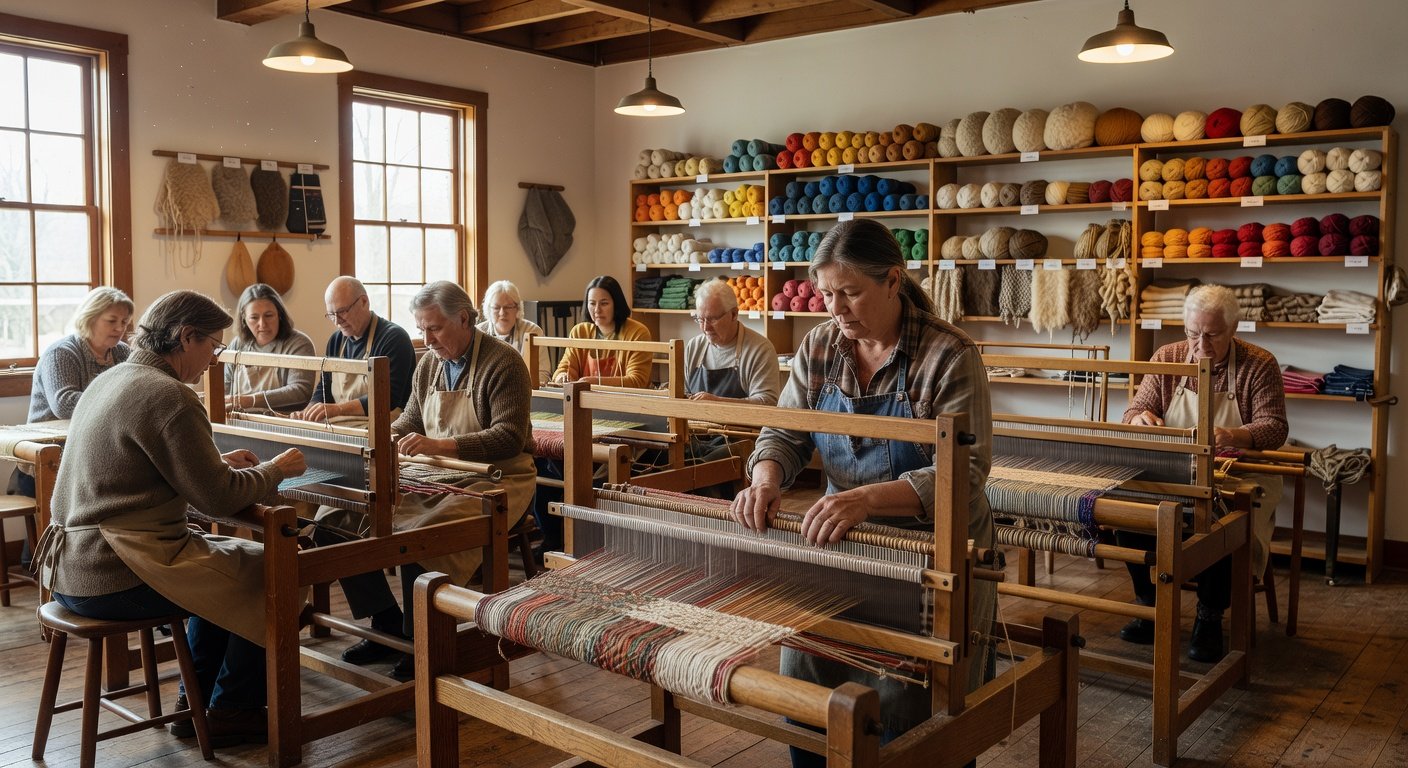
Weaving is one of the most compelling reasons to seek out craft workshops Portland travelers recommend. Instructors in both Portlands often teach on rigid-heddle looms, floor looms, or tapestry frames, giving students a chance to work with structure, color, and texture in a way that feels both meditative and technical. Beginners can learn warping, sett, and weave structure without being rushed, while more experienced makers may focus on pattern drafting, finishing, or fiber selection. The result is a class that produces not just a finished textile, but a deeper understanding of how woven cloth comes together.
For adults who want a serious learning experience, weaving workshops also offer a useful bridge between studio practice and home practice. A good class should leave you with enough confidence to repeat the process later, whether you are setting up a small loom in a Vermont studio or adding a weaving bench to a home workspace. Portland’s maker communities tend to support that kind of progression, with local yarn shops, guilds, and independent studios creating a network around the class itself. That ecosystem matters for travelers who want more than a one-off activity.
What to Look for in a Weaving Class
The strongest weaving classes usually keep enrollment small and materials well organized. Look for workshops that specify the loom type, skill level, and what you will take home, since those details often signal a more thoughtful curriculum. If a class includes warp preparation, color planning, and finishing methods, it is usually designed for adults who want a complete learning arc rather than a casual introduction. In craft workshops Portland visitors should also watch for instructors who explain fiber behavior, tension, and drafting choices, because those concepts help students move beyond copying a pattern and into real textile understanding.
Metalsmithing Classes for Hands-On Skill Building
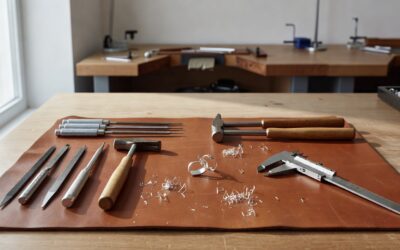
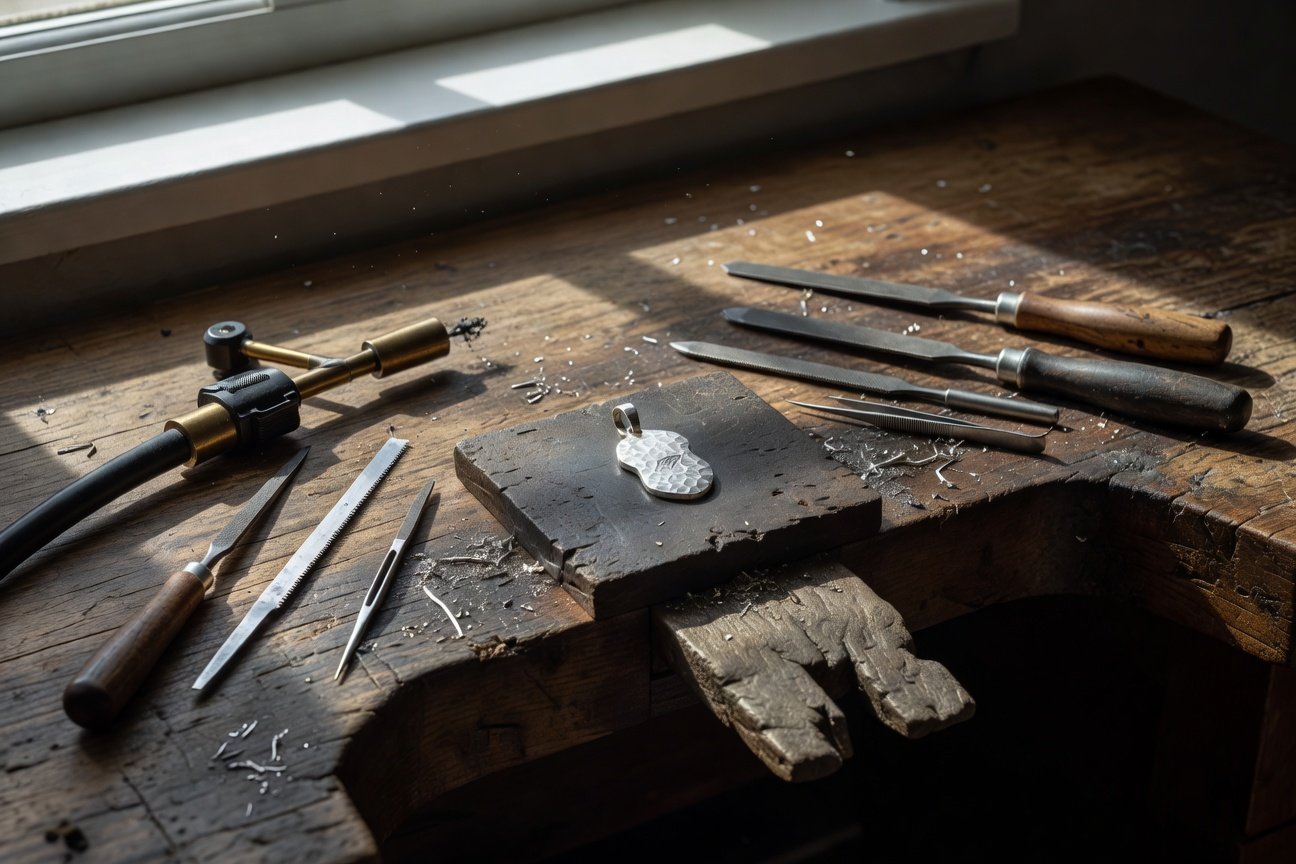
Metalsmithing is another standout category in craft workshops Portland travelers seek out, especially for people who enjoy precise, physical work. These classes may cover soldering, forming, repoussé, stone setting, or surface texture, and the best ones introduce tools gradually so students can build confidence without feeling overwhelmed. A well-run metalsmithing workshop often feels like a compact apprenticeship: you watch, practice, adjust, and repeat until the material starts to make sense in your hands. That rhythm appeals to adult learners who want a structured, studio-based experience with visible results.
Portland’s metalsmithing offerings are especially attractive because they often sit at the intersection of craft tradition and contemporary design. Students may create a ring, cuff, pendant, or small vessel, but the real value is learning how metal responds to heat, pressure, and finishing techniques. For travelers interested in folk-school traditions, that tactile knowledge is part of the draw. It also aligns well with the broader New England craft travel audience, where many readers are looking for workshops that feel rooted, practical, and instructor-led rather than trendy or overly simplified.
How to Choose a Metalsmithing Workshop
When comparing metalsmithing options, pay attention to safety instruction, tool access, and the amount of bench time included. Good workshops explain torch use, ventilation, filing, and polishing before students begin shaping metal. They also give enough time for mistakes, since metalsmithing is learned through correction as much as through demonstration. In craft workshops Portland makers often favor studios that provide quality tools and a clear project outline, because that combination supports both beginners and more advanced students who want to refine specific techniques. If the class description mentions small-group critique or individualized feedback, that is usually a strong sign.
More Portland Craft Workshops Worth Booking
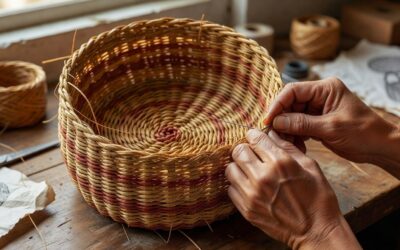
Beyond weaving and metalsmithing, craft workshops Portland visitors can book often include ceramics, bookbinding, printmaking, basketry, and surface design. These classes appeal to travelers who want a broader creative itinerary or who prefer a medium with a strong tactile component. Ceramics workshops may focus on handbuilding or wheel throwing, while book arts classes can cover sewing signatures, cover construction, and paper selection. Basketry and fiber-based classes tend to attract makers who like traditions with deep regional roots, especially when the teaching emphasizes materials, tool handling, and sustainable sourcing.
This variety is part of what makes Portland such a useful craft travel stop. A traveler can spend one day learning an ancient hand skill and another day exploring a contemporary studio practice, all without losing the sense that the work is grounded in real instruction. For readers who follow Fletcher Farm-style programming in Vermont, Portland offers a complementary experience: the same respect for process, but in a different urban and coastal setting. That makes it easy to build a trip around a single class or combine several workshops into a longer creative stay.
How to Plan a Craft Travel Weekend in Portland
A good craft travel weekend starts with the class schedule, then builds outward from there. Many craft workshops Portland visitors choose run for half-days, full days, or multi-session blocks, so it helps to book lodging close to the studio or along a transit-friendly route. VRBO can be useful for travelers who want a quiet place to dry finished work, store materials, or cook between sessions. If you are attending a multi-day workshop, look for a rental with a table, good light, and enough space to unpack tools and notes. That small amount of planning makes the experience feel more like a retreat and less like a rushed class visit.
It also helps to leave room for the rest of the maker ecosystem. Portland’s independent shops, galleries, and supply stores can extend the value of a workshop by giving you a place to compare materials, buy tools, or see how local artists present finished work. If you are traveling from Vermont or elsewhere in New England, that broader context can sharpen your eye and help you decide which techniques are worth pursuing at home. For many makers, the best trip is the one that leaves them with both a finished object and a clear next step.
Booking Tips for Adult Makers
Before booking, read the class description carefully and check whether materials are included, whether tools are shared, and whether the workshop is designed for beginners or returning students. Adult learners often get the most from classes that state expectations clearly and offer enough time for hands-on practice. It is also wise to look for studios with strong cancellation policies and visible instructor credentials. In craft workshops Portland travelers tend to prefer classes that feel studio-based and serious, with enough structure to support real learning and enough flexibility to let students work at their own pace.
Why Portland Fits the Folk School Tradition
Portland’s workshop culture fits the folk school tradition because it treats craft as a skill set rather than a novelty. The best classes emphasize repetition, observation, and material knowledge, which is exactly what adult makers often want when they travel for instruction. That approach will feel familiar to readers who have taken classes in Vermont’s craft schools or in other New England studios, where the emphasis is usually on process, patience, and practical learning. In that sense, craft workshops Portland offers are not just activities to fill a weekend; they are part of a larger educational tradition that values making as a serious form of study.
For travelers, that tradition also creates a more satisfying trip. Instead of leaving with a hastily assembled project, you leave with a technique you can continue developing at home. You may also leave with a better sense of how regional craft communities differ: coastal Maine’s fiber and maritime influence, Oregon’s design-forward studio culture, and Vermont’s enduring folk-school model all shape the way classes are taught. That comparison is part of the appeal for makers who travel with curiosity and a notebook.
Frequently Asked Questions
What kinds of craft workshops are most popular in Portland?
The most sought-after craft workshops Portland offers usually include weaving, metalsmithing, ceramics, printmaking, book arts, and basketry. Adult makers often choose classes that combine strong instruction with substantial studio time, especially when the workshop is taught by an active artist or experienced educator. The best options tend to be small-group, hands-on sessions that focus on real technique rather than quick projects.
Are craft workshops in Portland good for beginners?
Yes, many craft workshops Portland studios offer are beginner-friendly, especially if the class description says no prior experience is required. Look for workshops that explain tools, materials, and safety procedures clearly and that allow enough time for practice. Beginners usually do best in classes with a limited project scope, direct instructor feedback, and all materials included.
How do I choose between Portland, Maine, and Portland, Oregon for a craft trip?
Choose based on the kind of experience you want. Portland, Maine, often appeals to travelers who want a New England craft trip with easy access to coastal culture and a strong folk-school feel. Portland, Oregon, may suit makers who want a larger studio scene and a broader range of contemporary craft options. Both cities offer serious workshops, so the best choice depends on your travel route and preferred medium.
Can I book a craft workshop and lodging together for a Portland trip?
Yes. Many travelers pair workshop bookings with a VRBO stay or another short-term rental, especially for multi-day classes. That setup can be helpful if you need space for materials, finished work, or quiet time between sessions. Some travelers also use experience platforms such as GetYourGuide when they want to compare class options and schedule a creative weekend efficiently.
Ready to Plan Your Next Craft Trip?
If craft workshops Portland is on your list, start by choosing the medium you most want to study and build the trip around that class. Whether you are drawn to weaving, metalsmithing, or another hands-on tradition, Portland offers a strong setting for serious adult learning. Explore workshop calendars, compare instructors, and pair your class with a comfortable stay so the experience feels unhurried and rewarding.