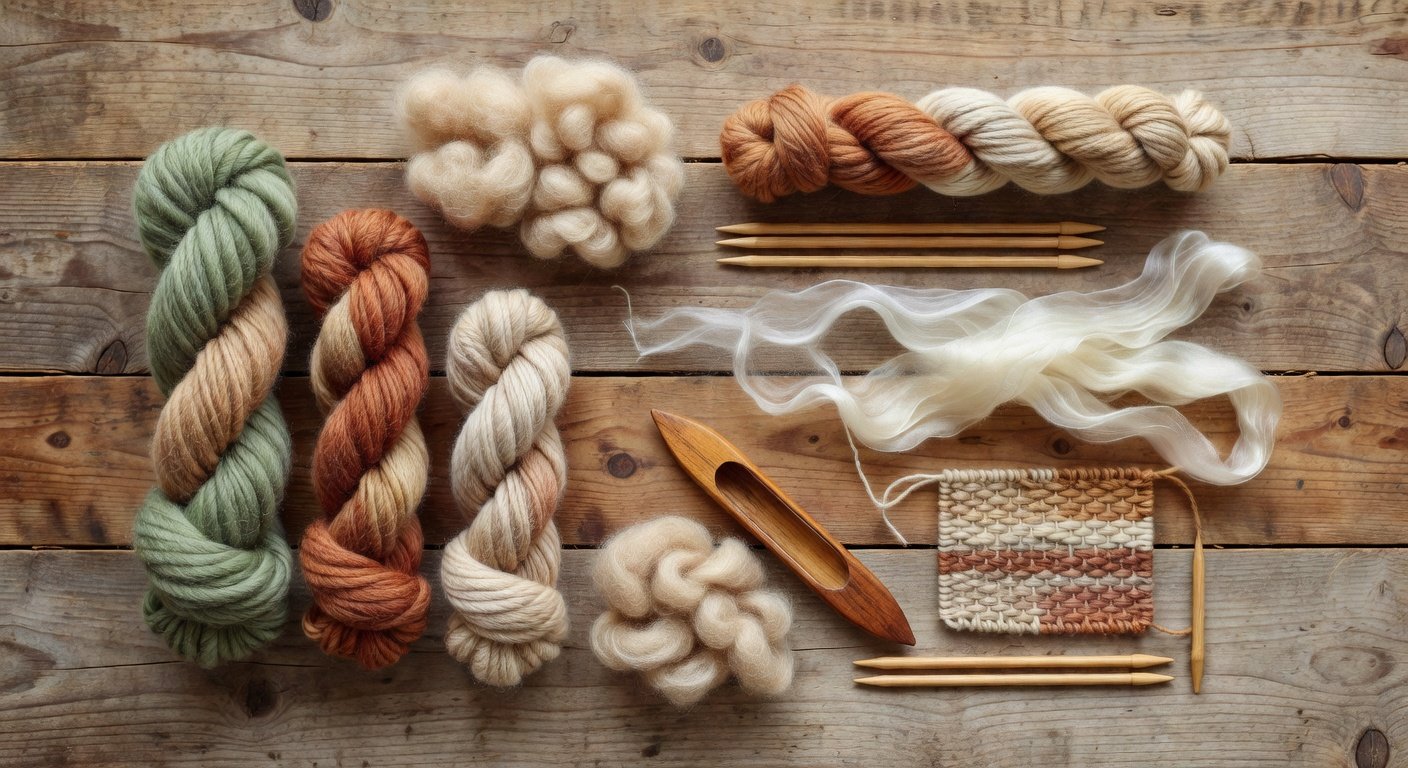
Understanding Your Fiber Arts Supply Needs
Finding the right fiber arts supply sources requires understanding what you’re actually looking for. Whether you’re a weaver sourcing linen warps, a knitter seeking heritage breed wools, or a fiber artist exploring natural dyes, your material needs will shape where you shop. Quality matters enormously in fiber work—a poorly constructed shuttle or low-twist yarn can undermine months of careful work. The fiber arts community has evolved significantly, with serious makers now able to source materials from specialty retailers that didn’t exist a decade ago. This guide focuses on sources that cater to adult makers committed to traditional techniques and quality outcomes, reflecting the standards you’d encounter at a folk school or craft workshop.
The fiber arts supply landscape divides into several distinct channels: brick-and-mortar specialty shops, national craft retailers, online marketplaces, and direct-from-maker sources. Each serves different purposes. A local yarn shop provides immediate tactile feedback and expert staff guidance. National retailers offer broad selection and consistent pricing. Online platforms connect you with indie dyers and small producers whose work might never reach physical shelves. Direct relationships with fiber farmers and mills give you access to materials at their source. Understanding these channels helps you build a sourcing strategy that balances convenience, quality, cost, and community values.
Specialty Yarn and Fiber Shops: Local Expertise
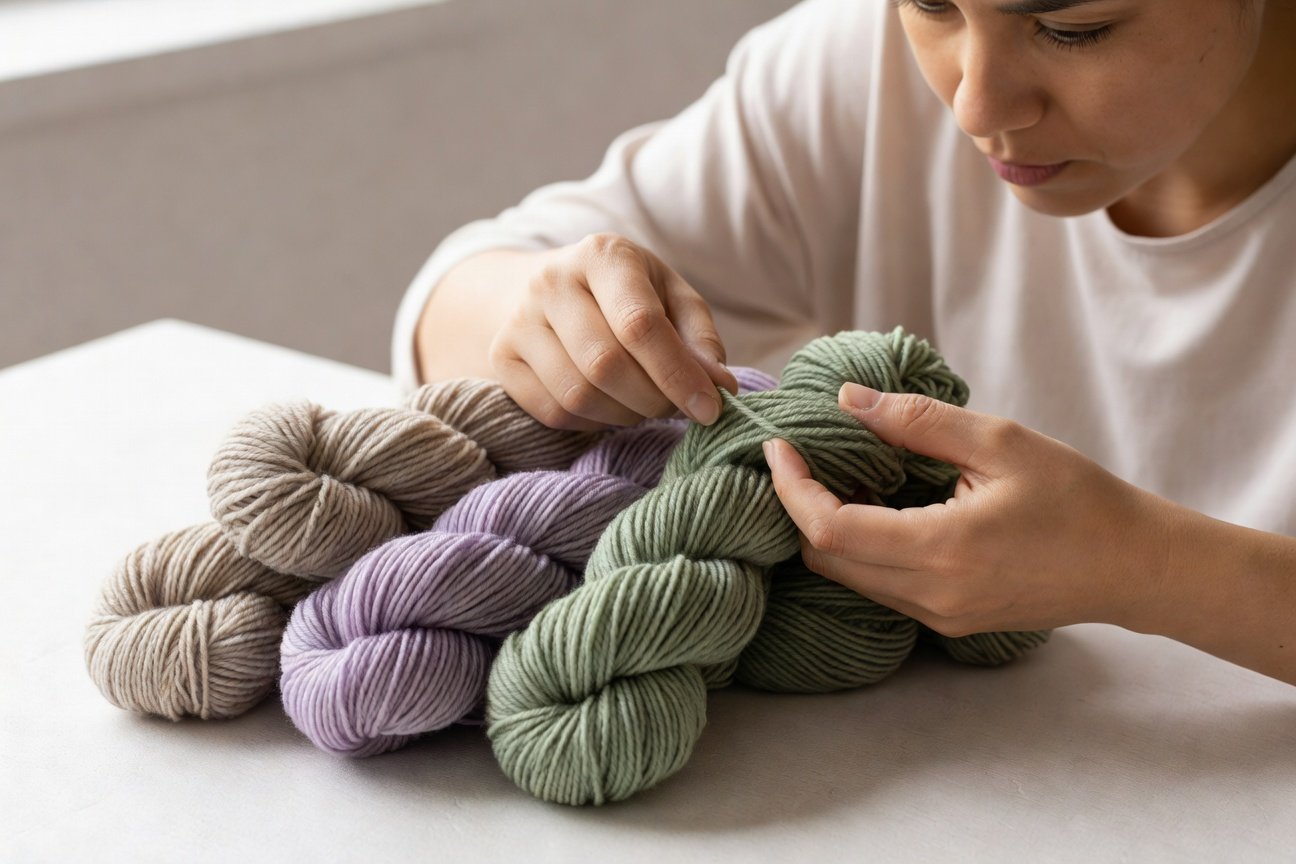
Independent yarn shops remain invaluable resources for serious fiber artists, particularly for their specialized knowledge and curated selections. These retailers typically stock yarns from respected mills and small producers, often including regional makers. The staff at quality yarn shops understand fiber content, yardage calculations, gauge relationships, and the particular demands of different techniques. Many shops host classes, workshops, and community events that connect makers with instruction and each other. When you visit a local fiber arts supply shop, you’re accessing expertise that online retailers simply cannot replicate. You can feel yarn in your hands, assess color accuracy in natural light, and receive personalized recommendations based on your specific project requirements and skill level.
Finding a quality local shop requires some research. Look for retailers that stock multiple yarn weights and fiber types, maintain relationships with respected mills, and employ knowledgeable staff. Ask other fiber artists in your area for recommendations. Check online reviews, but weight personal recommendations heavily—online reviews often come from casual crafters rather than serious makers. Many quality shops now maintain online ordering systems, allowing you to purchase remotely while still supporting local businesses. New England and Vermont have particularly strong networks of specialty fiber shops, reflecting the region’s deep craft traditions. These shops often become community hubs where makers exchange knowledge, troubleshoot projects, and develop relationships that extend far beyond individual transactions.
National Craft Retailers: Breadth and Convenience
National retailers like Joann Fabrics and Craft Stores offer significant advantages for fiber artists seeking broad selection and consistent availability. These retailers stock yarn, tools, and materials from major manufacturers, providing reliable access to quality brands like Caron, Red Heart, and Lily Sugar and Cream at competitive prices. Their physical locations allow you to examine materials in person and take advantage of frequent sales and coupons that can substantially reduce costs. Many locations now employ staff trained in fiber arts techniques, and some host in-store classes and demonstrations. For makers on budgets or those living in areas without specialty shops, national retailers provide essential access to quality materials and tools.
The trade-off with national retailers involves selection depth versus breadth. While Joann carries extensive yarn selections, the curated expertise of specialty shops is absent. Their focus on volume sales means they may not stock heritage or artisanal fibers that serious makers prize. However, for standard tools—needles, hooks, shuttles, bobbins, and looms—national retailers offer reliable options at reasonable prices. Their return policies and customer service infrastructure provide security for larger purchases. Savvy makers use national retailers strategically: sourcing commodity items and tools there while reserving specialty shops for fiber selection and technical guidance. This hybrid approach maximizes both cost efficiency and access to quality materials.
Online Marketplaces: Indie Dyers and Specialty Producers
Etsy has fundamentally transformed how fiber artists access materials from independent producers. Thousands of indie dyers, small mills, and specialty fiber suppliers now reach global audiences through the platform. This democratization of distribution means you can source hand-dyed yarns, naturally colored fibers, and experimental blends directly from makers who understand their materials intimately. Many indie dyers offer custom colorways, allowing you to commission materials specifically for your projects. The platform’s review system and maker profiles help you assess quality and reliability. Shopping on Etsy supports small businesses and often connects you with makers who are themselves serious fiber artists, ensuring deep knowledge of their products.
Amazon has also become a significant fiber arts supply source, particularly for tools, accessories, and specialty items. You’ll find everything from weaving looms to drum carders to natural dyes available through Amazon’s extensive network. The platform’s return policies and Prime shipping offer convenience, though quality varies significantly. Read reviews carefully and check seller ratings before purchasing. Amazon works well for commodity items and tools where quality is standardized, but for fiber selection, specialty retailers and Etsy typically offer better curation. Many serious makers use Amazon primarily for supplies and tools while sourcing fibers through more specialized channels. The key is understanding each platform’s strengths and using them strategically within your overall sourcing approach.
Evaluating Indie Dyers and Small Producers
When sourcing from indie dyers and small producers, take time to evaluate their work and reliability. Review their portfolio of finished projects and colorway names—these reveal their aesthetic sensibility and technical skill. Read customer reviews thoroughly, looking for comments about color accuracy, fiber quality, and customer service. Check their production timeline; quality indie dyers often have waiting lists because they work in small batches. Examine their fiber sourcing practices—do they use superwash treatments, chemical dyes, natural dyes, or blends? Understanding their methods helps you assess whether their materials align with your values and project requirements. Many indie dyers provide detailed fiber content information, yardage, and care instructions that rival or exceed what commercial mills offer.
Direct-from-Mill and Fiber Farmer Sources
For serious fiber artists, sourcing directly from mills and fiber farmers offers unparalleled access to quality materials and deep knowledge. Many American mills and fiber farms now sell directly to makers through websites and at fiber festivals. This direct relationship eliminates middlemen, often reduces costs, and connects you with people who understand every stage of fiber production. You learn about fiber origins, processing methods, and the specific qualities that make certain materials suited to particular techniques. Many mills offer bulk purchasing options, allowing you to source materials at production scale. Fiber farmers often provide raw fleece, roving, and processed fibers, giving you control over the entire production chain from animal to finished yarn.
Finding direct sources requires research and often involves attending fiber festivals and maker markets. The New England Fiber Arts Festival and similar regional events bring together mills, farmers, and producers, allowing you to meet makers, examine materials, and place orders. Many mills maintain email lists and social media presence, announcing new products and special offerings directly to makers. Visiting a mill or farm when possible deepens your understanding of material quality and production methods. These relationships often lead to custom orders and special access to limited materials. For makers committed to understanding their materials completely and supporting traditional production methods, direct sourcing represents the gold standard of fiber arts supply sourcing.
Specialty Tools and Equipment: Where to Find Quality
Quality tools separate casual crafting from serious fiber arts practice. Sourcing reliable needles, hooks, shuttles, looms, and specialized equipment requires knowing where to find tools that will withstand years of regular use. Specialty fiber shops typically stock hand tools from respected makers—wooden needles, bone hooks, and metal shuttles that represent generations of design refinement. These tools cost more than mass-produced alternatives but provide superior performance and longevity. Many specialty retailers can special-order tools from specific makers if they don’t stock them regularly. For larger equipment like looms, many shops maintain relationships with loom makers and can facilitate custom orders or direct purchases.
Online retailers specializing in fiber arts tools offer extensive selections and detailed product information. Websites dedicated to weaving, knitting, or spinning provide access to tools from makers worldwide. Reviews and user forums help you understand tool quality and suitability for specific techniques. For expensive equipment like looms, online retailers often provide setup guidance and customer support. Local woodworkers and tool makers sometimes produce fiber arts equipment; connecting with these craftspeople through maker networks can yield custom tools designed specifically for your needs. Investment in quality tools pays dividends through improved work quality and reduced frustration. A well-made shuttle or set of needles becomes a trusted companion for decades of creative work.
Building Your Fiber Arts Supply Strategy
Successful sourcing requires developing a strategy that balances quality, cost, convenience, and values. Most serious makers use multiple sources strategically. You might source primary fibers through specialty shops or indie dyers, tools through a combination of local retailers and online specialists, and commodity supplies through national retailers. Building relationships with shop owners and makers yields benefits beyond individual transactions—you gain access to expertise, advance notice of special materials, and community connections. Many makers find that investing in quality relationships with two or three trusted retailers provides better long-term value than constantly shopping around for the lowest prices.
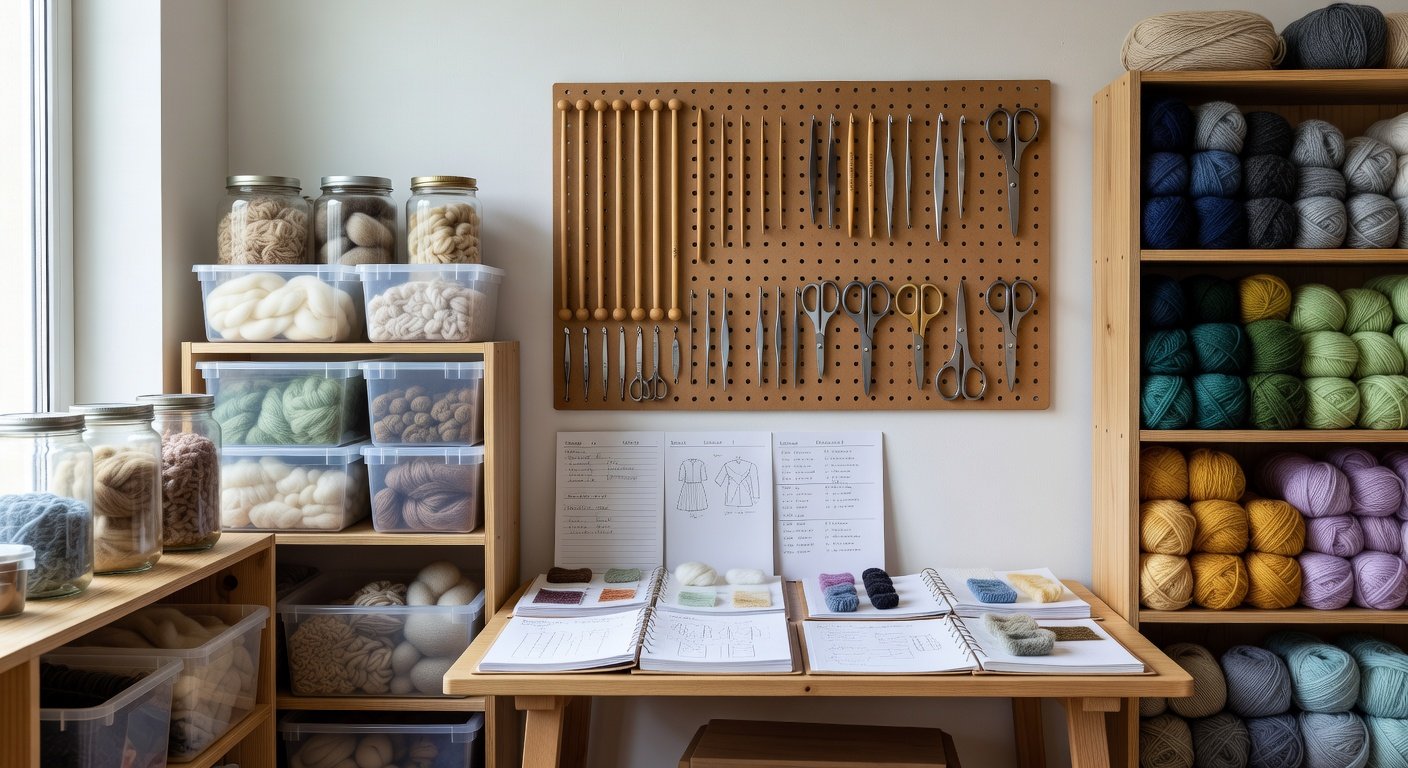
Document your sourcing preferences and build a personal network of reliable suppliers. Keep notes on fiber sources you’ve used, including fiber content, yardage, color accuracy, and performance in finished projects. Track which retailers offer the best selection for your specific interests. Join online communities where fiber artists share sourcing recommendations and discuss material quality. Attend local fiber festivals and markets to discover new sources and deepen existing relationships. This intentional approach to sourcing transforms fiber arts from a transactional activity into a practice grounded in knowledge, community, and quality. You become not just a consumer of materials but a participant in a broader ecosystem of makers, producers, and craftspeople committed to preserving and advancing traditional fiber arts.
Regional Resources for New England Makers
New England’s strong craft traditions and concentration of fiber artists create exceptional sourcing opportunities for regional makers. Vermont and Maine host numerous fiber farms, mills, and specialty retailers that have served makers for generations. The region’s craft education centers, including folk schools and workshop communities, maintain relationships with quality suppliers and often offer discounts to students and alumni. Attending workshops and classes at regional institutions connects you with instructors who share sourcing knowledge and often have direct relationships with material producers. Many New England makers benefit from proximity to established fiber communities where knowledge about suppliers, techniques, and material quality circulates through personal networks.
Regional fiber festivals and markets provide concentrated sourcing opportunities. Events like the New England Fiber Arts Festival bring together producers, retailers, and makers, allowing you to see materials, meet makers, and place orders in person. Many regional mills and farms offer mill tours and direct sales, providing insight into production methods and access to materials at their source. Building relationships with local retailers and makers creates a support network that extends beyond individual transactions. This regional approach to sourcing reflects the folk school tradition of learning from skilled practitioners within established communities. For makers in New England, leveraging these regional resources deepens both your practice and your connection to the fiber arts tradition.
Frequently Asked Questions
What’s the difference between shopping at specialty yarn shops versus big box retailers?
Specialty shops offer curated selections, knowledgeable staff, and access to artisanal fibers, while big box retailers provide broader selection, lower prices, and convenience. Specialty shops excel for fiber selection and technical guidance; big box stores work well for tools and commodity items. Many makers use both strategically, sourcing fibers locally and tools through national retailers.
How do I find quality indie dyers on Etsy?
Review their portfolio, read customer feedback carefully, check production timelines, and examine their fiber sourcing practices. Look for makers with detailed product descriptions, consistent quality across reviews, and aesthetic sensibility that aligns with your work. Many quality indie dyers have waiting lists because they work in small batches.
Is it worth buying directly from mills and fiber farms?
Yes, for serious makers. Direct sourcing eliminates middlemen, often reduces costs, connects you with production knowledge, and provides access to materials at scale. Many mills and farms sell at fiber festivals or through websites. This approach deepens your understanding of material quality and supports traditional production methods.
What tools are worth investing in quality versions?
Hand tools like needles, hooks, and shuttles benefit significantly from quality investment—they last decades and improve work quality. Looms also warrant quality investment for durability and performance. Commodity items like stitch markers matter less, but well-made tools become trusted companions for years of creative work.
How can I support local makers while sourcing fiber arts supplies?
Shop at independent yarn shops, attend local fiber festivals and markets, purchase from indie dyers on platforms like Etsy, and build relationships with regional mills and fiber farms. Many makers offer custom orders and direct sales. This approach supports small businesses while often giving you access to superior materials and expertise.
Ready to Deepen Your Fiber Arts Practice?
Quality materials and expert guidance transform fiber arts from hobby to serious craft. Whether you’re refining your sourcing strategy or beginning your journey as a fiber artist, Fletcher Farm School offers hands-on workshops with master instructors who share knowledge about materials, techniques, and the traditions behind them. Explore our fiber arts classes and connect with a community of makers committed to learning and creating at the highest level. Contact us to discuss which workshops align with your practice and goals.