Why a Basketry Kit Makes Sense for New Weavers
Starting basketry as a beginner can feel overwhelming when faced with the endless choices of materials, tools, and techniques available in the craft world. A thoughtfully curated basketry kit removes much of this friction by bundling everything you need into one cohesive package designed specifically for learning. Rather than hunting down individual spools of reed, trying to guess the right gauge of weaving tools, or second-guessing whether your materials are quality enough to produce satisfying results, a well-designed kit gives you confidence that you’re starting with the right foundation. The best kits include pre-cut or pre-sized materials, clear instructional guidance, and tools that actually work well together—not a random assortment of cheap components that frustrate rather than inspire.
Beyond the practical convenience, purchasing a basketry kit signals a genuine commitment to learning the craft. When you invest in a kit rather than experimenting with loose materials, you’re more likely to follow through with your first project and develop the muscle memory and intuition that make basketry rewarding. Many beginners who try to assemble their own materials end up with leftover supplies that don’t work well together, wasted money on items they didn’t need, and a frustrating first experience that discourages further exploration. A quality kit bypasses these common pitfalls and sets you up for success from your very first weave.
What to Look for in a Beginner Basketry Kit
The foundation of any good basketry kit is the reed itself. Look for kits that include multiple widths of reed—typically a mix of fine, medium, and wider strands—so you can experiment with different weaving patterns and create visual interest in your finished baskets. The reed should be fresh enough to bend without cracking, which means checking whether the kit includes information about harvest date or whether the supplier stores materials in climate-controlled conditions. Pre-soaked or pre-dampened reed is a bonus feature that saves you preparation time, though most quality reed can be quickly soaked in your kitchen sink before use. Avoid kits that skimp on material quantity; you want enough reed to complete your first project with some leftover for practice and experimentation.
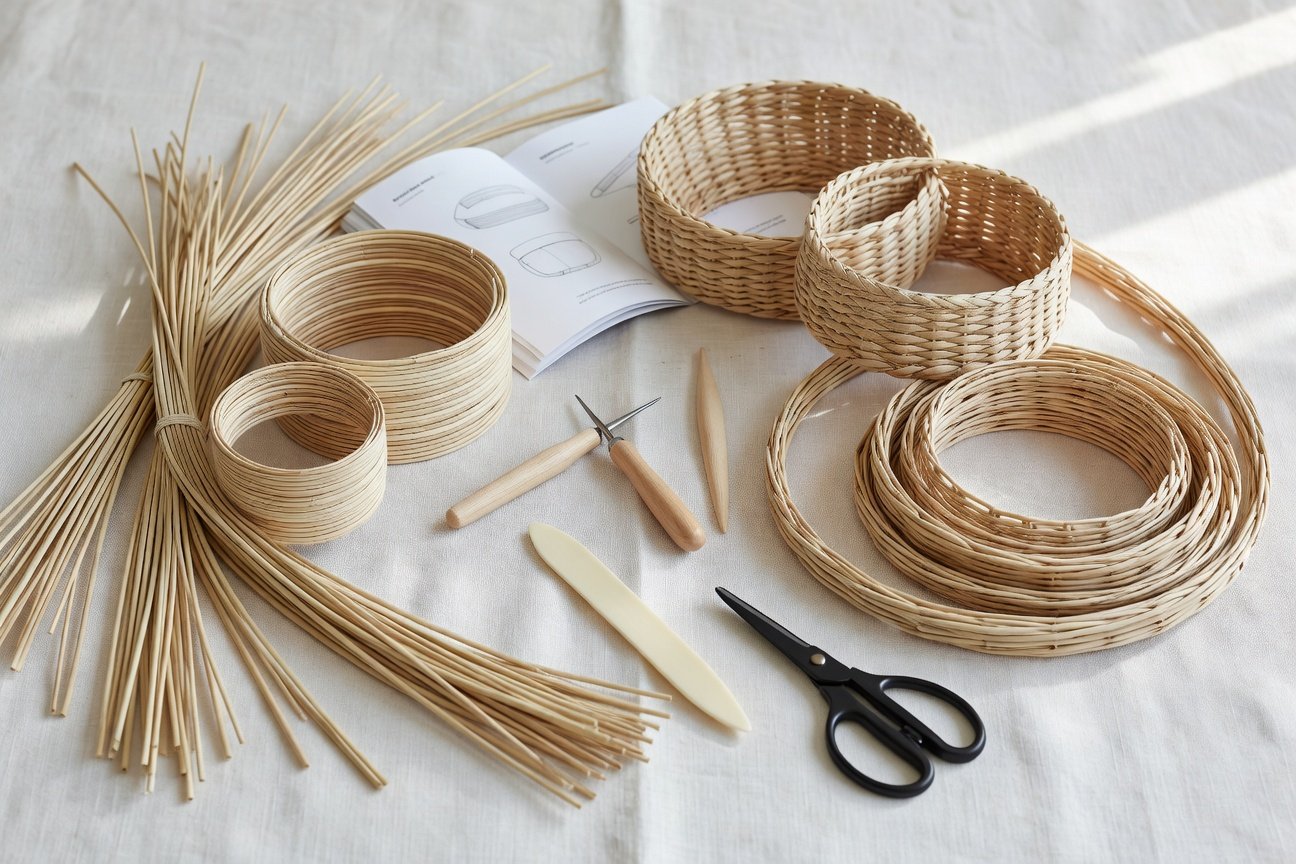
Beyond materials, examine what tools are included and their actual quality. A basketry kit should contain at least a basic weaving needle or awl, shears or scissors capable of cutting reed cleanly, and possibly a bone folder or similar tool for creasing and shaping. These tools don’t need to be professional-grade, but they should be functional enough that you’re not fighting with dull blades or flimsy handles during your learning process. Instructions matter enormously—look for kits that include either printed step-by-step guides with clear photography or access to online video tutorials. The best kits bridge traditional craft knowledge with modern teaching methods, offering both written patterns and visual demonstrations so you can learn in whatever way suits your brain best.
Material Quality and Sourcing
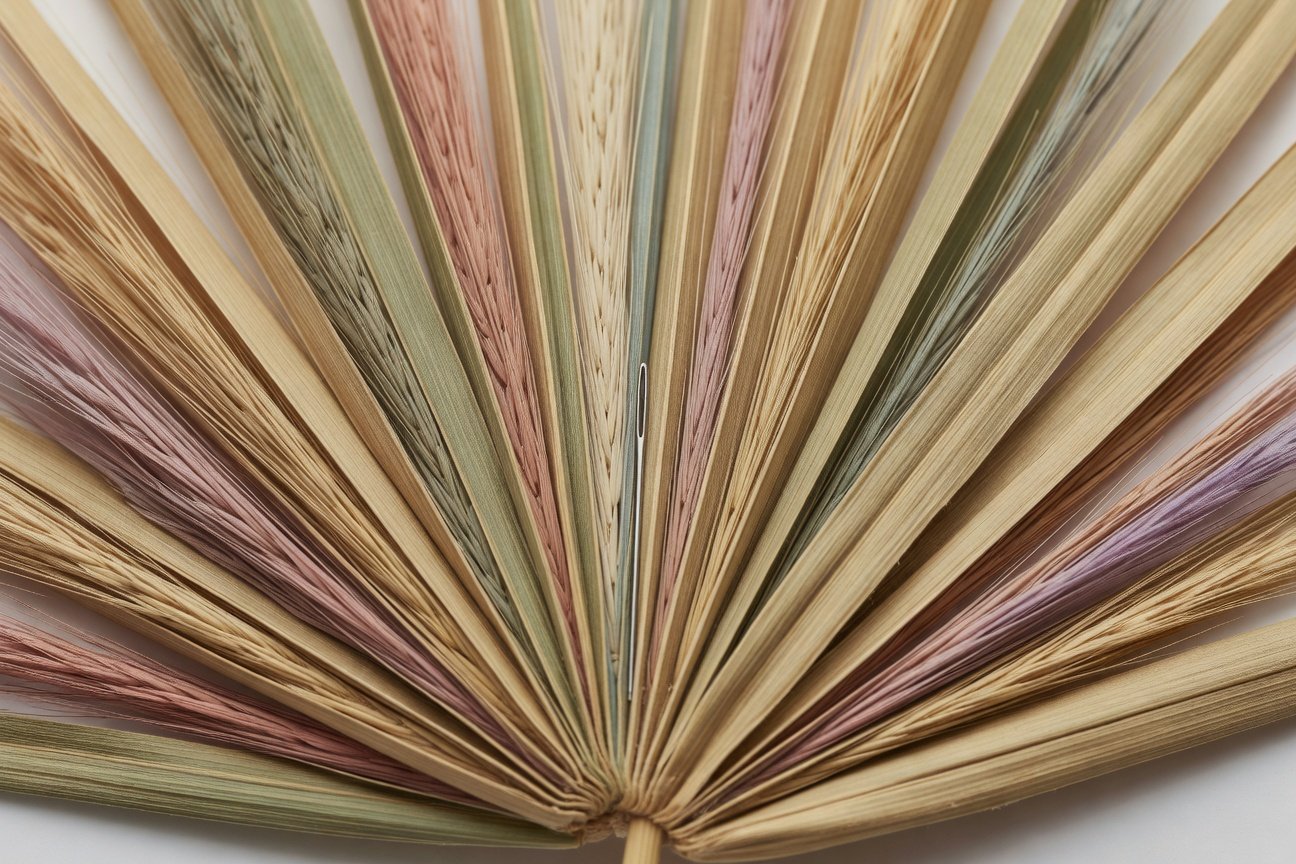
The quality of reed in your basketry kit directly impacts how enjoyable your first weaving experience will be. Premium kits source their reed from suppliers who understand the nuances of harvesting, drying, and storing these materials properly. Reed that’s been stored in humid conditions will be more pliable and forgiving as you learn proper tension; overly dry reed becomes brittle and prone to splitting. Many excellent basketry kits come from suppliers with deep roots in craft education, including folk schools and traditional craft centers throughout New England and beyond. These suppliers often have direct relationships with reed producers and understand exactly what beginning weavers need. When evaluating a kit, check whether the supplier provides any information about reed origin, processing methods, or storage conditions—transparency here usually indicates genuine expertise.
Instruction Quality and Learning Support
A basketry kit is only as good as the guidance that comes with it. The best beginner kits include instructions written by experienced basket makers who remember what it feels like to be new to the craft. Look for instructions that explain not just the mechanical steps of weaving, but also the reasoning behind each technique—why you soak reed, how tension affects your finished basket, what to do when something goes wrong. Many quality kits now include QR codes linking to video demonstrations, which can be invaluable for visual learners. Some suppliers offer email or online community support for kit purchasers, allowing you to ask questions as you work through your first project. This educational component transforms a kit from a simple supply bundle into a genuine learning experience.
Top Basketry Kits for Beginners
Several basketry kits stand out for their thoughtful design, quality materials, and genuine support for beginners. The Coil & Weave Starter Kit has earned consistent praise for including a beautiful mix of natural and dyed reed, along with a comprehensive instruction booklet that walks you through creating a simple round basket. The materials are generous enough to complete the featured project with room for experimentation, and the included tools are functional without being intimidating. Another excellent option is the Basket Weaving Essentials Kit, which focuses on traditional round-base construction and includes pre-measured reed bundles that remove guesswork from material preparation. This kit particularly appeals to learners who prefer following specific patterns rather than improvising. For those interested in exploring different weaving styles, the Versatile Weaver’s Collection includes multiple reed widths and instructions for three different basket styles, giving you more creative flexibility as you develop your skills.
The Coil & Weave Starter Kit
This kit represents an excellent entry point for absolute beginners, offering a balanced combination of quality materials and clear instruction. The reed selection includes fine strands for detail work, medium widths for structural elements, and wider pieces for visual impact—enough variety to create a genuinely attractive finished basket without overwhelming a new weaver with too many choices. The instruction booklet is spiral-bound and laminated, designed to withstand the inevitable water splashes that come with soaking reed. Step-by-step photography shows hand positions and tension points, addressing common beginner mistakes before they happen. The kit includes a bone folder and a quality pair of shears, both tools you’ll continue using if you pursue basketry further. Pricing falls in the moderate range, making it accessible without feeling like a throwaway purchase.
The Basket Weaving Essentials Kit
If you prefer working with precise measurements and following established patterns, this kit delivers exactly what its name promises. Every component is carefully portioned into the exact quantities needed for the featured project, eliminating waste and the decision fatigue that comes with open-ended material choices. The reed is pre-soaked and packaged in sealed bundles, ready to use immediately upon opening the kit. The instruction manual includes a complete pattern with measurements, making this kit ideal for methodical learners who want to understand basketry through structured practice. The included tools are professional-quality despite the kit’s accessible price point, and they’re substantial enough that you’ll want to keep using them for future projects. This kit works particularly well for people who appreciate following recipes in cooking or patterns in knitting—you get clear, achievable results that build confidence for more creative exploration later.
The Versatile Weaver’s Collection
For beginners who want to explore beyond a single project, this more comprehensive kit offers genuine versatility without becoming overwhelming. The reed selection is broader than other beginner kits, including natural, dyed, and specialty materials that let you experiment with color and texture. Instructions for three different basket styles—a simple round base, a more structured rectangular form, and a decorative coiled variation—give you multiple learning pathways within a single kit. This approach suits creative learners who want to understand basketry principles through varied practice rather than perfecting a single technique. The kit includes slightly more advanced tools, including a weaving needle with different gauges, preparing you for more complex work as your skills develop. While priced higher than single-project kits, the Versatile Weaver’s Collection offers better long-term value if you’re genuinely interested in developing basketry as an ongoing craft practice.
Budget Considerations and Value Assessment
Basketry kits range from budget-friendly options under thirty dollars to premium collections exceeding one hundred dollars, and understanding where to invest your money makes a real difference in your learning experience. The least expensive kits often include minimal reed variety and basic tools that may frustrate rather than support your learning. These ultra-budget options sometimes make sense if you’re genuinely uncertain about your commitment level, but they often result in a poor first experience that discourages further exploration. Mid-range kits in the forty to seventy dollar range typically offer the best value for most beginners, providing quality materials and functional tools without unnecessary premium pricing. Premium kits exceeding eighty dollars usually justify their cost through exceptional instruction, sourcing, or inclusion of specialty materials that open creative possibilities.
Rather than focusing solely on price, evaluate value by considering what you’re actually getting. A kit that includes access to online video tutorials, email support from the designer, and enough materials for multiple projects offers better value than a cheaper kit that leaves you confused and frustrated after your first attempt. Consider also whether the kit includes tools you’ll continue using—a quality pair of shears or a well-designed weaving needle becomes part of your permanent toolkit, while cheap tools often end up in a donation pile. If you’re purchasing a basketry kit as a gift for someone genuinely interested in learning, investing in a mid-to-premium option shows that you understand the craft and want to set them up for success.
Preparing to Use Your Basketry Kit
Once your kit arrives, resist the urge to dive immediately into weaving. Instead, spend time familiarizing yourself with the materials and understanding what you’re working with. Examine the reed—notice how it bends, how it feels in your hands, whether different widths have different flexibility. If your kit includes pre-soaked reed, you can begin working right away, but if you’re starting with dry materials, plan to soak them according to the kit’s instructions. Most reed benefits from soaking in room-temperature water for fifteen to thirty minutes, which makes it pliable enough to weave without cracking. Set up a dedicated workspace where you can leave a soaking bucket and have room to work without constantly clearing away materials. A kitchen counter or craft table works perfectly; you don’t need a special studio space to begin learning basketry.
Read through your instructions completely before starting your first weave, even if you’re eager to begin. This preview helps you understand the overall structure and identify any steps that might need clarification. Many beginners benefit from watching instructional videos alongside reading written instructions, absorbing the information through multiple channels. Gather all your tools and materials before you start, so you’re not hunting for scissors or a weaving needle mid-project. Consider setting a realistic timeline—your first basket might take two to four hours depending on complexity and your pace, so plan accordingly rather than rushing through the process. This intentional preparation transforms your first basketry experience from a potentially frustrating scramble into a genuinely enjoyable learning process.
Moving Beyond Your First Kit
Completing your first basketry kit project marks a genuine milestone in your craft journey, and it often sparks questions about what comes next. Many beginners discover that they want to explore more complex weaving techniques, work with specialty materials, or create baskets in different shapes and sizes. The tools and knowledge you’ve gained from your starter kit provide a solid foundation for these explorations. You might find yourself drawn to taking a workshop at a local craft school or folk school, where you can learn directly from experienced instructors and access a wider range of materials than any single kit could provide. Organizations throughout New England, including renowned institutions in Vermont and Maine, offer intensive basketry workshops that deepen your understanding and connect you with a community of fellow weavers. Your starter kit experience becomes the gateway to a richer, more engaged relationship with this ancient craft.

Frequently Asked Questions
What’s included in a typical basketry kit for beginners?
A quality beginner basketry kit includes multiple widths of reed (usually fine, medium, and wide), basic tools like shears and a weaving needle, clear instructions with photographs or video access, and enough materials to complete at least one project. Some kits include pre-soaked reed and bone folders. The best kits provide step-by-step guidance and information about material preparation.
How much should I spend on my first basketry kit?
Mid-range kits between forty and seventy dollars typically offer the best value for beginners, balancing quality materials and tools with reasonable pricing. Budget kits under thirty dollars often result in frustrating experiences, while premium kits exceeding eighty dollars offer additional features that matter more once you’ve developed basic skills. Consider the kit’s included instruction quality and tool durability when assessing value.
Can I use materials from a basketry kit for multiple projects?
Most beginner kits include enough materials for the featured project with some leftover for practice and experimentation. However, they’re not designed to provide materials for multiple complete projects. Once you’ve finished your starter project, you’ll likely want to purchase additional reed from craft suppliers to continue exploring basketry.
Do I need any special equipment before starting a basketry kit?
No special equipment is required beyond what’s included in the kit. You’ll need access to water for soaking reed (your kitchen sink works perfectly), a workspace like a craft table or kitchen counter, and a few hours of uninterrupted time. Some people appreciate having a towel nearby to manage water drips, but that’s optional.
How long does it take to complete a beginner basketry project?
Most beginner projects included in starter kits take two to four hours to complete, depending on the basket’s complexity and your weaving pace. This timeline assumes you’ve read instructions beforehand and have all materials prepared. Don’t rush through your first project—taking time to understand each step leads to better results and a more enjoyable learning experience.
Ready to Start Your Basketry Journey?
Choosing your first basketry kit is an exciting commitment to learning a craft with deep historical roots and genuine creative potential. Whether you select a focused single-project kit or a more versatile collection, you’re investing in an experience that connects you to centuries of weaving tradition. If you have questions about which kit might suit your learning style, or if you’re interested in exploring basketry through hands-on workshops and instruction, we’d love to help you find the right path forward. Reach out to discuss your craft goals, and let’s find the perfect starting point for your basketry adventure.