Why Silversmithing Books Matter for Aspiring Craftspeople
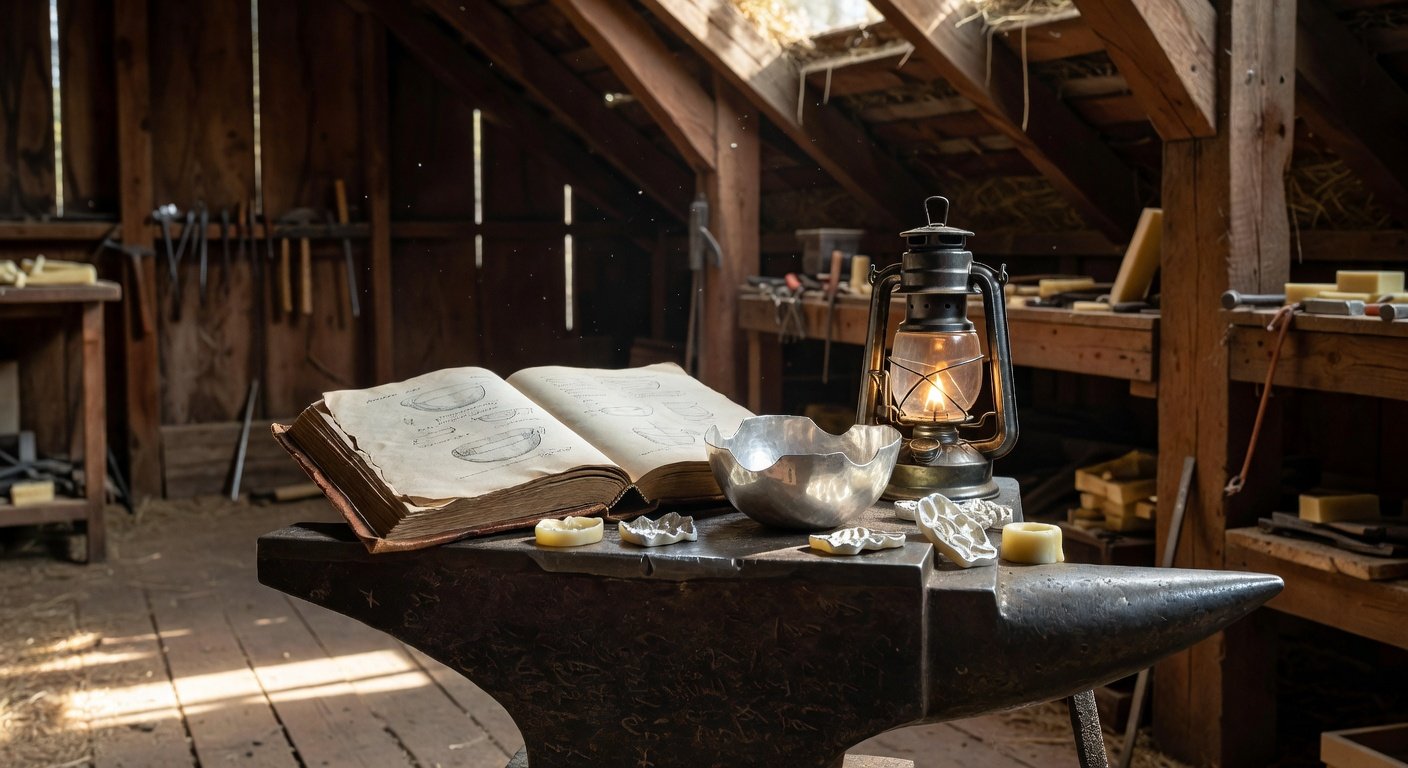
Silversmithing books serve as essential companions for those entering the world of metalworking, offering structured knowledge that complements hands-on workshops. In the folk school tradition of New England, where makers gather at places like Fletcher Farm in Vermont, these texts bridge theory and practice. They detail everything from basic soldering to intricate chasing, helping beginners build confidence without overwhelming them. Serious students find depth in historical contexts and advanced patterns, drawing from centuries-old techniques passed down through generations. Selecting the right silversmithing books ensures a solid foundation, preventing common pitfalls like improper annealing or uneven finishes. These resources also inspire creativity, encouraging personalization of traditional designs. Whether preparing for a workshop or refining skills at home, quality books transform abstract ideas into tangible silver pieces. Their illustrations and step-by-step instructions make complex processes accessible, fostering a lifelong appreciation for the craft’s precision and artistry. (128 words)
Essential Silversmithing Books for Beginners
For newcomers to silversmithing, starting with beginner-friendly books builds core skills safely and effectively. These volumes emphasize fundamental tools, safety protocols, and simple projects that yield quick results. In New England workshops, instructors often recommend texts that align with the region’s emphasis on sustainable, traditional methods using locally sourced silver. One standout is ‘Silversmithing for Beginners’ by Angela Bubash, which covers basic fabrication techniques with clear diagrams and minimal equipment needs. It guides readers through creating their first ring or pendant, stressing the importance of workspace organization. Another key read, ‘The Complete Metalsmith’ by Tim McCreight, introduces broader metalworking principles while focusing on silver specifics. Its approachable language demystifies terms like repoussé and filigree, making it ideal for self-taught makers. These silversmithing books encourage experimentation within safe boundaries, helping novices progress to more challenging forms. By integrating historical anecdotes from American silversmiths, they connect personal practice to a rich heritage, motivating sustained engagement. (142 words)
Beyond basics, these beginner silversmithing books address material selection and finishing touches, crucial for achieving professional luster. Bubash’s work includes troubleshooting sections for issues like fire scale, while McCreight explores alloy variations suited to New England climates. Practical exercises, such as forging simple spoons, reinforce learning through repetition. Readers appreciate the emphasis on affordable setups, aligning with folk school accessibility. As skills grow, these texts transition seamlessly into intermediate projects, like hollowware construction. Their durable bindings withstand workshop use, with glossy pages resisting silver shavings. Investing in such silversmithing books pays off through reduced material waste and faster mastery. Community forums often praise them for filling gaps left by short classes, providing year-round reference. Ultimately, they cultivate patience, a virtue in silversmithing where precision demands time. For those attending Vermont workshops, these reads prepare participants to contribute meaningfully from day one. (138 words)
Silversmithing for Beginners by Angela Bubash
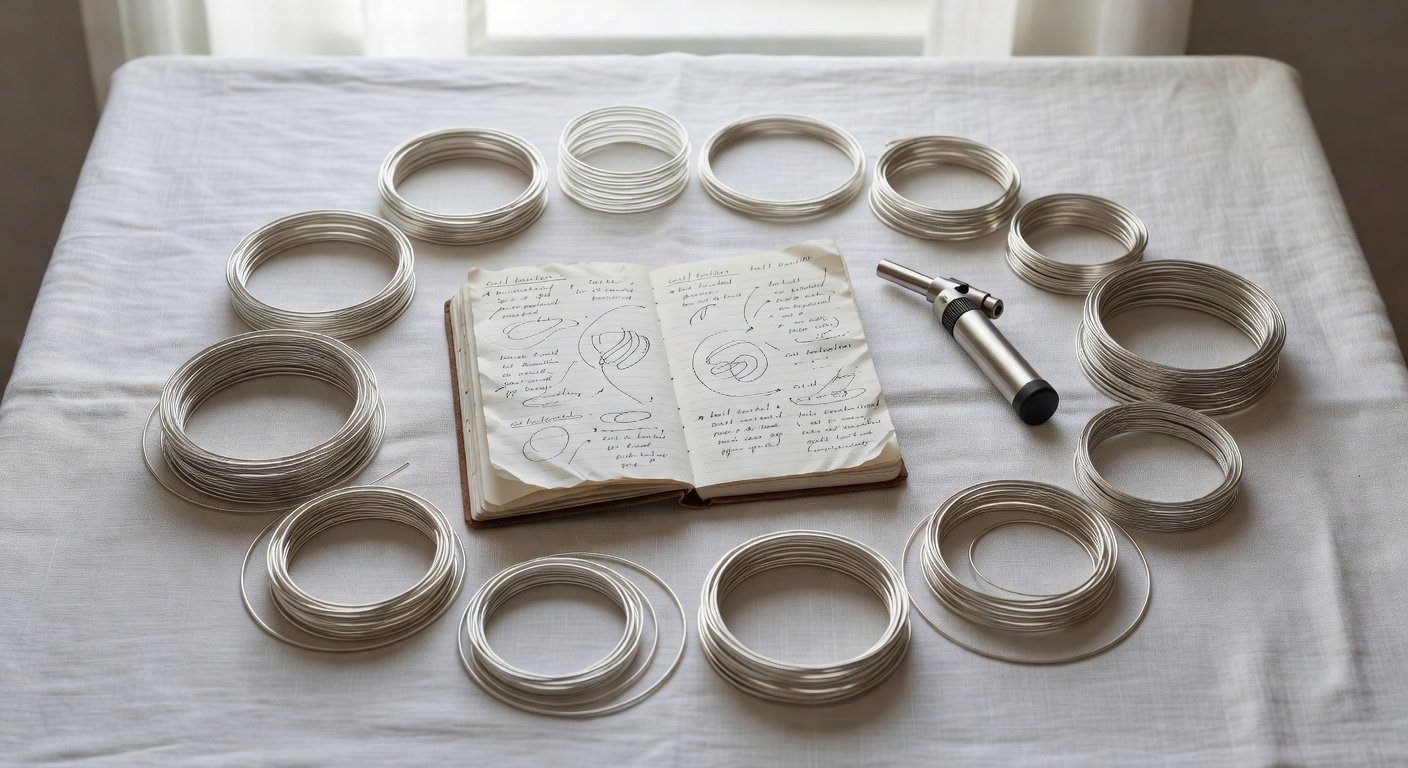
Angela Bubash’s ‘Silversmithing for Beginners’ stands out for its straightforward approach, tailored to absolute novices without prior metal experience. The book outlines a progressive curriculum, starting with wire bending and advancing to sheet metal forming. Detailed photographs capture each stage, from layout to polishing, ensuring visual learners grasp nuances like torch control. Bubash draws on her teaching at craft centers, incorporating tips for common bench setups in small spaces. Safety is paramount, with chapters on ventilation and protective gear suited to home studios. Projects like earrings and cuff bracelets build dexterity while teaching silver’s malleability. The text also covers sourcing ethical silver, resonating with New England’s eco-conscious makers. At around 200 pages, it’s concise yet comprehensive, avoiding fluff. Readers report completing initial pieces within weeks, gaining momentum for deeper study. This silversmithing book excels in fostering independence, empowering beginners to tackle workshops with poise. Its affordable price makes it a gateway to the craft’s rewards. (136 words)
The Complete Metalsmith by Tim McCreight
Tim McCreight’s ‘The Complete Metalsmith’ offers a holistic view of silversmithing within jewelry making, perfect for beginners seeking context. Spanning techniques from sawing to stone setting, it prioritizes silver’s unique properties like conductivity and patina development. McCreight’s illustrations blend technical accuracy with artistic flair, illustrating hammer strikes and solder flows vividly. The book includes resource lists for tools available at New England suppliers, enhancing practicality. Beginners appreciate the glossary and index for quick reference during projects. Ethical discussions on hallmarking add cultural depth, linking to historical silversmith guilds. With over 300 pages, it serves as a long-term companion, evolving with the maker’s progress. Exercises encourage sketching designs before fabrication, honing creativity alongside skills. This silversmithing book has influenced generations, often cited in Fletcher Farm syllabi. Its balanced coverage prevents overwhelm, guiding users toward polished outcomes. For serious starters, it’s an investment in enduring expertise. (132 words)
Advanced Silversmithing Books for Serious Students
Serious students of silversmithing benefit from advanced books that explore complex techniques and design innovation. These texts delve into restoration, large-scale work, and experimental alloys, building on foundational knowledge. In Vermont’s folk school environment, such reads prepare makers for intensive residencies, where collaboration refines intricate pieces. ‘Professional Goldsmithing’ by Alan Revere provides in-depth guidance on bench operations, from engraving to cloisonné in silver. Its precision-focused chapters address challenges like seam invisibility in vessels. Another essential, ‘The Art of the Silversmith’ by Elizabeth Jones, examines sculptural forms with case studies from master artisans. These silversmithing books integrate theory with practice, including formulas for custom fluxes. They emphasize documentation, vital for portfolio development in competitive craft scenes. Advanced learners value the troubleshooting for high-heat processes, ensuring flawless results. By studying historical precedents alongside modern adaptations, readers innovate within tradition. These resources elevate personal work to gallery-worthy standards, sustaining passion through mastery. (138 words)
For those deepening their practice, advanced silversmithing books like Revere’s highlight workflow efficiency, crucial for production runs. Jones’s volume inspires with narratives of New England commissions, connecting technique to community impact. Both include appendices on metallurgy, explaining silver’s response to heat treatments. Practical appendices list Vermont-specific retreats for application. Readers gain insights into scaling projects, from jewelry to hollowware, with emphasis on ergonomics to prevent fatigue. These texts foster critical thinking, questioning conventional joins for bolder aesthetics. With robust indexes, they facilitate targeted study during late-night sessions. Silversmithing enthusiasts praise their role in bridging amateur and professional realms. As skills advance, these books reveal silver’s versatility, from matte finishes to high polish. They also cover business aspects, like pricing custom work, rounding out the artisan’s toolkit. In folk school traditions, such knowledge ensures contributions to collective wisdom. (124 words)
Professional Goldsmithing by Alan Revere
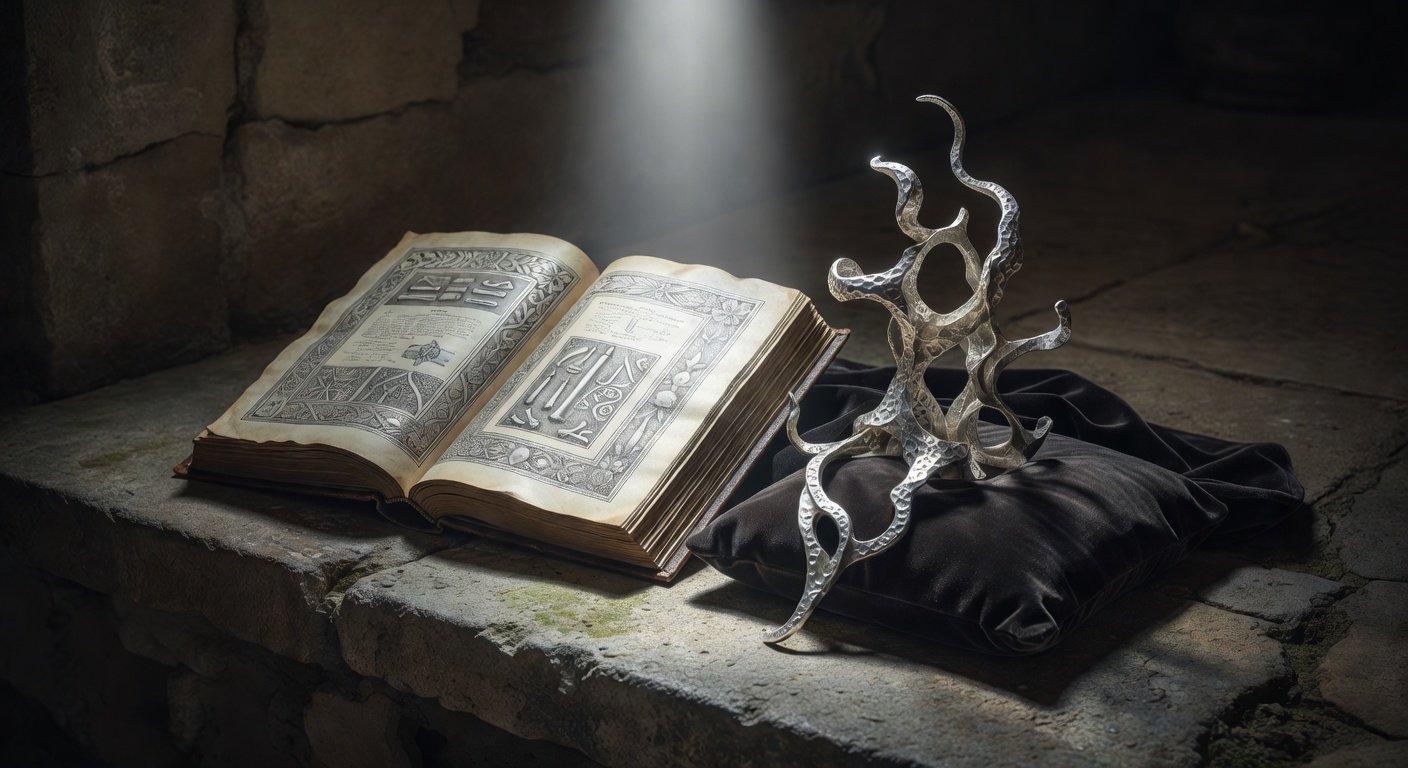
Alan Revere’s ‘Professional Goldsmithing’ targets serious students ready for bench-level proficiency in silversmithing. The book dissects advanced soldering, including hard joins for structural integrity, with sequential photos of torch positioning. Revere shares insights from his San Francisco studio, adaptable to New England humidity variations. Chapters on chasing and repoussé detail punch sets and pitch bowls, essential for textured surfaces. It addresses alloying silver with copper for durability in functional objects like teapots. Troubleshooting sections cover porosity and cracking, drawing from real workshop failures. At 400 pages, it’s a reference staple, with glossaries for specialized terms. Serious makers use it to refine prototypes, iterating designs for symmetry. The emphasis on quality control aligns with folk school standards, preparing for critiques. This silversmithing book also explores marketing, helping students transition to commissions. Its comprehensive nature makes it indispensable for lifelong practitioners seeking excellence. (128 words)
The Art of the Silversmith by Elizabeth Jones
Elizabeth Jones’s ‘The Art of the Silversmith’ captivates serious students with its blend of artistry and technique in silver fabrication. Focusing on sculptural and narrative pieces, it guides through modeling in wax before casting, ideal for conceptual work. Jones incorporates Vermont-inspired motifs, like maple leaves in relief, tying to regional identity. Detailed sections on patination create depth in silver surfaces, using chemicals safely. The book features artist interviews, revealing inspirations behind monumental installations. For advanced learners, exercises in forging hollow forms build stamina and precision. Its 250 pages balance visuals with text, including scale drawings for replication. This silversmithing book encourages hybridization, merging silver with wood or stone for mixed-media. Readers apply concepts in workshops, earning praise for innovative outputs. It underscores conservation, promoting recycled silver sources. As a bridge to professional exhibits, it equips makers with the vision to stand out in craft communities. (126 words)
Technique References and Workshop Preparation Reads
Technique reference silversmithing books and workshop prep volumes round out a serious collection, focusing on specialized skills and logistical planning. These aid in preparing for immersive New England sessions, ensuring efficient use of time and materials. ‘Silversmithing’ by Rupert and Phyllis Finegold offers encyclopedic coverage of raising and planishing, with templates for domes and cylinders. It’s a go-to for troubleshooting fabrication errors mid-project. For prep, ‘The Workshop Book’ by Scott Landis, while broader, includes silver-specific benches and lighting setups suited to folk schools. These silversmithing books stress organization, from tool sharpening to inventory tracking. Historical overviews contextualize techniques, like Paul Revere’s methods, inspiring authenticity. Advanced sections cover electroplating and etching for unique finishes. Readers integrate them into routines, enhancing productivity. With durable formats, they endure bench wear. Such resources transform workshops into productive havens, yielding heirloom-quality silver. They also guide material budgeting, vital for sustainable practice. (132 words)
Frequently Asked Questions
What are the best silversmithing books for absolute beginners?
For absolute beginners, start with ‘Silversmithing for Beginners’ by Angela Bubash and ‘The Complete Metalsmith’ by Tim McCreight. These provide clear instructions on basic tools, safety, and simple projects like rings, building confidence without prior experience. They align with New England workshop styles, emphasizing hands-on progression. (52 words)
How do silversmithing books help prepare for workshops?
Silversmithing books like ‘Professional Goldsmithing’ by Alan Revere prepare for workshops by detailing bench setups, material handling, and technique sequences. They include tips on Vermont-specific resources, helping you arrive ready to focus on creation rather than basics, maximizing learning in folk school environments. (58 words)
Are there advanced silversmithing books with historical context?
Yes, ‘The Art of the Silversmith’ by Elizabeth Jones offers advanced techniques with historical narratives from American traditions. It explores sculptural forms and regional motifs, connecting modern practice to past masters like those in New England, enriching your understanding beyond mechanics. (54 words)
What silversmithing books cover tool maintenance?
Books such as ‘Silversmithing’ by the Finegolds include sections on tool sharpening, annealing forks, and storage to prevent corrosion. These references ensure longevity of equipment, crucial for sustained practice in home or workshop settings, saving costs over time. (50 words)
Ready to Start Your Silversmithing Journey?
Equip yourself with these recommended silversmithing books and join a Vermont workshop at Fletcher Farm to apply your knowledge hands-on. Contact us for upcoming sessions tailored to traditional craft skills.