What Is Basketry Willow?
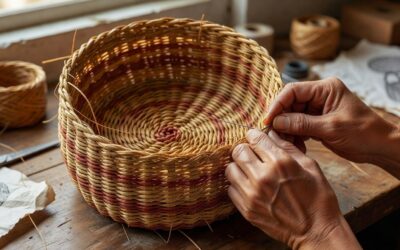
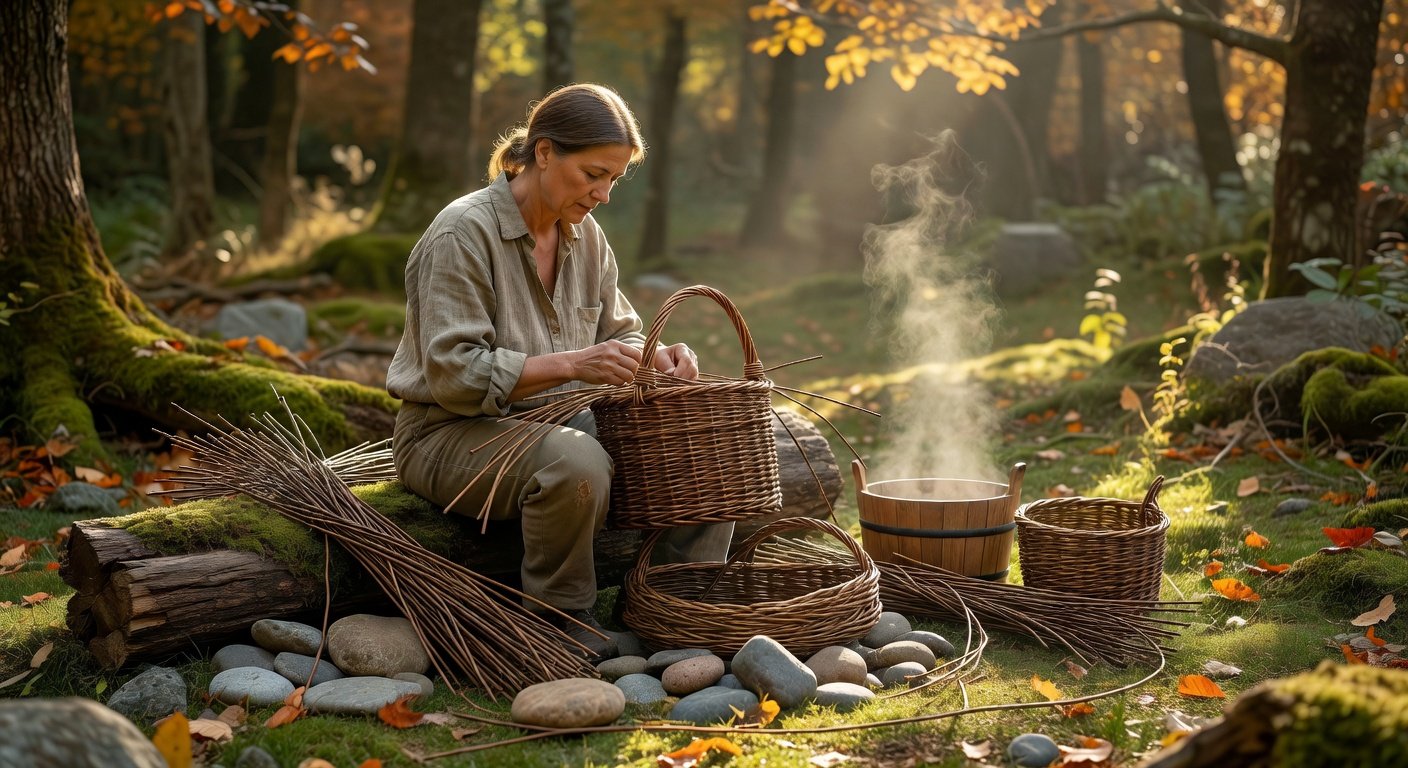
Basketry willow refers to the ancient art of weaving flexible branches from willow trees into durable, functional baskets. This craft traces its roots to indigenous communities and European settlers, particularly thriving in regions like New England where willow grows abundantly along riverbanks. Unlike modern synthetic materials, basketry willow uses natural osiers—long, supple shoots harvested in winter for optimal pliability. Artisans soak these rods to soften them before weaving, creating items from simple market baskets to intricate decorative pieces. The process demands patience and precision, as each weave interlocks to form strong structures without nails or glue. In folk school traditions, such as those at Fletcher Farm in Vermont, students learn under expert guidance, emphasizing sustainable harvesting to preserve local ecosystems. This hands-on approach fosters a deep connection to natural rhythms, making basketry willow a meditative yet practical skill for adult makers seeking meaningful craftsmanship. (128 words)
Why Basketry Willow Differs from Other Weaving Methods
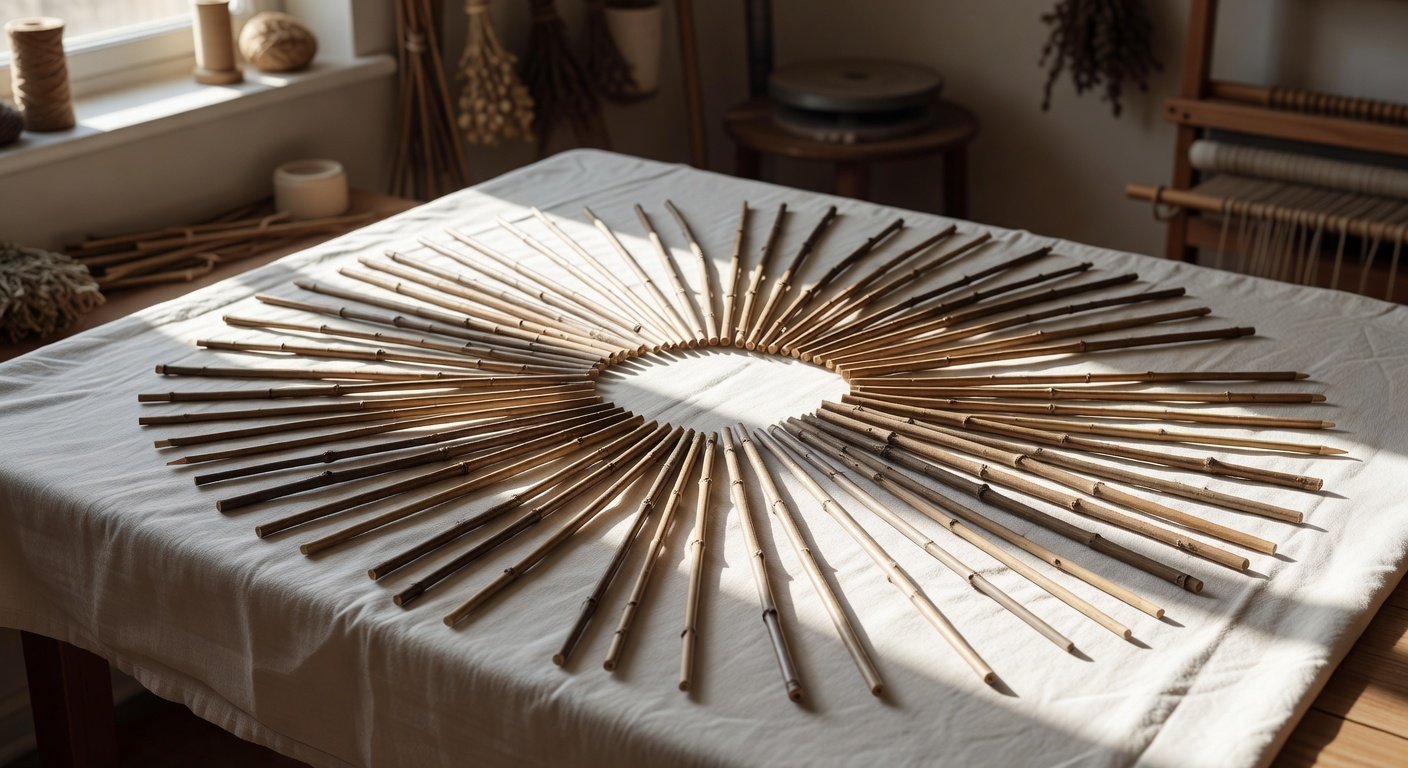
Basketry willow sets itself apart through its material’s unique properties, offering greater flexibility and a living, organic aesthetic compared to rigid alternatives like reed or splint. Willow rods bend without cracking, allowing for fluid, sculptural forms that reed’s stiffer fibers can’t achieve, resulting in lighter, more ergonomic baskets ideal for everyday use. Harvested fresh, willow retains moisture that enhances weave tension, creating tighter, more resilient products than the drier, coarser textures of pine needle or cane basketry. In New England workshops, instructors highlight how willow’s seasonal growth cycle influences design—winter-cut rods yield finer weaves for detailed patterns, while summer ones suit coarser utility items. This adaptability contrasts with the uniformity of commercial rattan, promoting eco-conscious practices like coppicing willow groves for renewal. For serious makers, these distinctions elevate basketry willow into a versatile tradition that blends functionality with artistic expression, distinct from the more linear techniques of splint or twined styles. (142 words)
The cultural context further differentiates basketry willow, rooted in folk traditions where community gatherings in places like Vermont’s craft centers pass down techniques orally. Unlike the solitary precision of quillwork or the bold geometry of coiled pine, willow weaving encourages improvisational curves that mimic nature’s forms, such as river bends or tree branches. This fluidity demands a tactile intuition honed through practice, differing from the measured symmetry in ash splint basketry. Moreover, willow’s natural dyes from bark infusions provide subtle earth tones unavailable in synthetic weaves, enhancing aesthetic depth. Participants in hands-on classes discover how these elements foster sustainability, as local sourcing reduces carbon footprints compared to imported materials in global reed crafts. Ultimately, basketry willow invites makers to engage with their environment actively, transforming raw wetland bounty into heirloom-quality pieces that embody regional heritage. (132 words)
Material Comparisons in Basketry Willow
In basketry willow, the core material—Salix species like black willow or basket willow—provides unparalleled suppleness, bending into tight radii without splintering, unlike the brittle tendencies of bamboo or the bulkiness of cornhusk. Willow’s tapered ends facilitate seamless joins, enabling complex randing patterns that reed’s uniform thickness complicates. Soaking willow for 24-48 hours activates natural oils, preventing rot and adding a subtle sheen absent in untreated grasses. New England harvesters select straight, unbranched rods from managed copses, ensuring ethical yields that support biodiversity, contrasting the industrial farming of rattan. This hands-on sourcing teaches makers about plant anatomy, from pithy cores to bark layers, influencing weave durability. For folk school enthusiasts, these material nuances mean baskets that age gracefully, developing patina over time, far surpassing the fade-prone finishes of synthetic alternatives. (128 words)
Technique Variations Unique to Basketry Willow
Techniques in basketry willow emphasize pairing and staking, where rods are paired in pairs to form the base, allowing for expansive, rounded shapes impractical in flat-woven reed methods. The ‘ups and downs’ of willow weaving create rhythmic tension, building walls that flare outward naturally, unlike the vertical rigidity of twill in splint traditions. Instructors at Vermont workshops demonstrate skeining, where multiple rods weave simultaneously for speed and strength, a method less viable with coarser fibers. Willow’s elasticity supports experimental forms like lidded trinket boxes or boat-shaped carriers, adapting to user needs in ways cane’s stiffness limits. These approaches prioritize flow over force, reducing hand strain during long sessions and encouraging creative liberty. Serious adult learners appreciate how such variations preserve folk lineages while inviting personal innovation, making basketry willow a dynamic pursuit. (124 words)
Essential Materials for Starting Basketry Willow
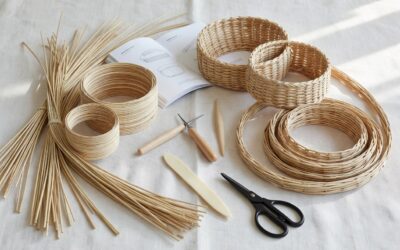
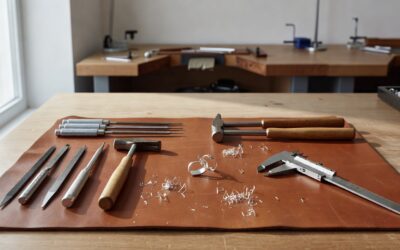
To begin basketry willow, gather quality osiers from reputable sources like Etsy sellers specializing in New England-harvested bundles or Amazon kits with pre-cut rods in various gauges. Essential tools include a sharp pruning knife for trimming ends, a bodkin for piercing tight weaves, and secateurs for precise cuts—avoid dull blades that crush fibers. A large basin for soaking, old towels for drying, and clothespins for securing wet rods complete the setup. Opt for natural willow varieties: black for dark tones, golden for lighter weaves, ensuring untreated rods free of chemicals. In folk school settings, students source from local wetlands under guidance, learning to identify one-year growth for flexibility. Budget kits start at $20-50, including instructions, but investing in a willow starter set with diverse thicknesses builds versatility. These materials emphasize simplicity, aligning with traditional craftsmanship that values quality over quantity for lasting results. (138 words)
Preparing Willow Rods for Basketry Weaving
Preparation is key in basketry willow, starting with bundling rods and submerging them in lukewarm water for several hours to restore pliability lost during drying. Remove bark if desired using a drawknife for smoother finishes, though many prefer the textured grip it provides. Sort by diameter—fine for detailed work, thicker for bases—then boil briefly to kill pests without over-softening. In New England craft circles, this step includes natural straightening over a form, preventing kinks during weaving. Dry partially before use to maintain tension, testing flexibility by bending into a U-shape. Sustainable practices involve harvesting only from renewable copses, rotating cuts to promote regrowth. Beginners in hands-on workshops master these rituals, understanding how moisture levels affect weave tightness and final shape. Proper prep ensures rods cooperate, turning potential frustration into fluid creation and yielding professional-grade baskets from the outset. (130 words)
Step-by-Step Guide to Your First Basketry Willow Project
Start your basketry willow journey with a simple round base: select five thick rods, soak thoroughly, and insert them into a central hole formed by crossing two others, fanning outward like spokes. Weave a starter weaver—two finer rods—over and under the uprights, rotating clockwise to build evenly. As the base grows to six inches, insert additional uprights between every second spoke for support, then turn up all to form walls. Employ randing: pass weavers singly over two, under two, maintaining even pressure to avoid puckering. For height, incorporate borders like a three-rod start, twisting ends securely. Rim with thicker willow, tucking ends invisibly. This basic trinket basket, common in Vermont folk schools, takes 4-6 hours for novices. Practice on scrap rods first, focusing on consistent tension. Completing it builds confidence, revealing basketry willow’s rewarding progression from chaos to cohesive form. (132 words)
Advance by adding handles: after walls reach desired height, leave gaps in the uprights, inserting curved rods soaked supple for ergonomic grips. Weave across to secure, using a pricking iron for clean entries. Vary patterns with diagonal pairings for visual interest, ensuring symmetry through frequent checks. In class settings, feedback refines these steps, highlighting how willow’s forgiveness allows corrections mid-weave. Finish by trimming excess flush and applying linseed oil for protection against moisture. This project showcases basketry willow’s accessibility, requiring no prior skills beyond basic dexterity. Makers often expand to lidded versions, incorporating stakes for stability. Document your process in a journal, noting rod responses to refine future attempts. Such guided starts in traditional environments demystify the craft, empowering adults to produce functional art that honors New England’s weaving legacy. (118 words)
Building the Base in Basketry Willow
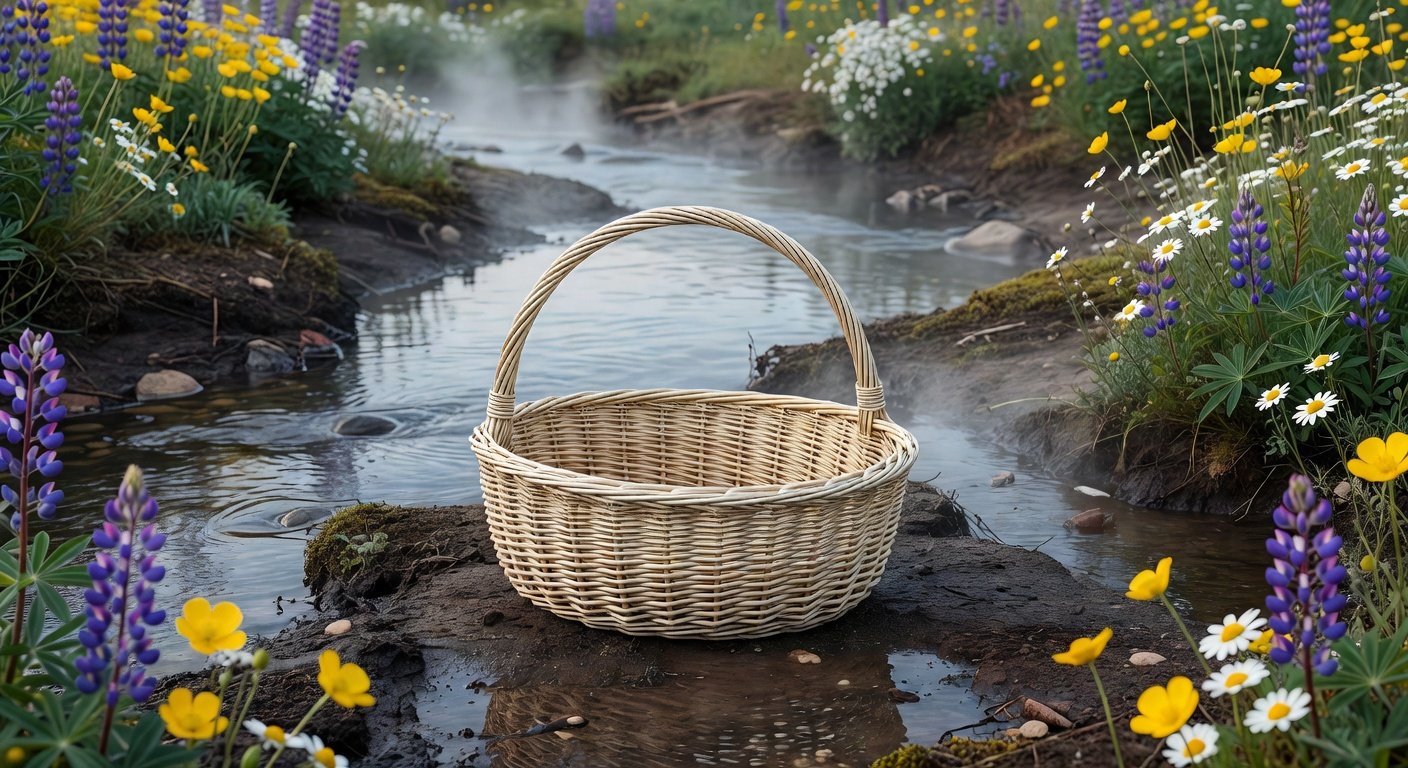
The base forms the foundation in basketry willow, demanding careful stake placement for balance. Begin with a cross of two rods, adding three more at 72-degree intervals, securing with initial weaves to prevent shifting. Use medium-gauge willow here for stability, weaving tightly to create a solid platform that supports heavier loads. As rounds progress, monitor for warping by working on a flat surface, adjusting tension evenly. Folk school techniques include marking stakes with tape for even spacing, ensuring the base flares slightly for aesthetic appeal. This stage, though methodical, sets the tone for the entire piece—flawed bases lead to uneven walls. Beginners benefit from visual aids in workshops, practicing multiple bases to internalize the rhythm. Mastering this yields a confident start, transforming raw materials into structured beginnings that promise sturdy, beautiful completions. (124 words)
Tips for Success and Avoiding Pitfalls in Basketry Willow
Success in basketry willow hinges on consistent moisture management—keep rods damp with a spray bottle during long sessions to prevent cracking, but avoid sogginess that loosens weaves. Work in a well-lit space to spot asymmetries early, using a mirror for all-angle views. Common pitfalls include over-tightening, which distorts shapes; counter by weaving loosely at first, then firming as it dries. Select rods of similar quality to avoid weak points, and always have extras for mishaps. In New England classes, pros advise starting small to build endurance, gradually scaling to larger forms. Incorporate breaks to maintain focus, as fatigue leads to sloppy joins. For finishing, sand rough edges gently, preserving natural texture. These strategies, drawn from traditional teachings, minimize frustration and maximize enjoyment, turning potential errors into learning opportunities for refined craftsmanship. (128 words)
Finding Basketry Willow Workshops in New England
New England abounds with opportunities to learn basketry willow through immersive folk schools like Fletcher Farm in Vermont, offering weekend intensives with master weavers. These programs provide all materials, focusing on traditional harvesting and techniques in serene, rural settings. Nearby, the League of NH Craftsmen hosts seasonal classes emphasizing sustainable practices, ideal for adults deepening their skills. Online directories from the Northeast Basket Weavers Association list local guilds for ongoing support. Enrolling connects you with a community sharing tips on sourcing willow from ethical suppliers. Such hands-on education surpasses self-study, offering critique and inspiration amid like-minded makers. Whether a one-day intro or multi-session course, these venues preserve the craft’s heritage, equipping you with tools for home practice. Exploring them enriches your journey, blending skill-building with cultural immersion. (122 words)
Frequently Asked Questions
What makes willow suitable for basketry?
Willow’s long, flexible rods from species like Salix viminalis bend easily without breaking, ideal for intricate weaves. Harvested young, they retain moisture for strong tension, differing from rigid materials. In New England traditions, sustainable coppicing ensures renewable supplies, supporting durable, lightweight baskets that age well.
How do I source materials for basketry willow?
Purchase bundles from Etsy artisans or Amazon kits featuring New England-grown osiers. For authenticity, visit local willow farms or join harvesting workshops at folk schools. Start with mixed-gauge sets for versatility, ensuring untreated rods for natural weaving.
What’s the difference between willow and reed basketry?
Willow offers superior flexibility for curved forms, while reed provides stiffer, uniform structures. Willow’s organic taper allows seamless joins, creating lighter pieces; reed suits geometric patterns. Folk traditions favor willow for its eco-link to local wetlands.
Can beginners learn basketry willow at home?
Yes, with starter kits and online tutorials, but hands-on folk school classes accelerate progress. Begin with simple bases, practicing tension control. Community guilds offer guidance, bridging self-study with expert insights for confident results.
Ready to Weave Your First Basket?
Join a New England folk school workshop or gather your willow supplies today to experience the tactile joy of this timeless craft. Start small, and soon you’ll create pieces that reflect your growing expertise.